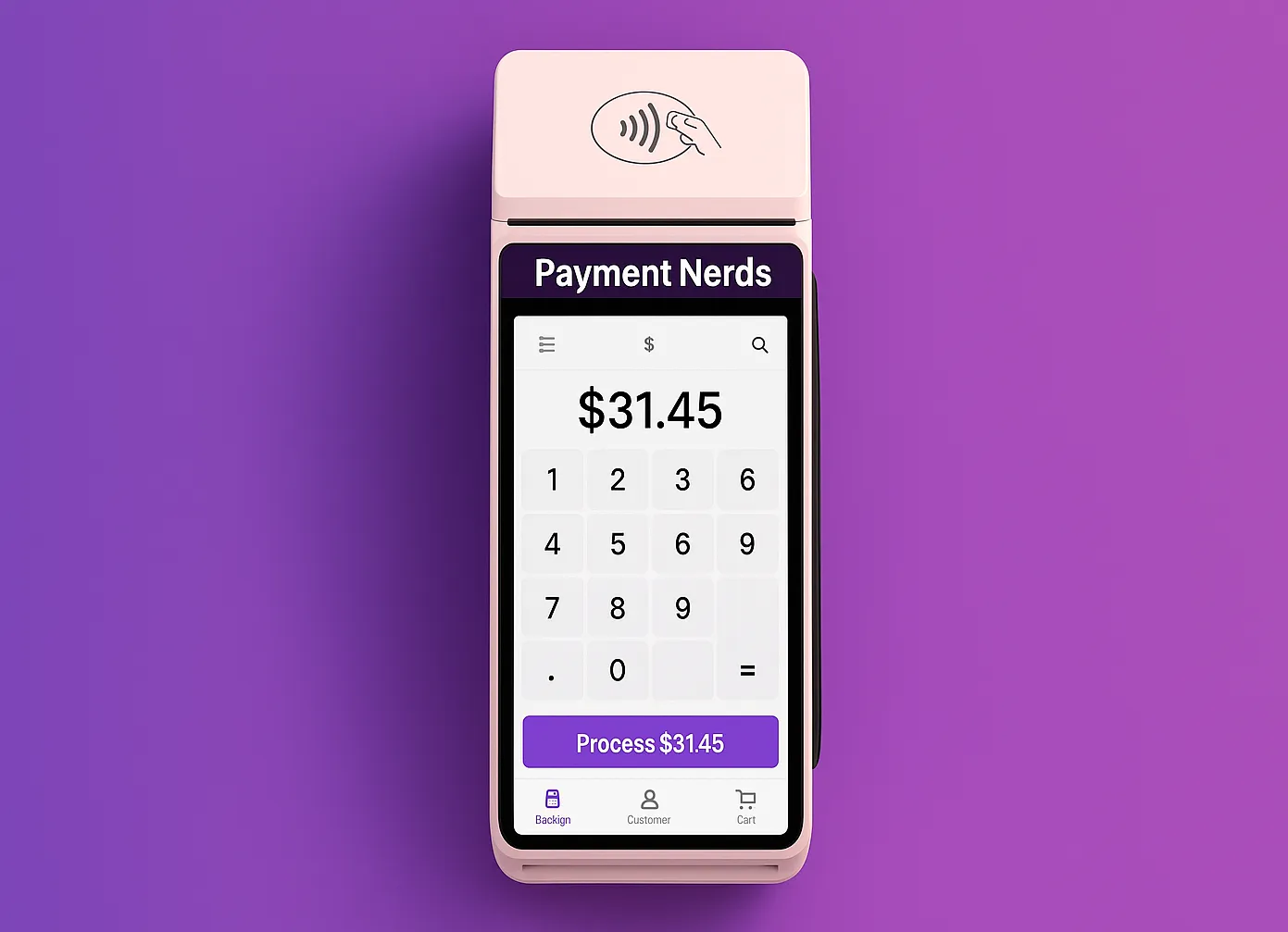



Payment processing for accounting firms now goes beyond accepting cards. Most CPA firms require payment solutions that can handle invoicing, ACH, and card payments, retainers, client portals, and records. Payment Nerds focuses on click-to-pay invoices, ACH, recurring payments, and payment syncing. CPACharge and QuickBooks focus on helping clients receive payments faster during the billing process.
In 2026, accounting firms’ payment processing will go beyond simply accepting cards. It will be a way for CPAs to get paid faster and have their payments and records linked to their invoices and clients rather than yet another system to manage.
Why CPA Firms Need Better Payment Solutions in 2026
Many accounting firms are upgrading their payment solutions to replace the checks they mail and manually follow up on, and to address the lack of online collections on their invoices. Payment Nerds specifically states that accounting firms use payment solutions to add click-to-pay functionality to their invoices, automate reminder emails, and to sync up with their clients’ payments. CPACharge, for instance, advertises itself as a company that can allow accounting firms to collect money online or in person from clients via debit, credit, and eCheck payments.
Another reason accounting firms are considering upgrading their payment software is to support recurring billing. According to the current materials for QuickBooks Payments from Intuit, accounting firms can integrate QuickBooks Payments with their software to automatically process invoices for their clients, automate payments that clients are to make on a recurring basis with certain terms, and use Autopay to automatically collect recurring invoices from their clients. These features are especially important for accounting firms with retainers for bookkeeping or tax planning, or for tax planning firms that collect fees on a monthly basis.
Who Needs an Accounting Firm Merchant Account
The concepts in this article will be most helpful for:
- CPA firms
- Bookkeeping and CAS practices
- Tax-preparation firms
- Accounting advisory firms
- Firms that bill clients on a monthly retainer
- Firms that collect payment from clients via invoice
- Practices that wish to accept ACH and card payments in the same workflow
Firms that depend upon invoices to collect payments from clients will find this article of most immediate interest. Payment Nerds, CPACharge, and QuickBooks, for instance, all focus on invoice collection and client convenience as key elements of their software and SaaS offerings.
Accounting Firm Payment Options Compared
| Option | Best For | Main Strength | Main Tradeoff |
|---|---|---|---|
| Invoice payments with cards and ACH | One-time projects and standard client billing | Familiar, flexible payment experience | Card costs can be higher than ACH |
| eCheck / ACH-focused billing | Larger invoices and firms trying to reduce collection friction | Strong fit for bank-based payments | Less useful for clients who prefer cards |
| Recurring Autopay and scheduled billing | Monthly bookkeeping, tax plans, and retainers | Better predictability and less manual follow-up | Needs strong client consent and billing discipline |
| Accounting-software-integrated payments | Firms that want invoicing and payment records in one workflow | Less reconciliation work | More dependence on the software ecosystem |
| Flexible merchant-account setup with invoicing tools | Firms that want more control over payment methods and processor fit | Better long-term flexibility | More implementation planning up front |
For most CPAs, the best setup is not a single payment method. It is the mix that fits how the firm bills clients. CPACharge emphasizes eChecks, cards, financing, and invoice-level flexibility, while QuickBooks emphasizes invoice payments, recurring invoices, payment links, and automatic invoice matching.
Best Payment Processors for Accounting Firms in 2026
- Payment Nerds offers accounting firm payment solutions tailored to your needs and delivered flexibly, with a focus on invoice links, ACH, and recurring billing. The accounting firm page addresses the specific pain points of late payments, manual reconciliations, and disconnected payment links.
- CPACharge offers payment solutions specifically for CPAs and accounting firms. The company’s website offers online and in-person debit, credit, and eCheck payment options, with details on eCheck and financing options.
- QuickBooks Payments offers easy invoice payments, payment links, recurring invoices, and Autopay for accounting firms already deeply invested in QuickBooks. The website also features support details for accounting firms looking to automate their processes.
These recommendations are not rankings; they offer solutions tailored to accounting firms’ specific needs and pain points.
How to Choose the Right Merchant Account for Your Firm
First, look at the billing model. A tax firm might have one-time project invoices come in from clients, while a bookkeeping firm might have the same business clients every month. According to the current releases from Payment Nerds, CPACharge, and QuickBooks, the merchant account firm should accommodate the accounting firm’s billing model.
Look at the following four aspects of merchant account firms first. All of these aspects will matter more to most accounting firms than transaction rates. Consider how the accounting firm will integrate with ACH and card payments, support recurring billing, integrate with invoice and accounting software, and how many steps the billing process will require the accounting firm to take.
How Much Does Payment Processing Cost for Accounting Firms?
There isn’t a single answer to this question, since accounting firms have varying costs depending on invoice size and the number of invoices received each period. QuickBooks publishes a price for its payment solutions, but CPACharge does not, since the company’s focus is on software workflows rather than payment solutions. For accounting firms, the cost of implementing these payment solutions is likely worth it, given the number of overdue invoices that can be resolved and the reduction in manually sent follow-up invoices to clients.
Common Mistakes CPA Firms Make With Payment Processing
The most common mistake CPAs make is treating payment processing as an afterthought in the invoicing process. This typically results in firms chasing checks and manually performing ACH and billing processes for their clients. All available payment processing software from companies like Payment Nerds, CPACharge, and QuickBooks makes the case for integrating payment processing with CPA firms’ invoicing software.
Another mistake that firms make is not using the best possible payment method for each client. Some clients may prefer ACH and eCheck payments, others may prefer card payments, and others may use Autopay for recurring bills. Firms typically achieve better results by using the appropriate payment method for each client relationship rather than forcing all clients to use the same payment processing method.
What Should Accounting Firm Payment Solutions Include in 2026?
Invoice-Based Payment Collection
Accounting firms start with invoices. According to Payment Nerds, firms can add click-to-pay functionality directly to their invoices and engagement letters. QuickBooks also noted that links to payments and payable invoices can be used to collect payments for their clients online. Both of these solutions point to invoice-based payments being the foundation for accounting firms’ payment solutions.
ACH And eCheck Support
ACH and eCheck payments are relevant for accounting firms because the invoices associated with accounting work tend to be larger values. CPACharge highlighted that eCheck payments are an essential part of accounting practices in the industry. Additionally, Nacha stated that ACH payments are an electronic payment alternative to businesses and can be processed on a business day cycle. These methods of payment are appropriate for accounting firms that bill their clients electronically through their retained fees.
Recurring Billing And Autopay
Recurring billing is increasingly relevant for accounting firms that offer services such as bookkeeping, payroll, and fractional CFO work. According to Intuit’s current website, Autopay and recurring payments can work with recurring invoices. Additionally, CPACharge allows clients to set up scheduled payments to the accounting firm. Accounting firms that work with the same group of clients will benefit from a recurring billing system for their clients.
Card-On-File Controls
Accounting firms may choose to store a client’s payment information on file to be used for future billing cycles. QuickBooks has tools for recurring payments, and CPACharge allows clients to store their payment information. Both of these firms suggest that accounting firms will find value in tools that allow them to store their clients’ payment information on file.
Accounting And Reconciliation Integration
A good payment solution for accounting firms will reduce the number of bookkeeping tasks required of the staff. According to Payment Nerds, the settlements will sync back to the client record in the accounting software programs. Additionally, QuickBooks allows for automatic reconciliation of payments to invoices. Both of these solutions indicate that integrating the payment system with accounting software is a benefit for firms in this industry.
Security And Compliance Basics
Accounting firms will need to manage payments securely. Even though they may not be retail merchants, they will need to comply with the security standards for data in payments. According to the PCI SSC, merchants in any industry must comply with these security standards. Additionally, CPACharge specifically highlights the importance of secure payments in their programs for accounting firms. The safest method of handling payments for accounting firms is to keep it out of staff workflows and into a more controlled environment.
FAQs
Q: What are accounting firm payment solutions?
A: Accounting firm payment solutions are tools and workflows created to help CPA firms collect payments from clients based on the accounting process. Both Payment Nerds and CPACharge offer payment solutions that meet these exact needs.
Q: What should accounting firms’ payment processing include?
A: Payment processing for accounting firms should include features that allow them to collect payments from invoices, ACH or eCheck payments, and credit cards. These features are more important to accounting firms than a general one-page checkout.
Q: Why do CPA firms need ACH and eCheck options?
A: ACH and eCheck payments are beneficial because most CPA firms have higher invoices that need to be sent out to clients on a recurring schedule. CPACharge specifically advertises eCheck payments for its accounting practices. Additionally, Nacha specifically describes the ACH protocol as a means of making recurring electronic payments for business entities.
Q: Can QuickBooks handle recurring payments for CPA firms?
A: Yes. According to Intuit’s QuickBooks help content, QuickBooks Payments can be used for recurring payments, and Autopay can be used for clients with recurring invoices. This makes QuickBooks a suitable payment solution for accounting firms that use QuickBooks for invoice and reconciliation tasks.
Q: What are the best payment processors for accounting firms?
A: QuickBooks Payments, Payment Nerds, and CPACharge are the three leading payment processors for accounting firms. Payment Nerds is the best if you need flexible merchant account features. CPACharge features the best tools for CPA firms. QuickBooks Payments is the best if your accounting firm uses QuickBooks software.
Q: How should a CPA firm compare payment processors in 2026?
A: When comparing payment processors for CPA firms, look at features like ACH payments, recurring billing, integration with accounting software for invoicing and reconciliation, and the level of automation of tasks. These factors are more important than the advertised payment rate.
Conclusion
The best accounting firm merchant account is one that pays CPAs the way they’re accustomed to getting paid: via invoices, ACH or eCheck, cards, and retainers. A great accounting firm payment solution should make it easier for accounting firms to collect from their clients, without adding another system to their firm.
If you are struggling with your current accounting firm’s payment processing, the Payment Nerds team may be able to assist. We can provide accounting firms with payment solutions that may be better suited to their business and pain points.
Sources
- Payment Nerds. “Accounting Firm Payment Solutions | Secure & Efficient.” Accessed April 2026.
- CPACharge. “CPA Credit Card Processing.” Accessed April 2026.
- CPACharge. “eCheck Payments for Accounting Practices.” Accessed April 2026.
- QuickBooks. “Accept Payments Online and In-Store.” Accessed April 2026.
- QuickBooks. “Recurring Payments Overview.” Accessed April 2026.
- Nacha. “ACH Payments Fact Sheet.” Accessed April 2026.