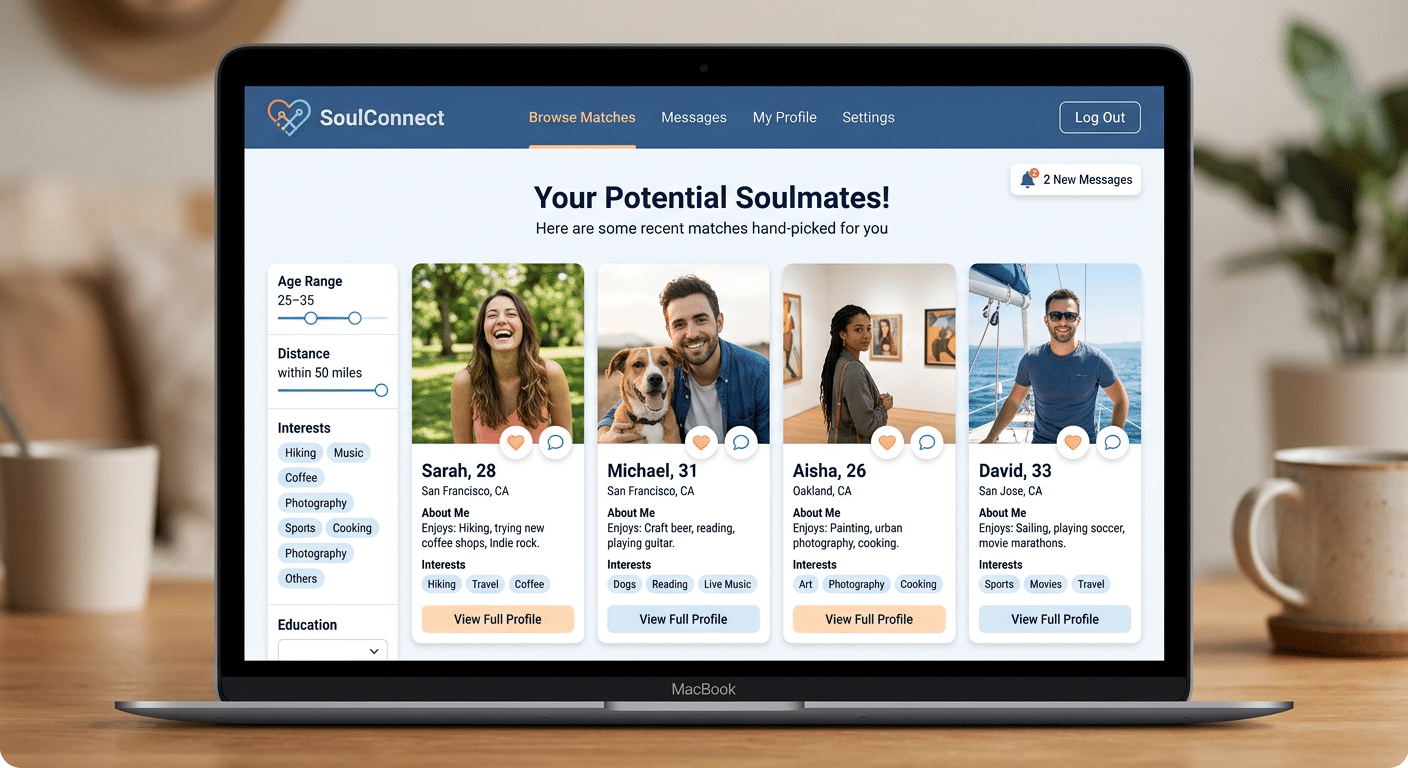


Subscription businesses depend upon payments to survive. Customers may enroll with a business once, but are subsequently billed each month for the products, services, or memberships that they subscribed to. Revenue is generated from these subscriptions when the payments are successful, but the business loses revenue and customers if the payments fail.
For these reasons, subscription merchants require more than standard merchant accounts. The accounts must support subscription billing, tokenization, card updater tools, chargeback prevention, and risk monitoring for subscription businesses (VAMP).
Why Continuity Subscription Businesses Need High-Risk Payment Processing Solutions
Subscription businesses are often treated as high risk because of the way in which customers can forget about having signed up for a product or service, or for various other reasons, like the inability to understand the terms of the subscription, the terms of the cancellation policy, or disputing the subscription charges directly with their bank.
Another contributing factor to the risk for subscription businesses is the volume of failed payments. Stripe reported that its recovery solutions allowed businesses to recover over $6.5 billion in 2024 alone. For subscription businesses, subscription payment processing is not optional; it is essential to the functioning of the entire business.
Finally, there’s the added factor of VAMP. VAMP is Visa’s newer program that combines the previous programs dedicated to fraud and chargebacks (disputes). The VAMP ratio is used to determine the rate of both fraud and non-fraud disputes relative to the total number of transactions that settled Visa’s cards. For subscription merchants, these two factors are critical to monitor because they can have a significant impact on the business.
Who Should Use a Continuity Subscription Merchant Account
This guide is most useful for:
- subscription box businesses
- nutraceutical and supplement subscriptions
- membership sites
- digital content and course platforms
- coaching and consulting programs
- SaaS and software subscriptions
- health, wellness and fitness programs
- online dating, gaming and adult-content memberships
- continuity billing brands using trials or introductory offers
- businesses with recurring chargebacks, reserves, or processor reviews
The more your business depends on automatic rebilling, trials, saved cards, online enrollment, affiliate traffic, or high-risk product categories, the more important merchant-account fit becomes. A processor that works for basic ecommerce may not be comfortable with continuous billing once disputes, refunds, or VAMP pressure begin to surface.
Continuity Subscription Payment Processing Solutions Compared
Continuity merchants usually need more than one payment tool. The right setup depends on the product category, recurring billing model, refund policy, chargeback exposure and whether the business needs high-risk underwriting.
| Option | Best For | Main Strength | Main Tradeoff |
|---|---|---|---|
| High-Risk Continuity Subscription Merchant Account | Subscription businesses with elevated chargeback, product, or category risk | Better underwriting fit and account stability | More documentation and custom pricing |
| Recurring Billing Gateway | Merchants that need subscription schedules and stored credentials | Automates rebills, renewals and card-on-file payments | Still requires the right acquiring relationship |
| Subscription Platform + Merchant Account | Memberships, boxes, SaaS and digital content | Better customer lifecycle and plan management | May need more integration work |
| ACH or eCheck Recurring Payments | Larger monthly payments or bank-preferred customers | Lower-cost bank payment option | Requires authorization and return monitoring |
| Backup or Multi-MID Strategy | Higher-volume continuity brands | Adds resilience if one account is reviewed | Requires careful routing and compliance oversight |
| All-In-One Mainstream Processor | Lower-risk subscriptions with simple billing | Fast setup and familiar tools | Often weak fit for high-risk continuity categories |
For most high-risk subscription merchants, the safest setup is one that combines recurring billing tools with a processor that understands the category. The gateway can automate payments, but the merchant account determines whether the account stays supported.
Best Continuity Subscription Merchant Account Providers Compared
The best provider depends on whether the business needs high-risk underwriting, recurring billing tools, gateway flexibility, chargeback prevention, ACH support, or VAMP-aware monitoring.
| Provider | Best Fit | Key Strength | Main Tradeoff |
|---|---|---|---|
| Payment Nerds | High-risk continuity subscription businesses that need merchant-account strategy, recurring billing support and account stability | Strong fit for high-risk underwriting, subscription payment processing, Verifi, Ethoca, 3DS, chargeback prevention and VAMP-aware monitoring | More consultative than a plug-and-play subscription processor |
| PaymentCloud | Subscription merchants that need high-risk placement after declines or limited processing history | High-risk merchant account support with recurring billing and fraud tools | Pricing and terms depend heavily on underwriting |
| Easy Pay Direct | Growing subscription merchants that want gateway flexibility and high-risk account support | Recurring billing, high-risk processing, chargeback mitigation and broad integrations | More setup planning than a simple all-in-one provider |
| SoarPay | Continuity, membership and recurring billing merchants in high-risk categories | High-risk merchant account support, fraud filters, AVS/CVV and gateway options | Fit depends on category, volume and documentation |
| Bankful | Higher-risk ecommerce and subscription businesses that need gateway support across restricted categories | High-risk gateway focus, subscriptions, digital wallets, fraud tools and ecommerce compatibility | Best fit depends on product category and platform |
| NMI or Authorize.net Through a High-Risk Acquirer | Merchants that want a familiar or flexible gateway with recurring billing features | Recurring billing, virtual terminal, customer profiles and integration options | The gateway alone is not enough; the acquirer must support continuity risk |
| Stripe Billing | Lower-risk SaaS and digital subscription businesses that fit Stripe’s policies | Strong billing, recovery, analytics, smart retries and developer tools | Not a substitute for high-risk underwriting in restricted categories |
These are fit-based comparisons, not universal rankings. A SaaS subscription business, supplement autoship program, adult membership site and coaching continuity offer may all need different underwriting, billing and risk controls.
Understanding VAMP for Continuity Subscription Merchants
For merchants who sell continuous subscriptions, there is both the potential for fraudulent activity and the resulting chargebacks from customers. Visa’s VAMP program monitors fraud and chargebacks and divides those values by the total number of transactions settled with the card. In other words, Visa reports on the fraud and chargebacks of its organization.
Subscription merchants may experience VAMP if they experience friendly fraud, trial subscriptions without clear terms for cancellation, failed requests to cancel subscriptions, descriptor confusion, lengthy refund periods, testing their software and subscriptions with test cards, or if they are using affiliates to market their subscription, who may misrepresent the products or services.
Visa has established two merchant values: Above Standard and Excessive. These levels may result in fees for merchants.
Payment Nerds can assist merchants who offer continuous subscription products to treat VAMP as an operational metric. This involves monitoring fraud and chargeback metrics across the overall business and subscription product operations.
How to Get Approved for a Continuity Subscription Merchant Account
Start by preparing the business story that the underwriters will review. This includes business documents, ownership information, bank statements, website pages, product details, and information about the subscription and refund policies.
Next, ensure the subscription selling process is as easy to defend as possible. The checkout page should include information about the subscription items, the date of the first subscription charge, subscription terms, the cancellation process, and access to customer support. All renewal notices, receipts, and bank statement descriptors should match the subscription.
Finally, prepare to discuss VAMP compliance. Explain how the business handles all types of payment fraud and chargebacks, including disputes, TC40, TC15, enumeration attempts, Verifi, Ethoca, 3DS, and refunds. Underwriters will appreciate the detail on these topics rather than the subscription-selling gateway alone.
Continuity Subscription Merchant Account Costs Explained
Continuity subscription merchant account pricing is typically custom for high-risk business categories. The cost of a Continuity merchant account subscription depends on the subscription industry category, monthly volume, average ticket size, number of trials, refund rate, chargeback history, subscription model, and the merchant account’s processing and subscription history.
Continuity subscription merchant account costs include transaction fees, gateway fees, monthly fees, recurring billing fees, chargeback fees, fraud-tool fees, PCI-related fees, and rolling reserves. Additionally, merchants also pay for card updater tools, retry tools, analytics, chargeback alerts, Verifi, Ethoca, 3-D Secure, and bot protection software.
The better question is about account stability instead of cost. A cheaper payment provider is not a better provider if there are increasing chargebacks, high VAMP ratios, rolling reserves, and a termination of the merchant account with the provider. For high-risk merchants on Continuity, the subscription cost must be weighed against the revenue recovered from sales, the number of sales that could be lost to chargebacks, and the durability of the merchant account.
Common Continuity Subscription Payment Processing Mistakes to Avoid
The biggest mistake many subscription companies make is hiding or soft-pedaling the terms of subscription renewal. When customers are unaware of what they are signing up for, there can be chargebacks later. This creates problems for the company under the VAMP framework.
Another mistake is treating failed payments and chargebacks as separate problems. All of these issues contribute to the same problem. If a customer has issues updating their card or canceling their subscription, it may result in a chargeback.
Ignoring enumeration attacks on subscription payment processing is another mistake that many Continuity merchants make. If a subscription company offers product and service trials and has frictionless checkout pages for customers to complete their purchases, it may be targeted by bots seeking to access credit cards. Monitoring these purchases before the gateway or acquirer flags the activity can help avoid chargebacks.
Key Features to Look for in Continuity Subscription Merchant Services
Recurring Billing and Stored Credentials
Recurring billing sits at the very center of Continuity’s subscription payment processing. The software accommodates various rebilling frequencies, allowing merchants to define their subscription terms precisely and automatically. All stored credentials are tokenized for enhanced security. The subscription payments platform also includes stored credential indicators to card issuers to denote the nature of transactions between the subscription company and merchant.
Card Updater and Smart Retry
Continuity Subscription Merchant Services include a card updater to allow merchants to update card information on file when cards expire or are reissued. Furthermore, the platform automatically retries failed payments at better times for increased likelihood of acceptance. Lost revenue from failed subscription payments can result from customers who did not intend to cancel their subscriptions. If merchants can lose revenue from failed subscription payments, subscription payment processing software must recover those payments to facilitate better customer experiences.
Clear Trial, Renewal and Cancellation Workflows
Many subscription chargebacks originate from customers’ confusion with subscription offerings. Customers may have forgotten they were on a trial, when their first subscription payment is due, or how to cancel their subscription. Subscription merchants can include trial terms, cancellation details, and subscription information in their subscription checkout processes. Using recognizable company names and displaying clear terms in subscription receipts and emails can improve customer experiences and prevent chargebacks.
Fraud, Chargeback and VAMP Monitoring
Subscription payment processing platforms must include fraud and chargeback monitoring systems for merchants in Continuity. VAMP, or Visa Anti-fraud and Merchants Performance, combines both fraud and chargeback monitoring under one framework. TC40 is the Visa fraud report record, while TC15 is the Visa chargeback record. Both can impact the merchant’s subscription account. Subscription merchants should use all available tools to reduce chargebacks and fraud, including AVS, CVV, fraud filters, chargeback alerts, refund systems, Verifi, Ethoca, 3DS, and VAMP ratio monitoring systems.
Enumeration Attack Protection
Subscription platforms are vulnerable to enumeration attacks in which bots attempt to test credit cards on the website. The enumeration ratio is the number of suspected testing transactions divided by the total number of transactions completed on the platform. Visa incorporates the VAAI to monitor this ratio for subscription merchants. Subscription merchants should monitor various transaction metrics to detect enumeration attacks. Using velocity filters, CAPTCHA, device checks, 3DS, and blocked IP and BIN numbers can significantly reduce enumeration attacks on subscription websites.
Reporting, Subscription Analytics, and Account Stability
Subscription payment processing software must make the merchant business easier to manage after the transaction is complete. Merchants should have access to reports detailing the number of active subscribers, number of renewals, number of failed and recovered payments, refunds, chargebacks, disputes, cancellations, number of trial subscriptions converted to active subscribers, and reserves and deposits. Subscription payment processing platforms should include reports that show the merchant’s account risk to the processor. If a merchant experiences an increase in subscription chargebacks, the merchant should be notified immediately. Early detection of these issues ensures that the merchant avoids the laborious and costly chargeback process that the processor must undertake on the merchant’s behalf.
FAQs About Continuity Subscription Merchant Accounts
Q: What is a continuity subscription merchant account?
A: A continuity subscription merchant account is a payment account that is structured for businesses that have customers who pay the business on a recurring basis for items or services.
Q: Why are continuity subscription businesses considered high risk?
A: Subscription businesses are often considered high risk because customers may cancel their subscription, leading to chargebacks for those subscriptions.
Q: What should continuity subscription merchant services include?
A: These services should offer options for recurring billing, tokenization of card information, card updater tools, fraud detection software, chargeback alerts, reporting software, and monitoring for VAMP issues.
Q: What is VAMP, and why does it matter to subscription merchants?
A: VAMP is a program run by Visa that monitors transactions for fraud and disputes. The VAMP ratio helps determine the number of fraudulent and disputed transactions relative to the total number of Visa transactions. Subscription merchants must monitor these ratios to ensure that their businesses are not experiencing many chargebacks.
Q: What is an enumeration attack?
A: An enumeration attack uses bots to test the card information on a merchant’s checkout page. Fraudsters may use this effort to test stolen card information on that subscription merchant’s website. Most subscription merchants utilize software to detect and filter bots.
Q: Can subscription merchants use ACH payments?
A: ACH payments can be used by subscription merchants, as ACH protocols are used for subscription services and higher ticket items. However, merchants must be aware of the commitment and communication needed to facilitate these payments.
Q: How can continuity merchants reduce chargebacks?
A: By creating clear billing terms and subscriptions, making renewals easy to initiate, using recognized payment descriptors, allowing for easy subscription cancellations, and utilizing software like Verifi, Ethoca, 3DS, and other fraud detection tools to subscription merchants to reduce chargebacks.
Conclusion
When determining the best subscription merchant account, merchants must consider the importance of avoiding avoidable processor risk. High-risk subscription merchants require underwriting, payment processing tools for recurring revenue, fraud detection and prevention, chargeback prevention, and VAMP monitoring and reporting software.
If you need subscription merchant services or subscription payment processing services for your high-risk business model, Payment Nerds can help you determine the best subscription merchant account for your needs. It’s not just about processing renewals for your subscription revenue. It’s about maintaining your revenue and keeping your merchant account risk under control.
Sources
- Payment Nerds. “Continuity Subscription Merchant Account.” Accessed May 2026.
- Payment Nerds. “Best Payment Gateways for Subscription-Based Businesses.” Accessed May 2026.
- Stripe. “How to Implement Pricing Iterations for Your Business.” Accessed May 2026.
- Stripe. “Revenue Recovery.” Accessed May 2026.
- Stripe. “Automate Payment Retries.” Accessed May 2026.
- Chargebacks911. “Do You Need Subscription Chargeback Management?” Accessed May 2026.
- Chargebacks911. “Chargeback Stats: All the Key Dispute Data Points for 2026.” Accessed May 2026.
- Visa. “Visa Acquirer Monitoring Program Fact Sheet.” Accessed May 2026.
- PaymentCloud. “High-Risk Merchant Account.” Accessed May 2026.
- Easy Pay Direct. “Continuity Subscription Merchant.” Accessed May 2026.
- Easy Pay Direct. “How Does Recurring Billing Work with a Merchant Account?” Accessed May 2026.
- SoarPay. “Merchant Accounts for Membership & Recurring Billing.” Accessed May 2026.
- Bankful. “Selecting a High-Risk Payment Gateway.” Accessed May 2026.
- NMI. “Full Commerce Enablement.” Accessed May 2026.
- Authorize.net. “Recurring Billing.” Accessed May 2026.
- PCI Security Standards Council. “Merchant Resources.” Accessed May 2026.