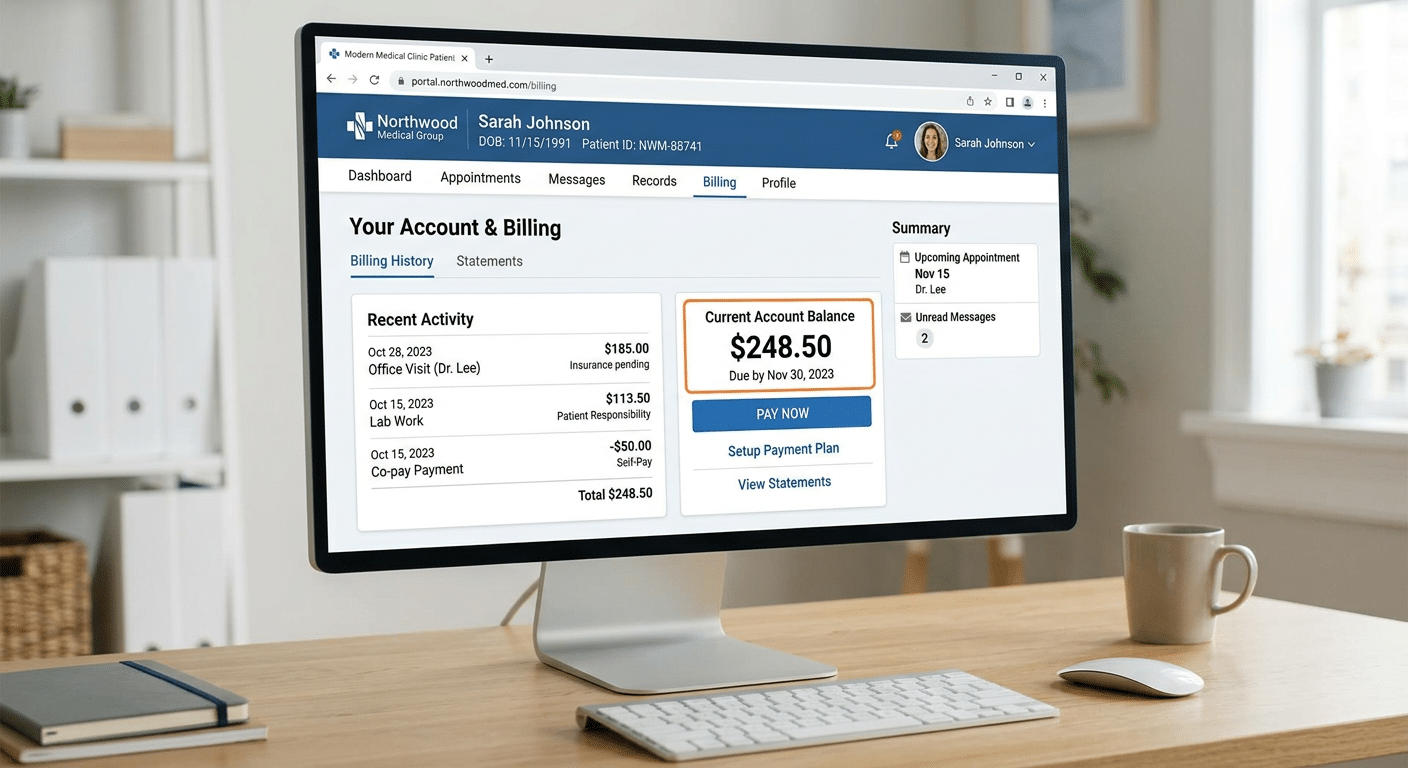



Nonprofits require payment processing that’s easy for donors and clean for finance teams. Donations may come in via phone, tablet, email campaign, website, QR code, or invoice, but every donation must have a campaign, a receipt, and a donor record.
Nonprofit payment processing does much more than take online donations. It can also help nonprofits collect online donations, reduce fees, do ACH transactions, manage recurring gifts and donations, and keep receipts and donor data in order.
Why Nonprofit Payment Processing Requires a Different Setup
Nonprofits tend to have different requirements for processing payments compared to retail businesses. Donations could be of various types, such as one-time, recurring, restricted, event-based, pledge-based, donor-advised, grant-related, or campaign-related. Each of these requires some context to be included in the payment record.
Given the size of the United States’ giving sector, it is important that nonprofits use efficient payment-processing software. According to Giving USA, charitable giving in the United States reached $617.20 billion in 2025. Thus, nonprofit payments must be processed effectively because any friction costs the nonprofit more than just the transaction fees.
Credit Cards vs. ACH vs. Online Donations Compared
The best nonprofit payment setup usually supports multiple payment methods.
| Payment Method | Best For | Main Strength | What to Watch |
|---|---|---|---|
| Credit Card | Online donations, events, mobile giving and urgent campaigns | Familiar donor experience and fast authorization | Card fees, disputes and descriptor clarity |
| Debit Card | Smaller everyday donations | Familiar and easy for donors | Still card-network based |
| ACH / Bank Payment | Large gifts, recurring gifts, pledges and donor-advised workflows | Lower fee pressure on higher-dollar gifts | Authorization, returns and settlement timing |
| Digital Wallets | Mobile donors and quick giving pages | Faster checkout and fewer form fields | Provider and platform support |
| Payment Links | Email, SMS, events and staff-led follow-up | Easy remote collection | Must connect clearly to donor and campaign |
| In-Person Terminal | Galas, check-in tables, merch and onsite giving | Supports live fundraising moments | Staff training and reconciliation |
| Recurring Donation Portal | Monthly giving programs | Predictable revenue and donor retention | Failed-payment recovery and cancellation records |
Strong credit card processing for nonprofits should keep donor convenience high while giving finance teams enough reporting to understand gross gifts, net deposits, fees, refunds and campaign attribution.
Key Features of Nonprofit Payment Processing
Good non profit payment processing should make donation collection easier, not create another manual system. The processor, donation platform and accounting workflow should work together.
Prioritize:
- online donation forms
- card, ACH and wallet support
- recurring donation tools
- donor-covered fee options
- campaign and fund tracking
- automatic receipts
- refund and dispute records
- event payment support
- QR code or payment-link options
- donor CRM or accounting integrations
- role-based staff access
- PCI-aware payment security
- reports that separate gross donations, fees and net deposits
The best setup is the one that fits how the nonprofit actually raises money. A church, animal rescue, school foundation, national charity and gala-heavy nonprofit may all need different payment workflows.
Best Nonprofit Payment Solutions Compared
Provider fit depends on donation volume, fundraising channels, donor CRM, accounting system, event needs, ACH usage and whether the nonprofit wants a donation platform, merchant account or both.
| Provider Or Setup | Best Fit For | Key Strength | Main Tradeoff |
| Payment Nerds | Nonprofits that need merchant account guidance, card processing, ACH, recurring gifts, reporting and fee review | Strong fit for nonprofit payment processing, nonprofit credit card processing, ACH, online donations and account-fit guidance | More consultative than a simple donation widget |
| Stripe For Nonprofits | Eligible nonprofits needing flexible online and recurring donation infrastructure | Developer-friendly tools, recurring donations and eligible nonprofit discounts | Discount eligibility and setup depend on the organization and region |
| PayPal Confirmed Charity | Confirmed charities that want a familiar donor option | Recognizable donor wallet and discounted confirmed-charity rate | Per-transaction fixed fees can matter on small gifts |
| Donorbox | Nonprofits that want hosted donation forms and recurring giving | Donation forms, fundraising tools, recurring gifts and ACH support | Platform fees and processor fees should be reviewed together |
| Bloomerang Giving / Kindful | Nonprofits that want fundraising CRM plus payment tools | Donor records, fundraising tools and payment options in one system | Best fit depends on CRM needs and platform cost |
| GoFundMe Pro / Classy | Campaign, event and peer-to-peer fundraising teams | Strong digital fundraising and campaign tools | May be more platform-heavy than smaller nonprofits need |
| Authorize.net + Merchant Account | Nonprofits needing gateway, virtual terminal, cards and eCheck | Flexible gateway and eCheck support | Requires a merchant account and configuration |
| ACH-First Merchant Account | Nonprofits receiving larger recurring gifts or pledge payments | Helps reduce card-fee pressure on larger donations | ACH authorization and returns must be monitored |
Payment Nerds is usually the strongest fit when the nonprofit needs help comparing donation tools, merchant account services, and payment methods. A fundraising platform can improve donor experience, but the organization still needs to understand pricing, settlement, reporting and payment risk.
How to Reduce Nonprofit Payment Processing Fees
The easiest way to lower fees may not necessarily be the best way to raise more money for your nonprofit organization. If the donation website becomes too confusing or restrictive for donors, you may raise fees but lose donations.
Use different payment methods based on the donation amount. Cards and wallets are best for small and mid-sized gifts. ACH is better for larger donations or people who are more comfortable with bank payments. These fee-cover options can help but should be used as little as possible.
When comparing payment methods and fees, look at the total cost. Look beyond the advertised rate. Consider platform fees, processor fees, ACH fees, chargeback fees, monthly fees, hardware costs, and whether the reports will make it easier for your nonprofit to reconcile donations.
Security, Donor Receipts & Trust
Since donation pages contain sensitive data, nonprofits should use only secure form hosts, payment tokenization solutions and payment providers that clarify their PCI DSS responsibilities.
The PCI DSS applies to any organization that has any role in securely storing, processing or transmitting card data, or who can impact the security of card data. Depending upon the hosting provider for forms and donation pages, nonprofits may have a role in securing data for their donation and event platforms.
Finally, if donors do not recognize the charge on their card, they may contact their bank instead of the nonprofit concerning the charge. This creates potential issues for the nonprofit that can be avoided with proper receipt and donation record implementation.
How Visa VAMP Impacts Nonprofit Credit Card Processing
The Visa Acquirer Monitoring Program (VAMP) combines Visa’s efforts to monitor fraud and disputes. The VAMP ratio is the number of fraud reports and non-fraud disputes divided by the number of settled Visa transactions. TC40 represents the number of fraud reports recorded by Visa and TC15 represents the number of Visa transactions that are disputed or charged back.
The VAMP ratio is important for nonprofits that take Visa cards from donors online or at events. Donation pages for nonprofits can be targets for individuals using counterfeit or stolen Visa cards.
In addition to fraud and chargeback ratios, Visa also monitors for enumeration attacks. An enumeration attack happens when bots attempt to test Visa cards on a nonprofit’s donation page. The enumeration ratio is the number of suspected enumeration attacks divided by the total number of authorization attempts on a nonprofit’s donation page.
Under the VAMP program, nonprofit organizations must monitor their donation page for failed authorization attempts, suspicious donations, refunds, complaints from donors, descriptors of donations and chargebacks from donations. A good donation page should be easy for donors to access but difficult for bots.
Common Nonprofit Payment Processing Mistakes to Avoid
The biggest mistake is to choose payment software based on the lowest rate. A low donation processing fee means nothing if the donation form converts few visitors or if the nonprofit cannot reconcile donations in its accounting software.
Another mistake is to ignore ACH functionality. While credit card processing software for nonprofits is important for donor convenience and conversion, other payment methods may be better for certain donations. For instance, if a donor makes a large donation or a series of contributions to a nonprofit, ACH may be a better option for them. The best nonprofit payment software lets donors choose their preferred method while maximizing the nonprofit’s net revenue.
FAQs About Nonprofit Payment Processing
Q: What is nonprofit payment processing?
A: Nonprofit payment processing is the system that charities use to accept donations from individuals via credit card, debit card, ACH, digital wallet, payment link, donation form or event terminal.
Q: What is credit card processing for nonprofits?
A: Credit card processing for nonprofits allows charities to accept credit card donations online, in person, over the phone or at events.
Q: What is nonprofit credit card processing?
A: Nonprofit credit card processing refers to the processing of credit card payments made to nonprofits for donations. Many nonprofit credit card processing companies offer nonprofits features like donation forms, event payments and donation reporting.
Q: What is nonprofit payment processing?
A: Nonprofit payment processing is another way of saying nonprofit payment processing. It refers to the payment processing and merchant account setup needed for nonprofits to accept and process donations.
Q: Should nonprofits accept ACH donations?
A: Many nonprofits should accept ACH donations from individuals. ACH donations are helpful for larger donations or donations that recur over time. ACH payments reduce the pressure on nonprofit organizations to pay high donation fees. However, nonprofits must monitor ACH returns and ACH authorizations.
Q: Are PayPal and Stripe good for nonprofits?
A: PayPal and Stripe allow nonprofits to receive donations to their organization. If nonprofits meet the criteria for nonprofit and charity rates with these companies, they should be able to take advantage of the low donation fees. However, nonprofits should compare these companies’ features and fees to determine which is the best payment processing company for their organization.
Q: What payment methods should charities accept online?
A: Charities should accept credit cards, debit cards, ACH and digital wallet payments from individuals if the payment processing company for nonprofits supports these methods. The best payment methods for nonprofits will depend on their donors.
Q: Can nonprofits use in-person card terminals?
A: Yes. Nonprofits can use in-person card terminals to take donations at events such as galas, fundraisers, in thrift stores, at in-person events, for membership fees and more. These in-person card terminals should be able to connect with the nonprofit’s donation and reporting software.
Q: Does Visa Acquirer Monitoring Program (VAMP) affect nonprofits?
A: Nonprofit organizations that take Visa donations may be affected by the Visa Acquirer Monitoring Program (VAMP). VAMP is designed to monitor the charity nonprofit for increased reports of fraud or enumeration of donations.
Q: Can Payment Nerds help nonprofits accept donations?
A: Yes. Payment Nerds can assist nonprofits in comparing nonprofit payment processing companies, credit card processing for nonprofits, nonprofit credit card processing companies, ACH processing companies, donation form companies, event terminal companies and more.
Conclusion
Nonprofits need a payment processing solution that supports their fundraising efforts. The best solution for your nonprofit will make it easy to accept online donations, event payments, and other payments online while maintaining proper records.
Payment Nerds can help your charity compare nonprofit payment processing, credit card processing for nonprofits, nonprofit credit card processing and non profit payment processing options. We want to help nonprofits receive as many donations as possible to support their mission.
Sources
- Indiana University Lilly Family School of Philanthropy. “Giving USA: U.S. Charitable Giving Rose to $617.20 Billion in 2025.” Accessed July 2026.
- Nacha. “ACH Network Volume and Value Statistics.” Accessed July 2026.
- Stripe Support. “Fee Discount for Nonprofit Organizations.” Accessed July 2026.
- Stripe. “Stripe for Nonprofits.” Accessed July 2026.
- PayPal. “Charity Confirmation.” Accessed July 2026.
- Donorbox. “Pricing.” Accessed July 2026.
- PCI Security Standards Council. “Merchant Resources.” Accessed July 2026.
- PCI Security Standards Council. “Payment Page Security and Preventing E-Skimming.” Accessed July 2026.
- Visa. “Visa Acquirer Monitoring Program Fact Sheet.” Accessed July 2026.