

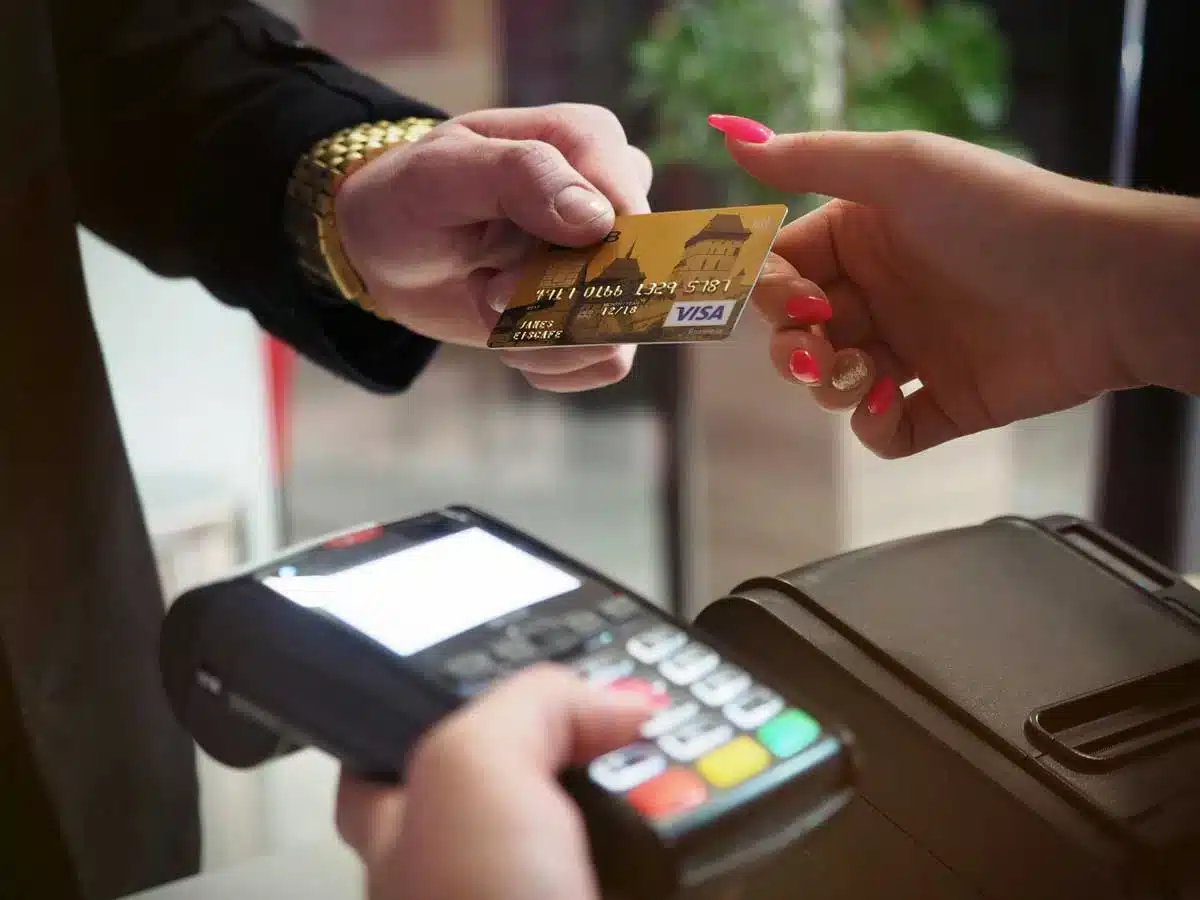

A pawn shop is not your average retail venture. While you’re stocking your shelves, you’re also stocking your loans, redemptions, extensions, defaults, customer ID requirements, and regulatory systems that can quickly become overwhelming. The leading pawn shop POS system keeps those moving parts feeling like one, and the top pawn payment solutions keep transactions similarly simple and convenient.
This review covers what’s most crucial in 2026, what POS features matter most to pawn shop owners, and how to complement your POS with payment processing that won’t falter under excess volume or difficult chargebacks.
What Makes a Pawn Shop POS System Different from Retail POS
A retail POS is there to sell and manage inventory. A pawn shop POS system does that AND has to keep track of collateral, interest, due dates, extensions, and an audit trail for regulatory requirements. When something isn’t pawn-specific, employees make do with spreadsheets, manual inventories, and workarounds that cause mistakes and jeopardize compliance.
The biggest difference is that pawn inventory is not only inventory. There is a life cycle for each item that’s associated with a customer relationship, loan time, and conditions that specify how—and when—that inventory can be sold.
What Pawn Payment Solutions Need to Handle In 2026
Pawn payments have higher average ticket amounts, necessity purchases, and a mix of card-present and card-not-present payments. Pawn payment solutions should be built around stability, not just fast approvals. In actuality, stability means a reliable understanding of what will be underwritten, expected patterns of funding, and a level of service that recognizes when things do not go right.
In addition, a stable solution understands how payment solutions work in the real world for pawn transactions. They’re more apt to require a deposit, partial payment, a payment link sent after the fact, and similar descriptors/receipts to help avoid “I don’t recognize this” chargebacks. Pawn shops need payment solutions built for high-ticket, time-sensitive transactions. If your current processor struggles with holds or disputes, it may be time for a specialist.
Key Features That Separate “Good Enough” From Best
The best systems are almost boring, in a good way. Employees input loans/sales in seconds, inventory is perpetually accurate, compliance reporting is generated automatically, and the dashboard tells you what you need to know without having to search. The bad system adds friction to small pockets of operation, and then those small pockets become a persistent headache.
When choosing a pawn shop POS system, you want to look at how the daily operations function. If intake, loan processing, inventory lookup, and redemption flow, then everything else is just a cherry on top.
Pawn Payment Solutions With Stability
Think of payments as an element of infrastructure. The best pawn payment solutions integrate with your checkout and reporting, but also remain stable when volume or transaction types increase. In pawn, the two most common stability concerns are funding holds, unexpected limits, and chargeback investigations—provided the processor was not overly averse to the vertical in the first place.
A good partner will outline what to expect, including when the funds will be available, any parameters for holds should they occur, and what needs to be investigated. Stability comes from a mutual understanding of the business model, the quality of your POS data, and the underwriter’s comfort.
Fraud, Disputes, And Refund Controls For Pawn Payment Solutions
The more you control your payment solutions from recognition to recording, the fewer disputes you’ll have. The billing descriptor on your pawn payment solutions should mirror your signage and receipts to reflect what was purchased or paid, so if your customer forgets what they purchased, you’re not to blame. The billback workflow for refunds should also be consistent, as one of the more common pathways to chargebacks is “refund promised but never given”.
Fraud controls are most relevant to card-not-present payments, payment links, and keyed transactions. If your pawn payment solutions include device checks, velocity limits, and easily visible, verifiable means, you can avoid avoidable fraud while not sacrificing speed and efficiency for legitimate customers.
Implementation: Switching POS And Payments Without Disrupting Stores
Changing the POS is an ops effort, not just a software effort. You want to run parallel testing so you can certify loans, inventory, refunds, and reconciliations before a full cutover. Training should focus on the most commonly used workflows, since those are the errors made in the first week.
Payments should be tested on refunds and partial payments, not just a “successful” run. If you’re switching processors at the same time, test how descriptors flow through and deposit reconciliations to ensure you don’t create additional disputes or back-end issues.
How to Choose the Best Pawn Shop POS System
Loan And Redemption Processes Within The Pawn Shop POS System
The pawn shop POS system should make the loans and redemption process easy, fast and repeatable. You want screens for loan terms, due dates, renewals and payment history to be obvious so staff does not have to make educated guesses or try and wing it. The best will also allow for partial payments and extensions without messing up reporting. If the management of loans feels secondary, it is only a matter of time until it becomes a means of error.
Inventory, Buy/Sell And Pricing Management
Pawn inventory needs deeper tracking than standard retail as such items come from loans, buys or forfeits. Your POS should distinguish clearly between items and their origins, statuses and pricing justifications so that staff can operate from buying to managing to selling with confidence. Barcode processes and item-specific notes reduce the chance of mislabeling and misplaced items, especially in a fast-paced setting. Strong inventory management is also what keeps consistency between multiple sites.
Compliance Reports And Audit Trails
Pawn shops need reporting based on customer identification, transaction types and item movement. A good system supports compliance-level needs through everyday use—not a last minute scramble for a month's worth of data. Audit trails, user actions and timestamps on alterations remove risk from in-house operations and fast track the investigation if something seems out of line. If you ever need to validate a transaction trail for inquiry, the audit trail might become your top used feature.
Multi-Store Management, User Permissions And Security
If you have multiple locations, the POS should have a consolidated effort when it comes to pricing and inventory recommendations and reports without manually compiling everything. Permissions matter, too, because pawn-related activities are sensitive and usually require specific nuances—loan terms, refunds, overrides—you want role-based access related to how your shop actually runs and an easy audit trail to know who logged what. This also aids in security hygiene because fewer people share a password to the system means less opportunity for blind spots.
eCommerce, Omnichannel And Customer Communication
Many pawn shops sell online, even if it's for a small portion of their revenue. Your system should support access and easy returns/exchanges across platforms. Customer communication also matters—in terms of notifying loans are due or the lack thereof pick up—any confusion will come back to bite them as an unhappy customer. POS systems that support transparency for your staff will prevent bad faith arguments from coming back to haunt them down the line.
Accounting Integrations And Reconciliation
Your pawn shop POS should not make accounting complicated. You want exports or integrations that easily map to your chart of accounts that allow you to easily match deposits for sales, refunds and fees. When reconciliation becomes complicated, pawn shops waste time looking for variances that accounting no longer trusts the numbers provided. Great POS systems decrease end of month efforts—they don't increase them.
FAQs
Q: What is the most critical feature in a pawn shop POS?
A: Loan and redemption management is often a deal breaker because it affects day-to-day operations and compliance. If your POS cannot handle renewals, partial payments, or audit trails, your team will find a way to do so. Team members will do it wrong at least once, then spend more time undoing the error than it took to do it right in the first place, which is time and money down the drain. The right pawn shop POS will allow these systems to be expedited and repeated reliably.
Q: Are pawn payment solutions more difficult to get approved than retail processing?
A: They can be more difficult to approve based on your transaction history, your average ticket, your refund history, and how you’re underwriting yourself as a business. Many processors do not like high-ticket, urgent payments, or the combination of CNP and CP volume. The best pawn payment solutions come from vendors who understand the vertical and set it up for approval. Approval is one thing; stability over time is the goal.
Q: Should pawn shops use integrated payments in POS?
A: Integrated payments make checkout easier and reconciliation seamless—assuming you have a reliable setup and accurate reporting. However, integrated solutions can prevent flexibility down the line if you need/want to change processors. If you’re more flexible with portability than with processing solutions, you’d want a POS that can accommodate different processing solutions. It’s a matter of wanting ease of access now or flexibility down the line.
Q: How do pawn shops minimize chargebacks and disputes?
A: It comes down to customer education—recognizable merchant descriptors, accurate receipts, consistent refund times—and then it gets more stringent related to higher-risk payments, especially CNP. Support plays a bigger role, with customers who cannot reach you always disputing sooner than those who’ve been able to talk to you about their concerns. The more your systems are under your control, the fewer disputes you have—not only with your processor but also for your shop’s reputation.
Conclusion
The “ideal” pawn shop setup is one that gets your shop running smoothly during the calm and stays stable during the chaos. A tailored pawn shop POS system needs to handle loans, inventory, reporting, and compliance without being a fix. Precise pawn payment solutions can keep funding consistent, reduce discrepancies, and truly improve how pawn shops operate in 2026. When POS and payments run together, there’s less time for troubleshooting and more time for customer service.
Sources
- PCI Security Standards Council. “PCI Security Standards Document Library.” Accessed January 2026.
- PCI Security Standards Council. “Just Published: PCI DSS v4.0.1.” Accessed January 2026.
- Visa. “Dispute Management Guidelines for Visa Merchants.” Accessed January 2026.
- Mastercard. “Chargeback Guide, Merchant Edition.” Accessed January 2026.
- Payment Nerds. “How Pawn Shops Can Optimize POS and Payment Processing.” Accessed January 2026.