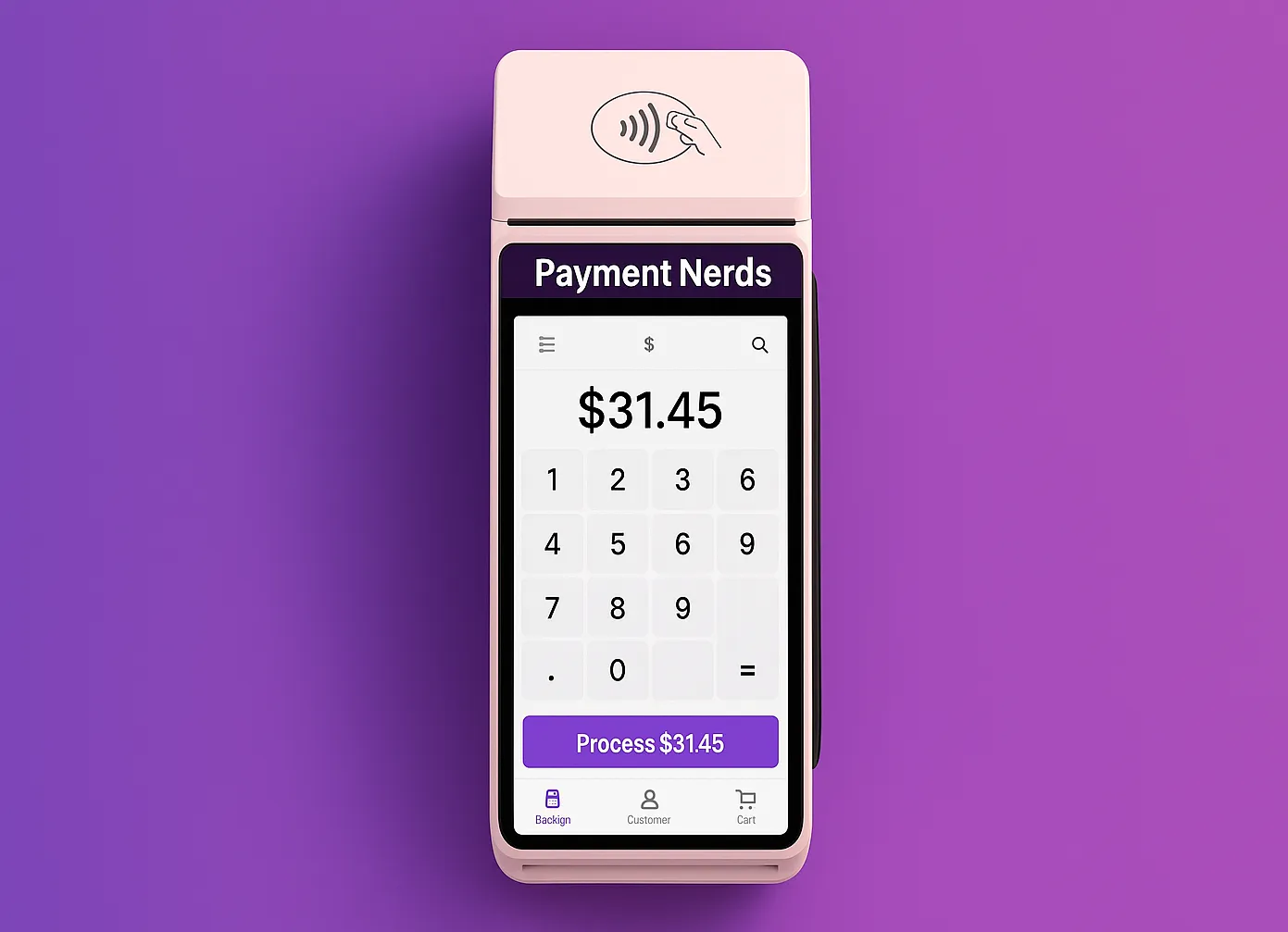



High-risk industries make it harder for merchants to maintain customer retention efforts. High-risk means that the business laws, regulations, and consumer behavior are against them—CBD shops, nutraceutical supplements, ticket sales, and gun warehouses are all dealing with regulatory restrictions and consumer skepticism. However, one underappreciated way to establish trust and customer retention in these risky verticals is through the point-of-sale (POS) experience. Merchants think of POS as simply swiping a card, obtaining approval, and sending customers on their way. However, point-of-sale experience is everything that goes into the payment transaction at the point of purchase, from speed to transparency to security. When merchants ask what the point of sale experience is, they seek technical terminology about their hardware and software; an assessment of how payment in the moment can translate into long-term loyalty. This means that if merchants can facilitate a frictionless experience with their POS, they’ll turn these one-time clients into repeat customers—even in industries that usually have high turnover.
What Is Point of Sale Experience and Why It Matters
Point of sale experience is, quite simply, everything a customer experiences when trying to pay. This means what’s involved in the hardware and software, what payment options exist (just credit cards or cash?), how quickly items can be processed, and what fees might come up mid-transact or post. Customers expect seamlessness; delays, unclear fees, and initial denials diminish trust. In high-risk industries with already on-edge customers, this stings even more. A quality merchant services provider positioned to offer quality service in this area isn’t merely processing payments—they’re establishing credibility. That is the goal. Customer retention in risky verticals is not solely about what’s being sold; it relies upon ongoing functionality at every point of interaction.
How POS Supports Customer Retention
Customers leave a business area for the last time once their transaction has been completed. This means they enter—and leave—mere seconds after their payment has been processed through a POS system. Therefore, how customers feel after leaving a transaction area sets the tone for future possibilities. Even if a customer loves the product, if their final exit experience was unfriendly, ineffective, with slow payments and a lack of transparency in receipts, they may default instead of trying their luck with higher-risk competitors. Faster authorizations, transparent fee disclosures, and access to multiple payment options show that the merchant is not merely out for profits but trying to meet customer needs as well. In high-risk industries where trust must be established even more than in standard situations, these factors matter substantially. No one wants to be taken advantage of. Therefore, when they feel safe during engagement—even when they’ve been sold something they’ve never purchased before—they are more likely to return[1]. Many merchants in high-risk verticals work with POS technologies unique to their industries versus general solutions because they’ve seen how effective it can be.
Speed and Efficiency in High-Risk POS Environments
Transactions in high-risk goods, such as clothing, face an additional layer of fraud prevention and regulations. While this might inadvertently slow down some transactions, it does not have to on the merchant end if world-class infrastructures and integrations are involved. Cloud-based POS systems using multi-source transaction routing can approve transactions at the speed of light without skipping a beat. Similarly, contactless payments like Apple Pay or VENMO speed up transactions versus the myriad processes traditional cash transactions require[2]. For those merchants working online, tokenized transactions with stored customer credit card info encourage future approved purchases without needing compliance reapproval every time—a feature that encourages repeat business from reliable sources. When merchants assure customers that they’ll pay faster than they’re used to, even in high-risk environments, they’re cultivating loyalty before submissions go through.
Transparency as a Retention Strategy
Why are chargebacks at an all-time high? Because customers aren’t always aware of what’s happening at the time of transaction. It’s one thing for certain merchants to charge surcharges; it’s another when they hide surcharges and charge unknowingly after the fact. Merchants must ensure that their POS systems and merchant service providers take this into consideration and incorporate fee disclosures within physical receipts and digital invoices/credits whenever possible[3]. For example, digitally sent invoices should include line items of credit card processing rules for refunds/disputes—even if such an inclusion is not legally required—so that customers know what recourse they have after purchase. In high-risk industries where customers worry about being taken advantage of, this transparency goes a long way at the point of sale.
Security and Compliance in Risky Verticals
Retention is all about security. If customers think they’re at risk or their information is at risk—or worse, their credit card numbers—they aren’t making their future purchases again, and many others will avoid them as well. Many high-risk merchants work with payment processors that add additional levels of detection on top of PCI compliance collection regulations for payment processing. Sometimes this adds friction; however, with POS systems specialized for certain industries, merchants can find opportunities for protection that add minimal resources to approval while adding peace of mind exponentially. Strong tokenization protects cardholder data while vertical compliance requirements—age checks for vape or marijuana shops and legal checks for gun purchases—can be built into POS systems[4]. When businesses establish themselves as compliant at the point of sale—to keep everyone safe—they take friction points and turn them into trust-building moments.
Multi-Channel POS Strategies for Retention
Today’s consumers expect to pay for merchandise anywhere—in person, online, or on a mobile device—and still appreciate security and speed of processing transactions. Businesses that can integrate all platforms into one POS solution create legitimacy across channels. For example, a merchant selling nutraceuticals can allow customers to purchase in-store and save their information for easy subsequent purchases online from the same device due to same-system protections.
Conversely, a customer buying ticketing can check out on their mobile device and receive the same credit options as they did on their home computer. If high-risk merchants do not merge these channels together, customers will be confused and compromise satisfaction down the road as they may think different channels support different requirements. Multi-channel POS strategies as retention drivers allow for easy reorder across access points.
The Role of Merchant Services Companies in POS Optimization
Merchant services companies are responsible for discussing everything customer service encompasses for the POS experience—from processing speed to fee dynamics, fraud detection, and compliance assistance. Without a well-versed merchant services company explaining to a high-risk profile entrepreneur what to expect from POS systems communicated through their payment processing needs, retention has no chance. The best providers know that retention for anything is not based merely on approval goals; retention occurs because reliable checkout comes thereafter. A good provider helps merchants configure for speedier settlements, transparent reports, and proactive dispute management.
Future Trends in POS Experience for Risky Verticals POS
POSs are only going to get better; soon, artificial intelligence will take fraud detection one step further by predicting consumer behavior based on historic transaction red flags or compiling potential problems based on global findings matching guidelines. Blockchain payment networks may introduce lower-cost payment networks that could help high-risk industries burdened with international interchange charges feel at peace with less costly transactions; biometric authentication will reduce potential credit concerns as payments get approved even faster[5]. As high-risk entrepreneurs adopt future technology sooner rather than later, they retain the bonus of distinction as leaders among their artisan community with educated audiences from square one; they establish themselves as non-risky enterprises among consumers.
FAQ
Q: What is point of sale experience in business?
A: The entire customer experience occurs at the time of checkout including speed, security, transparency, and required payment options; it directly impacts retention especially in high-risk industries.
Q: Why does POS speed matter for retention?
A: Faster outcomes ensure less friction occurs which leads to purchases not being abandoned part-way; it also shows professionalism which leads to repeat business.
Q: How do merchant services companies impact POS performance?
A: These providers control how quickly someone transacts based on reporting time frames vs financial arrangements; whether additional fees exist within transactions; additional degrees of fraud detection; compliance support goals and more.
Q: Can transparency at checkout really reduce chargebacks?
A: Yes; making fees clear with line items and credit conditions increases awareness and avoids disputes.
Q: What future technologies will shape POS in high-risk industries?
A: Expect AI-driven fraud detection efforts; blockchain-based payment networks and biometric authentication developments that limit liability down the road.
Sources
- Investopedia. “Point of Sale (POS): Definition and How It Works.” Accessed August 2025.
- Investopedia. “Point of Sale (POS).” Accessed August 2025.
- PYMNTS. “The State of POS Innovation.” Accessed August 2025.
- Visa. “Understanding Processing Fees and Regulations.” Accessed August 2025.
- PCI Security Standards Council. “PCI DSS Overview.” Accessed August 2025.