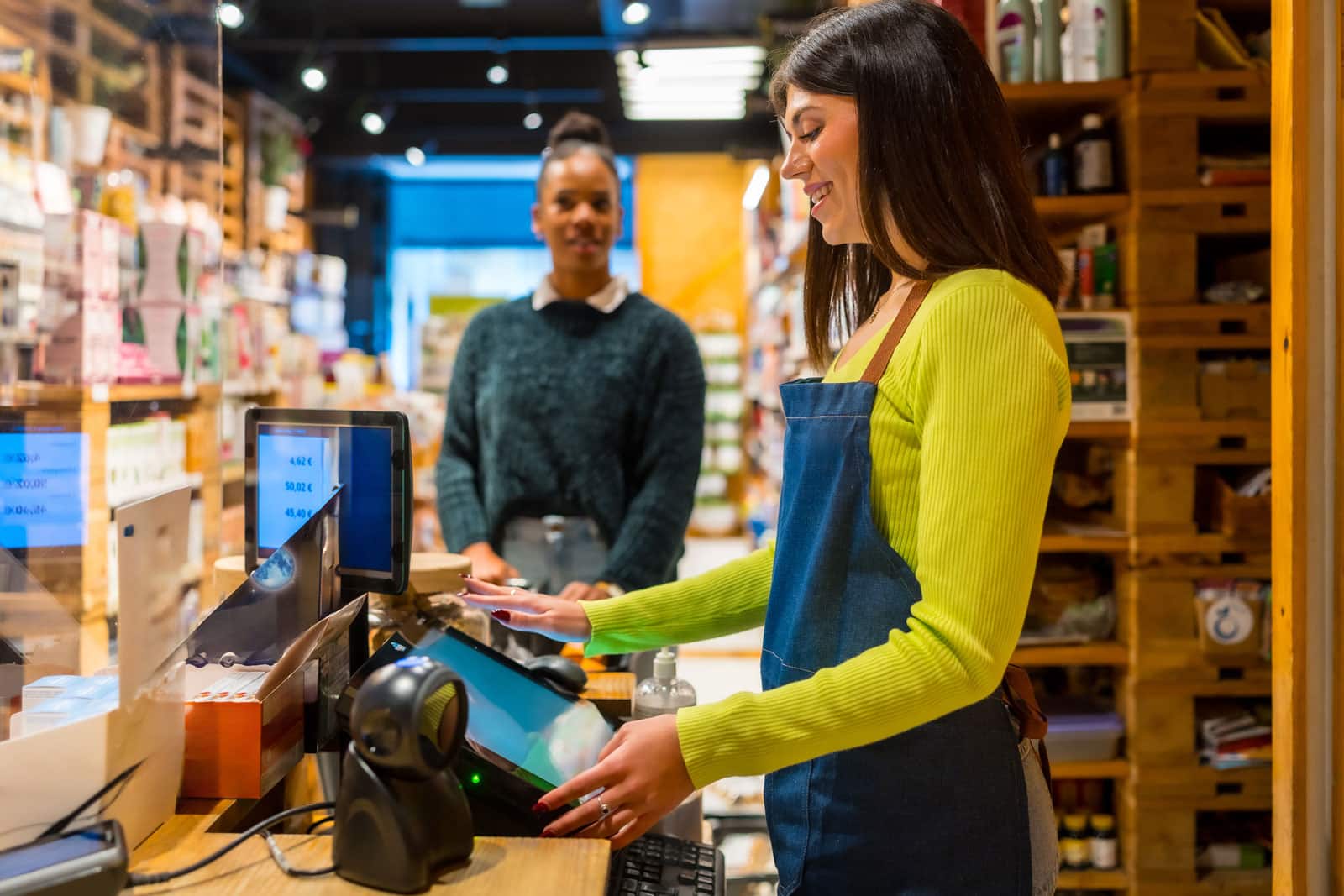



A POS system for clothing store operations has specific requirements beyond just sales receipts. Apparel stores require inventory by size and color of clothing items, quick returns and exchanges, inventory synchronization between online and in-store stores, user permissions, mobile sales terminals, and sales terminal hardware to facilitate sales during peak hours of the day. Payment Nerds described apparel store payment systems with an emphasis on quick sales and returns, unified online and in-store stores, and high availability during seasonal sales.
Given these requirements, a clothing store POS system should be evaluated differently from other retail systems. Specifically, its features in 2026 will depend on its ability to coordinate the entire retail experience across both in-store and online clothing stores.
Why Apparel Retailers Are Adopting Better POS Systems in 2026
Apparel retail has more moving parts than most other retail formats. Lightspeed’s resources for apparel retailers focus on real-time inventory, multi-location retail POS systems, and omnichannel retail. Square’s clothing retail page highlights synchronized inventory across online and in-store locations, returns and exchanges, and point-of-sale payments. Both of these POS providers recognize that retail checkout is only part of the apparel retail experience.
Shopify’s POS system connects in-store sales to online sales in the same back office, giving retailers one view of both in-store and online inventory and sales activity.
Who Needs a Clothing Store POS System?
This guide is useful for those in the clothing retail space, such as:
- apparel boutiques
- shoe and accessory stores
- clothing retailers with multiple locations
- brands with both online and in-store sales
- apparel pop-up stores
- stores with many different sizes and colors of items
- retailers looking into implementing a returns system
The more your clothing sales or retail store relies upon any of these factors, the more important it is for you to understand how to effectively implement a POS and payment system for your sales. What might work for a gift shop, for example, may not necessarily work for apparel retailers.
Clothing Store POS System Options Compared
| Option | Best For | Main Strength | Main Tradeoff |
|---|---|---|---|
| All-in-one retail POS | Smaller to mid-sized apparel stores | Simpler setup and unified checkout | Less flexibility for custom workflows |
| Omnichannel commerce POS | Brands selling online and in store | Shared inventory and customer data | Can require broader platform adoption |
| Apparel-specific inventory POS | Stores with deep variant catalogs | Better size/color matrix handling | May be more operationally complex |
| Flexible merchant-account plus POS setup | Retailers that want more payment choice | Better fit across hardware and processing models | Requires more provider comparison upfront |
The key decision depends on your biggest challenge: checkout speed, inventory complexity, omnichannel selling, or payment flexibility. A POS system for clothing store operations should be judged on how well it supports all four, not just whether it can take cards.
Best Clothing Store Payment Processing Providers (2026)
The “best” provider for apparel retailers depends on their specific needs.
- Payment Nerds offers flexible merchant account support and POS solutions for apparel retailers looking for fast checkout and returns, in-store and online selling, and seasonal sales.
- Shopify POS may be best for apparel retailers who already have an online store and are looking to integrate a more unified commerce platform into their retail operations.
- Lightspeed Retail may be best for apparel stores looking for deeper inventory support and reporting capabilities.
- Square for Retail may be best for smaller apparel retail stores looking for an all-in-one retail solution.
Keep in mind that these are fit-based recommendations, not rankings of the best clothing store payment processing providers in 2026. The best provider for your clothing store will depend on your specific needs.
How Much Do Clothing Store POS Systems Cost?
Clothing store POS systems usually have multiple costs associated with them. The pricing guide for Lightspeed POS, updated in January 2026, indicates that POS costs typically include software, hardware, payment processing, and system implementation. While the software may seem cheap to start, it can cost the business money due to inventory mistakes and other issues that can result from using a disconnected POS system.
Instead of asking the question of how much a clothing store’s POS system costs, the more important question is what it removes from a store’s operations. A good POS system will reduce inventory errors, synchronize online and in-store inventory, process returns quickly, and prevent the checkout counter from becoming overwhelmed during the busiest periods of the year.
Common Clothing Store POS Mistakes Businesses Make
The most common mistake is buying a POS system that lets them focus on checkout first and inventory second. They will experience difficulties with returns, sizing, and online inventory, even if they have an appealing payment system for their clothing store. A clothing store’s POS system may look good for the checkout process, but it may cause more problems if it lacks effective management of clothing sizes and colors.
Another common mistake is focusing solely on the price of the software for their POS system. This could be the lowest price for the software, but it does not offer the flexibility for payments or mobile checkout that their clothing business will require, nor will it scale in the future.
Choose a POS System That Supports Growth
The best system for your clothing store will be the one that can grow with your business. Look for a POS system for a clothing store that allows you to add locations, sales channels, and payment methods as your business evolves. Payment Nerds, Shopify, Lightspeed, and Square offer different features that support small and growing clothing retailers today.
Best POS Systems for Different Types of Clothing Stores
When determining the best POS system for an apparel retail business, it is helpful to consider the way in which the store operates. Not all retail stores have the same sales models. Therefore, a POS system that may work well for one type of business owner may not be the best fit for another with different business requirements.
For example, a boutique may require a different POS than a company with a few pop-up locations for apparel retailing. The best way to determine the best POS for an apparel retail store is to consider its specific sales model.
- Boutiques and smaller clothing retail shops can benefit from using Square for Retail. This platform is best for small clothing stores that need a simple POS system with inventory management, returns, and customer management. The ease of learning the platform is beneficial for small boutiques that do not require an overly complex retail management system.
- Omnichannel apparel retail shops can benefit from Shopify POS. If a clothing retailer operates both online and in person, Shopify POS lets them use a single system to manage inventory, sales, and customer data. This system is best for apparel retailers who already use Shopify to sell their products online, or for those interested in adopting an online sales model for their retail business in the future.
- Lightspeed Retail is a good POS system for apparel retailers with multiple locations. Lightspeed is a platform designed for stores with more complex inventory and sales reporting needs. If retail clothing shops have high demands for inventory and sales reports, they may benefit from using Lightspeed Retail.
- Payment Nerds is a POS system that may be best for apparel retail stores that require flexibility in their payments and merchant accounts. This system is best for clothing retail businesses that want greater flexibility in their payment options and POS systems than an all-in-one platform can offer.
Apparel retail stores that have pop-up locations or events may benefit from mobile-friendly POS systems. These systems make it easier for clothing retail entrepreneurs to manage sales and inventory at pop-up locations and events without requiring them to be in the main retail store.
Apparel retail shops that are growing and may require additional complexity in the future may benefit from choosing a POS system that can grow with the retailer. Choosing a system too soon that does not handle the complexity of the growing apparel retail shop may cause more problems than choosing a platform that can handle that complexity at the start of the business.
What Should Apparel Retailers Look for in a POS System in 2026?
Variant Inventory Control
Apparel retail stores should have a clothing store pos system that allows for the real-time tracking of inventory by size, color, and quantity of items in stock. Both Lightspeed and Square offer these features for clothing items specifically.
Omnichannel Stock Sync
Any system used by clothing retailers that sell both online and in the store should allow for the inventory to be synced between both channels. Shopify explicitly states that their POS and inventory systems are integrated so in-store and online sales are tracked under the same back office. Otherwise, retailers will find themselves creating more work than they save by splitting online and in-store inventory.
Mobile And Contactless Checkout
Any quality apparel store will want to allow customers to pay for their items with contactless payments or credit cards. Both EMVCo and TapToMobile offer contactless payment systems that allow for contactless payments and mobile devices to pay for purchases in the store.
Returns, Exchanges, And Store Credit
Given that apparel retailers receive a higher number of returns and exchanges compared to most other retail categories, the POS software should reflect that need. Square specifically highlights that their clothing retail system allows for easy returns and exchanges for customers. A system that does not have this feature will quickly pose a challenge to retailers.
Staff Permissions And Reporting
Retail store owners will want to know who is selling what and generating the most sales for the store. Systems like Clover, Lightspeed, and Square offer staff permissions and reporting features to track and analyze sales and apparel inventory.
Hardware And Growth Flexibility
The best clothing store POS system for a small business may not be the best for a growing business. While most POS systems offer hardware and software integration to accommodate future needs and additional retail locations, it is always best to choose a system that can grow and adapt to the changing needs of the retailer and their inventory.
FAQs
Q: What is the best POS system for a clothing store?
A: For clothing stores, the best POS system for store operations will depend on their inventory and payment needs. Many clothing retailers need to track inventory by size and color. Additionally, they will need to manage returns.
Q: What should a clothing store’s POS system include?
A: A clothing store pos system should include features that allow inventory to be managed by clothing variants, be able to order in and pick up items online, accept payments without cash, manage returns, and use hardware that suits the clothing store.
Q: Do clothing stores need omnichannel POS tools?
A: Clothing stores that have online and in-person retail spaces will need omnichannel tools to manage inventory and sales records in one place. Both Shopify and Lightspeed offer omnichannel features as part of their current offerings for apparel and retail stores.
Q: Why do apparel retailers need better inventory control than other types of stores?
A: Apparel retailers require more complex inventory management software because clothing items can come in various sizes and colors.
Q: How much will a clothing store’s POS system cost?
A: The cost will include the software, hardware, and the cost of the payment system. Additionally, there are the operational costs of the clothing store’s POS system.
Q: Should apparel stores use Tap to Phone or traditional POS terminals?
A: Apparel stores can use either system. However, if the store is using a traditional sales counter, a traditional terminal may work better. For pop-ups or stores that want to avoid long lines of customers waiting to reach the sales counter, a TapToMobile system would work better.
Conclusion
The best apparel POS system will integrate all your store’s functions into a single, easy-to-use retail system. Find the right POS system for your clothing store that enables easier selling across channels, better management of apparel inventory, and faster checkout when your store sees high traffic.
If you’re struggling with the return process, variant inventory, or payment issues, the team at Payment Nerds can assist in comparing the best merchant account and POS systems for your business. It’s not about taking payments; it’s about creating a system that supports the growth of your apparel business.
Find the Right POS System for Your Clothing Store
Sources
- Payment Nerds. “Clothing Store POS System & Payment Processing.” Accessed March 2026.
- Payment Nerds. “POS Payment Gateway.” Accessed March 2026.
- Square. “Clothing Store POS and Apparel Inventory Management.” Accessed March 2026.
- Shopify. “Connect In-Store and Online Sales with Shopify POS.” Accessed March 2026.
- Lightspeed. “Apparel POS System & Inventory Software.” Accessed March 2026.