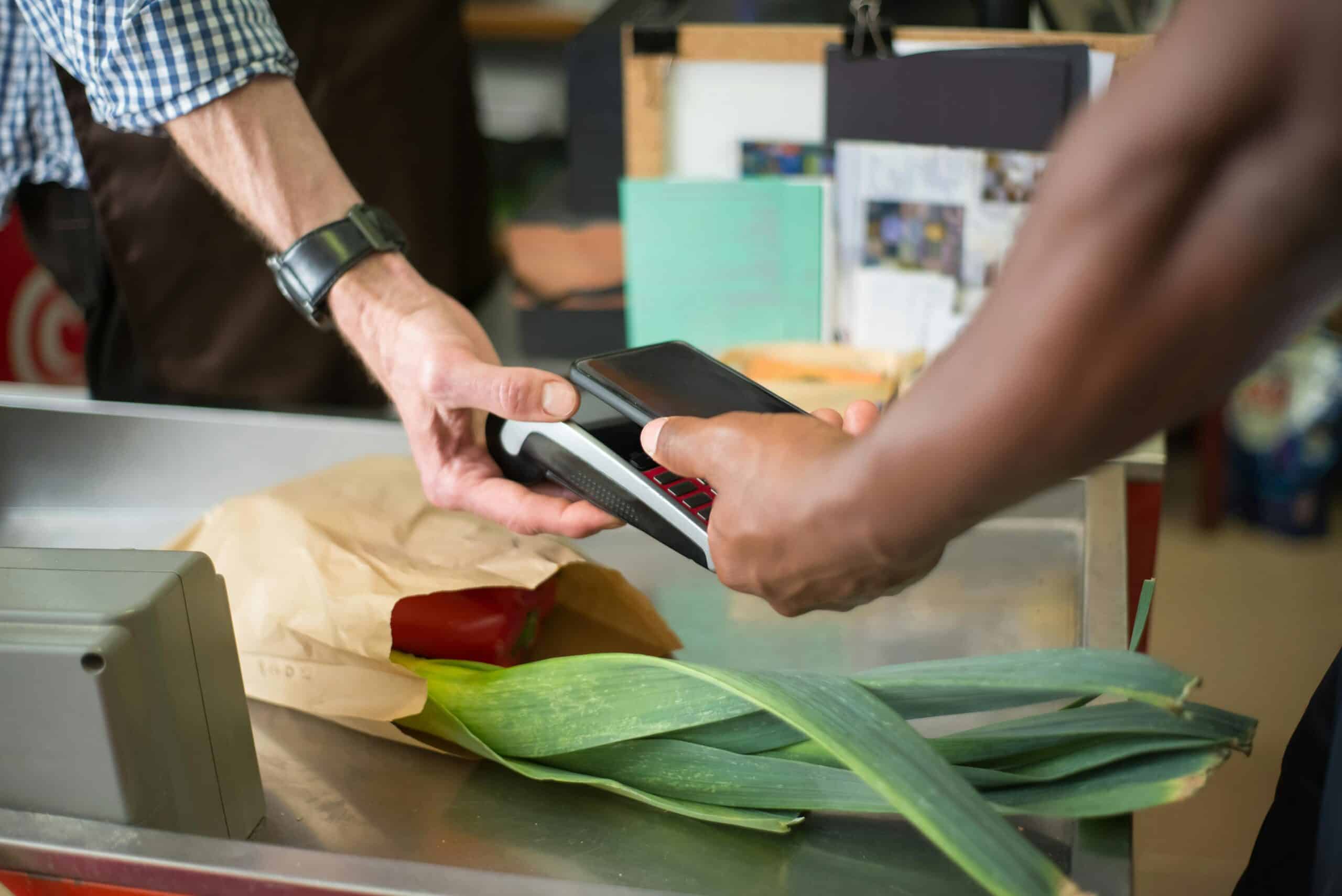



Understanding how credit card processing works isn’t just helpful—it’s essential for any merchant hoping to grow sustainably, reduce costs, and remain compliant. Whether you’re a seasoned eCommerce operator or a brick-and-mortar startup weighing your first point-of-sale system, knowing the mechanics behind each transaction will help you choose the right provider, prevent fraud, and optimize your bottom line. From card-present terminals to online merchant accounts, credit card processing is more than just swiping a card. It’s a sophisticated ecosystem of fees, approvals, data exchanges, and security checkpoints. In this guide, we’ll walk through the full lifecycle of a credit card transaction, define important terminology, and outline the most critical factors merchants should consider when evaluating providers. Understanding these building blocks will help you avoid common pitfalls, especially if you operate in a regulated or high-risk space.
The Basics: What Is Credit Card Processing?
At its core, credit card processing is the electronic handling of payments when a customer uses a credit or debit card. When someone makes a purchase, the payment information is routed from the merchant through a series of intermediaries—including payment gateways, processors, card networks (like Visa or Mastercard), and issuing banks. The funds are then either approved or declined based on various rules like account balance, fraud checks, and authorization codes[1]. This all happens in seconds, but it’s powered by dozens of micro-transactions behind the scenes. Once authorized, the payment is settled—meaning funds are transferred from the customer’s bank to the merchant’s account—usually within one to three business days. Understanding this chain of operations allows merchants to spot where delays, errors, or extra fees can occur and address them proactively.
Key Parties in a Credit Card Transaction
Credit card processing involves multiple players. The merchant is the business owner who accepts payment. The cardholder is the customer. The acquiring bank (or merchant bank) handles transactions for the merchant, while the issuing bank manages the cardholder’s account. Payment processors facilitate the communication between these entities, and payment gateways encrypt and transmit data securely online. Each of these parties plays a critical role in ensuring the transaction is authorized and settled properly[2]. When selecting a provider, understanding who handles each function—whether it’s bundled or spread across multiple vendors—can clarify who’s responsible when issues arise. This is especially vital for high-risk merchants who may need specialized support at every step of the chain.
Types of Credit Card Transactions
Credit card payments can occur in several formats. Card-present transactions involve swiping, dipping, or tapping a physical card at a POS terminal. These typically have lower processing fees due to reduced fraud risk. Card-not-present transactions, such as those processed through online stores or over the phone, carry higher risk and costs. Some platforms also support recurring billing for subscription-based models, as well as tokenized payments that let returning customers pay with one click. High-risk industries like nutraceuticals, travel, and jewelry multi-level marketing companies often rely on card-not-present transactions, which makes fraud prevention and merchant services selection even more critical. Understanding which transaction types your business will use most frequently helps you choose the right setup and avoid service disruptions.
What Are Payment Processing Fees?
Processing fees are the costs a merchant pays for each credit card transaction. These are generally broken down into interchange fees (charged by the card networks and issuing banks), assessment fees (collected by the card networks), and processor markup (the fee your payment provider adds). You might also encounter monthly gateway fees, PCI compliance fees, or batch processing fees[3]. For high-risk merchants, these rates are typically higher due to increased chances of chargebacks or fraud. Some providers offer tiered pricing, while others use interchange-plus, which offers more transparency. Merchants should request a full merchant services statement analysis to understand exactly what they’re paying for and identify opportunities for savings. Over time, even small differences in percentage points can significantly impact your revenue.
The Role of POS Systems and Online Gateways
POS systems—whether physical or cloud-based—are integral to how merchants process card payments. A credit card POS system captures customer data and routes it through the processor for approval. For online businesses, payment gateways like Authorize.net or Stripe play this same role in a digital environment. Online gateways also manage encryption, fraud detection, and recurring billing options. If your business accepts both in-store and eCommerce payments, you may benefit from an omnichannel provider that consolidates your systems. For example, if you’re trying to reduce issues like “Venmo payment declined but I have money” or “how do you close Cash App account” errors, using a single provider can reduce the need for third-party troubleshooting and create a better experience for your customers.
Fraud Prevention and Security Considerations
As credit card fraud continues to rise—especially for card-not-present transactions—merchants must proactively secure their systems. That means using PCI-compliant software, deploying address verification (AVS) and CVV checks, and enabling tokenization for repeat payments. Providers may offer machine learning fraud detection tools, real-time transaction monitoring, or manual review workflows for high-ticket items. You’ll also want to verify whether your merchant account provider includes chargeback mitigation services, especially if you’re selling in regulated categories. Fraud doesn’t just cost you money—it can cost you your merchant account entirely. Understanding your processor’s risk tools, how often they update their algorithms, and what you’re liable for in a disputed transaction is essential to long-term success.
Understanding BIN and Non-VBV Concerns
A lesser-known but important factor in credit card processing is the Bank Identification Number (BIN) and whether a card is enrolled in Verified by Visa (VBV) or Mastercard SecureCode. Non-VBV cards may be easier to use in global eCommerce but carry higher fraud risks and may be flagged by more conservative payment providers. Merchants processing high volumes of international transactions should be aware of how their processor handles BIN routing, whether they allow non-VBV cards, and how they mitigate associated fraud risks. In certain industries, a high rate of non-VBV transactions can lead to elevated decline rates or even account termination. Understanding these nuances helps you protect your merchant account while serving a broader customer base.

Choosing the Right Merchant Services Provider
Your merchant services provider should offer more than basic transaction handling—they should be a partner in your growth. Look for companies that offer transparent pricing, flexible contract terms, 24/7 support, and tools that suit your specific industry needs. If you’re in a high-risk vertical or run a hybrid retail/eCommerce business, make sure your provider specializes in merchant processing for complex or regulated industries. Ask if they offer custom reporting, API access, or compatibility with your existing software stack. Avoid providers that lock you into long-term contracts without trial periods or charge excessive cancellation fees. The best merchant services provider will help you process payments securely, adapt as your business grows, and maintain compliance at every stage of the customer journey.
Payment Declines: Common Causes and Fixes
Many merchants encounter unexpected declines and aren’t sure why they happen. Common causes include insufficient funds, fraud alerts, incorrect billing details, or processor errors. Sometimes, the issue lies with the cardholder’s bank—like in the case of Venmo, where payment declines can occur due to internal security settings, card expirations, or exceeding daily transfer limits[4]. If your customers report messages like “Venmo payment message persistent Reddit,” it’s likely a broader issue with third-party platforms. You can minimize declines by offering multiple payment options (including ACH or digital wallets), enabling intelligent retries, and setting up dunning emails for subscription models. Monitoring failed transaction data helps merchants uncover trends and resolve systemic problems before they affect revenue.
Final Thoughts
Credit card processing is one of the most overlooked yet mission-critical elements of running a modern business. From understanding who’s involved in a transaction to knowing how to compare pricing models, every merchant—especially those in high-risk or fast-scaling industries—needs to become fluent in payment infrastructure[5]. With the right tools and provider, you can reduce fraud, lower fees, improve customer satisfaction, and remain compliant no matter how your business evolves. If you’re unsure whether your current setup is helping or hindering your growth, it may be time to speak with a specialist. At Payment Nerds, we help businesses demystify their processing landscape, find better-fit partners, and optimize every dollar flowing through their systems.
Sources
- Visa. “Risk Evaluation Guidelines for Merchant Accounts.” Accessed June 2025.
- Federal Trade Commission. “Credit Card Billing Disputes.” Accessed June 2025.
- PCI Security Standards Council. “PCI DSS v4.0 Quick Reference Guide.” Accessed June 2025.
- Harvard Business Review. “The Future of Digital Payment Infrastructure.” Accessed June 2025.
- McKinsey & Company. “2025 Outlook on Merchant Payment Trends.” Accessed June 2025.