


Subscription-based businesses operating in high-risk industries face a constant battle against chargebacks, which can devastate profit margins and jeopardize merchant account stability. These disputes occur when customers contest charges through their credit card companies rather than contacting the merchant directly, often resulting in automatic reversals[1] that cost businesses both the original transaction amount and additional penalty fees. High-risk services—ranging from adult entertainment and online gaming to nutraceuticals and CBD products—are particularly vulnerable due to increased regulatory scrutiny and customer skepticism.
The financial impact of subscription chargebacks extends far beyond the immediate loss of revenue. Excessive chargeback ratios can trigger penalties from payment processors, increased processing fees, or even account termination, forcing businesses to seek alternative merchant processing companies that specialize in high-risk accounts. Understanding the root causes of subscription chargebacks and implementing comprehensive prevention strategies is essential for maintaining sustainable growth while protecting your payment processing capabilities and overall business reputation.
Understanding High-Risk Subscription Models
High-risk subscription services operate in industries where regulatory compliance, customer expectations, and payment processing requirements create unique challenges. These businesses often deal with products or services that require special licensing—for instance, firearms dealers must understand what does FFL stand for (Federal Firearms License) and maintain strict compliance with ATF regulations when processing recurring payments. Similarly, CBD companies, adult entertainment platforms, and online gaming sites face heightened scrutiny from both regulators and financial institutions[2].
The subscription model itself adds complexity to high-risk businesses because it involves recurring charges that customers may forget about or dispute months after the initial authorization. Unlike one-time purchases processed through a standard POS payment system, subscription charges appear regularly on customer statements, increasing the likelihood of disputes when customers don’t immediately recognize the merchant name or remember authorizing the recurring service.
Implementing Transparent Billing Practices
Clear and transparent billing practices form the foundation of chargeback prevention for subscription services. Your merchant descriptor—the name that appears on customers’ credit card statements—should be immediately recognizable and directly linked to your brand. Many high-risk businesses make the mistake of using generic payment processor names or abbreviated versions of their company names, leading to confusion and disputes when customers can’t identify the charge.
Detailed communication about billing terms, renewal dates, and cancellation policies must be prominently displayed during the signup process and reinforced through regular customer communications. Online merchant account providers that specialize in high-risk industries often provide tools for customizing billing descriptors and implementing clear communication workflows. Additionally, sending pre-billing notifications via email or SMS before each recurring charge helps customers remember their subscriptions and reduces the likelihood of surprise disputes.
Optimizing Customer Communication Strategies
Proactive customer communication serves as your first line of defense against subscription chargebacks. Establishing multiple touchpoints throughout the customer journey ensures subscribers remain informed about their recurring payments and have easy access to customer support when questions arise. Many high-risk businesses fail to maintain consistent communication after the initial sale, leaving customers confused about ongoing charges and more likely to dispute them through their bank rather than contacting the merchant directly.
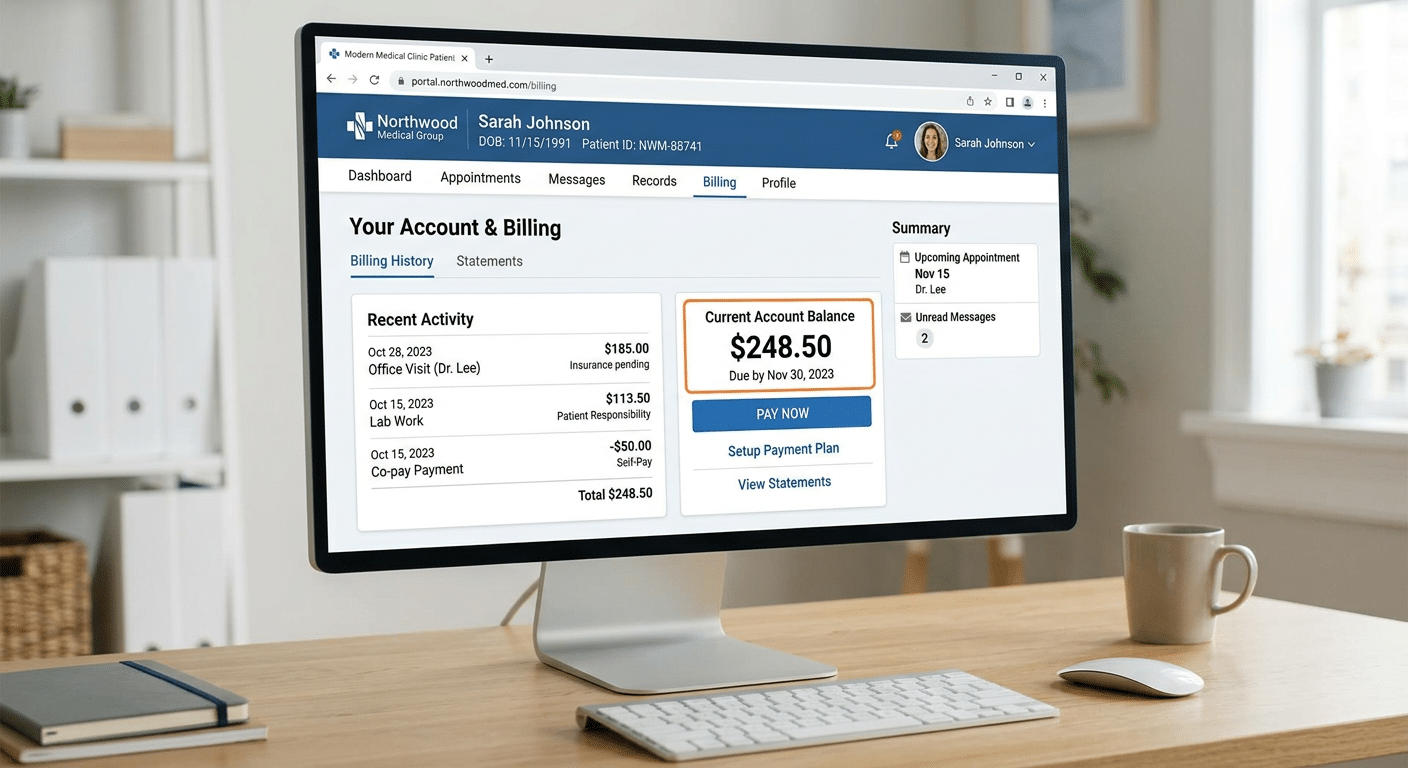
Effective communication strategies include welcome emails that clearly outline billing cycles, renewal notifications sent 7-10 days before each charge, and readily accessible customer service contact information. Consider implementing a customer portal where subscribers can easily view their payment history, modify their subscription, or cancel their service without requiring phone support. This self-service approach reduces friction and prevents customers from resorting to chargebacks as a means of canceling their subscription[3].
Leveraging Technology for Chargeback Prevention
Modern payment processing technology offers sophisticated tools for identifying and preventing potential chargebacks before they occur. Advanced fraud detection systems can flag suspicious transactions, unusual spending patterns, or high-risk customer behaviors that may lead to disputes. These systems integrate with your existing payment infrastructure and work alongside your chosen merchant processing companies to provide real-time risk assessment and automated responses to potential threats.
Machine learning algorithms can analyze customer behavior patterns, payment history, and interaction data to predict which subscribers are most likely to file chargebacks. This predictive capability allows businesses to proactively reach out to at-risk customers, offer account modifications, or implement retention strategies before disputes escalate. Additionally, implementing robust authentication measures during the initial signup process helps ensure legitimate customers and reduces fraudulent subscriptions that often result in chargebacks.
Building Strong Customer Retention Programs
Customer satisfaction and retention directly correlate with reduced chargeback rates, making retention programs essential for high-risk subscription businesses. Satisfied customers who receive value from their subscriptions are significantly less likely to dispute charges or seek chargebacks as a cancellation method. Regular engagement through personalized content, exclusive offers, and responsive customer service builds loyalty and reduces churn-related disputes.
Consider implementing flexible payment options to accommodate customers experiencing financial difficulties. While services like Venmo have limitations—the maximum Venmo transfer amount is $4,999.99 per week for verified accounts—offering alternative payment methods or temporary payment suspensions can prevent customers from resorting to chargebacks when facing temporary financial constraints[4]. Loyalty programs, usage-based billing adjustments, and win-back campaigns for customers attempting to cancel can also reduce the likelihood of chargeback disputes.

Establishing Robust Documentation Processes
Comprehensive documentation proves crucial when disputing illegitimate chargebacks and demonstrating customer authorization for recurring charges. High-risk businesses must maintain detailed records of customer interactions, authorization confirmations, service delivery, and communication attempts. This documentation serves as evidence when responding to chargeback disputes and can significantly improve your win rate in representment cases[5].
Your documentation system should capture IP addresses during signup, maintain records of customer service interactions, and log all communication attempts regarding billing issues or account modifications. Screenshots of service delivery, tracking information for physical products, and timestamped records of customer portal activity all contribute to building strong cases against invalid chargebacks. Working with online merchant account providers that offer integrated documentation tools can streamline this process while ensuring compliance with industry standards.
Regulatory Considerations for Embedded Payments
High-risk subscription businesses benefit significantly from partnering with payment processors that specialize in challenging industries and understand the unique chargeback risks involved. These specialized merchant processing companies offer tailored solutions, including higher chargeback thresholds, advanced fraud detection tools, and dedicated support teams experienced in managing high-risk accounts. Unlike traditional processors that may terminate accounts after reaching standard chargeback ratios, specialized providers work collaboratively to implement prevention strategies and maintain processing capabilities.
When evaluating payment processors, consider their experience with your specific industry, available fraud prevention tools, chargeback management services, and fee structures for high-risk accounts. Many specialized processors offer comprehensive chargeback prevention services, including real-time alerts, automated response systems, and expert guidance on industry best practices. This partnership approach ensures your payment processing remains stable while implementing effective chargeback reduction strategies that protect your long-term business viability.

In Conclusion
Successfully reducing subscription chargebacks for high-risk services requires a comprehensive approach that combines transparent billing practices, proactive customer communication, advanced technology solutions, and strategic partnerships with specialized payment processors like Payment Nerds who are equipped to handle such businesses payment solutions. By implementing these strategies systematically and maintaining detailed documentation processes, high-risk subscription businesses can significantly reduce their chargeback ratios while improving customer satisfaction and retention. The key lies in treating chargeback prevention as an ongoing business process rather than a reactive measure, ensuring sustainable growth and long-term payment processing stability in challenging industries.
Sources
- Chargeback Gurus. “The Three Types of Payment Reversals.” Accessed June 2025.
- Brownstein. “Federal and State Regulators Increase Scrutiny of Casino AML Practices.” Accessed June 2025.
- Chargeback.io. “Top 10 Methods on How Subscription Businesses Can Reduce Chargebacks." Accessed June 2025.
- Chargeblast. “The Full Guide to Understanding Venmo Chargebacks & Disputes.” Accessed June 2025.
- PDC Flow “Chargeback prevention Tips for High Risk Businesses” Accessed June 2025.