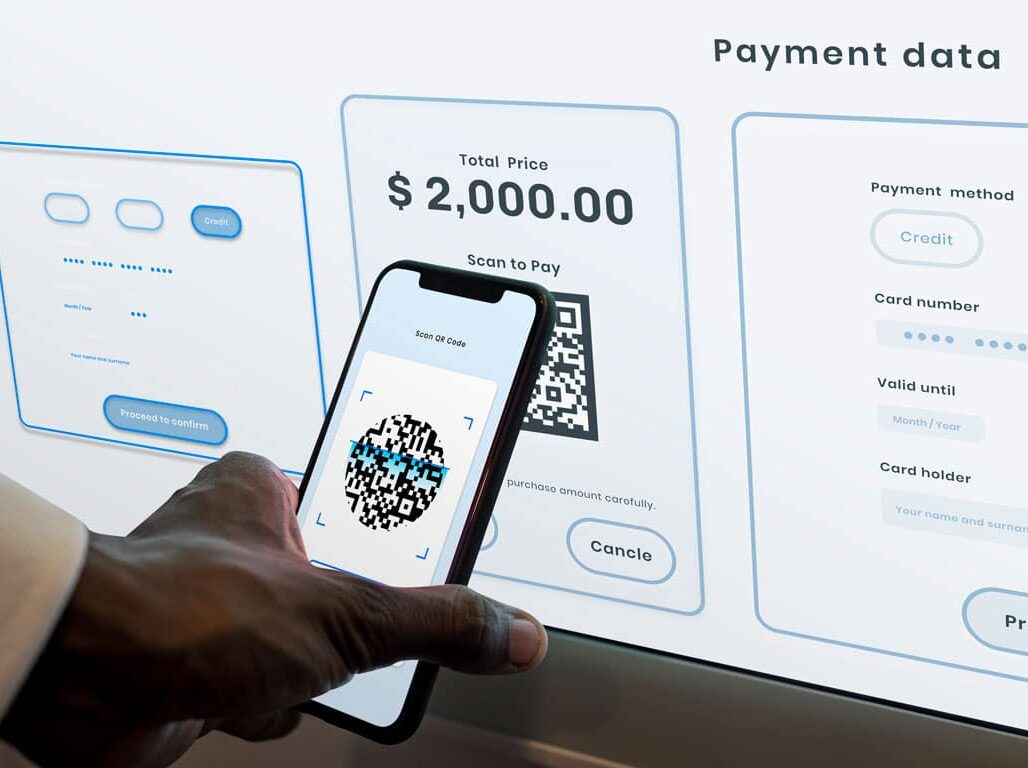



Many high-risk merchants will focus on getting approved for payment processing first. This makes sense for merchants that have been declined, terminated, or placed on reserve with a mainstream payment processor. Yet this is only one part of the payment-processing strategy for merchants.
Once merchants have payment processing enabled, the treasuries and reserves department will determine how effectively the merchant can use cash from their business. Quality treasury management services will provide merchants with insight into their reserves, ACH movements, refunds, chargebacks, transactions, and any accounting or financial risks before any issues arise in the business operations.
Why High-Risk Merchants Need Specialized Treasury Payment Solutions
High-risk merchants experience greater payment volatility than other businesses. Payment volumes can fluctuate; refunds may be issued for specific products; payment disputes may occur after a marketing campaign; or businesses may experience delayed payments and reduced reserves.
Treasury payment solutions can help high-risk merchants manage these various aspects of their business. Where most merchants may be asking questions like “How much did we process today?,” high-risk merchants must ask more detailed questions like “How much will we receive? When will the funds clear the bank? Are there any reserves? What payments may reverse and what risks are associated with these payments?”
The digital age allows merchants to process an enormous volume of payments via ACH or card payments. According to Nacha, the ACH Network is responsible for 35.2 billion ACH payments worth $93 trillion in 2025 alone. For high-risk merchants that use both ACH and card payments, this volume makes it even more essential to have visibility into their payments and bank accounts.
Why Reserve Management Matters for High-Risk Merchants
A reserve is money a payment processing company holds for a merchant to protect against future chargebacks, refunds, fraud, or account losses. High-risk merchants typically have reserves established with them due to the increased risk the payment processor must assume compared to a low-risk retailer that accepts cards.
Reserve management matters to merchants because the money in these reserves impacts a company’s working capital. It is possible for a merchant to have excellent sales of their products or services, but insufficient working capital if too much of their income is tied up in these reserves.
While the goal is not to maintain reserves with a merchant payment processor, there are situations in which a reserve can help a merchant obtain approval for a payment processing account. The better goal, however, is for merchants to understand how reserves work and to develop the processing history necessary to request better terms from their payment processor in the future.
Who Needs Treasury and Reserve Management Services
This guide is most useful for:
- high-risk ecommerce merchants
- subscription and continuity businesses
- CBD, vape, adult, travel, nutraceutical and gaming-adjacent merchants
- businesses using ACH, cards, wires, or multiple processors
- merchants with rolling reserves or payout holds
- companies with high refund or chargeback exposure
- merchants recovering from a processor shutdown
- finance teams managing settlement, reconciliation and working capital
- businesses using multiple merchant accounts or MIDs
- operators comparing treasury management services and merchant account support
The more your business depends on card-not-present payments, recurring billing, high ticket sizes, fast volume growth, supplier payments, ACH, or multiple payment rails, the more important treasury planning becomes. Payment processing tells you what was authorized. Treasury management tells you how much cash the business can actually use.
Treasury Management Solutions Compared
High-risk merchants can manage their treasury and reserves using various tools. The right setup depends on transaction volume, risk profile, payment methods, accounting workflow, and the level of visibility the finance team needs.
| Option | Best For | Main Strength | Main Tradeoff |
|---|---|---|---|
| Processor Settlement Reports | Smaller merchants tracking card payouts | Shows batches, deposits, fees and chargebacks | Limited visibility across ACH, banks and accounting systems |
| Treasury Management Services | Merchants needing cash visibility and payment control | Connects settlement, reserves, bank movement and reporting | Requires setup and consistent data review |
| ACH and Bank Payment Tools | B2B, invoice and subscription merchants | Supports bank-based payment movement and cash planning | Requires return monitoring and authorization controls |
| ERP or Accounting Integration | Finance-led merchants with complex reconciliation | Connects payment data to invoices, deposits and GL records | Needs clean integration and mapping |
| Multi-MID or Backup Processing Strategy | High-risk merchants reducing processor disruption | Adds redundancy and routing flexibility | Requires careful reporting and compliance management |
| Reserve and Risk Monitoring | Merchants with holds, reserves, or VAMP exposure | Helps track account-health signals before escalation | Does not replace strong refund and fraud controls |
For most high-risk merchants, treasury management is not one tool. It is the combination of settlement reporting, reserve tracking, ACH controls, accounting integration, fraud monitoring and processor communication.
Treasury Payment Solutions and Providers Compared
The best provider depends on whether the merchant needs high-risk merchant account support, ACH, reconciliation, ERP integration, reserve tracking, chargeback visibility, or broader treasury tools.
| Provider or Tool | Best Fit | Key Strength | Main Tradeoff |
| Payment Nerds | High-risk merchants that need payment strategy, reserve visibility, ACH, processor fit and account stability | Strong fit for treasury payment solutions, high-risk merchant accounts, reserve planning, VAMP monitoring, ACH, gateway guidance and reconciliation strategy | More consultative than a standalone treasury dashboard |
| J.P. Morgan Treasury Services | Larger companies needing bank-led treasury, liquidity and global cash-management tools | Broad treasury services including payables, receivables, liquidity and account structures | Best suited for enterprise banking relationships |
| Versapay | B2B merchants focused on invoice-to-cash and AR automation | Strong receivables, customer portals, ERP payments and reconciliation tools | More AR-focused than high-risk account strategy |
| NMI | Merchants needing gateway-level reporting and omnichannel payment connectivity | Supports ecommerce, in-person, mobile and integrated payment workflows | Needs the right acquiring relationship and treasury process around it |
| Bank Treasury Portal | Merchants that want bank-account visibility and cash movement | Useful for ACH, wires, balances and approvals | May not connect fully to processor, gateway, reserve, or chargeback data |
| Accounting or ERP System | Merchants managing payments through finance workflows | Connects deposits, invoices and GL records | Depends on integration quality and payment-data mapping |
These are fit-based comparisons, not universal rankings. A high-risk ecommerce merchant, B2B supplier, subscription business and multi-location operator may all need different treasury management services.
Understanding VAMP for Treasury Management
VAMP impacts the treasury department due to fraud and disputes. If a merchant has a high VAMP ratio, the payment processing company will require more monitoring of the merchant’s accounts, require higher reserves, lower spending limits, or require a plan to address the high VAMP ratio.
High-risk merchants have numerous reasons for high VAMP ratios: friendly fraud, fraud-related issues with subscription or fulfillment companies, card testing, unclear descriptors, poor customer support, and more. These issues impact the company’s deposits and working capital.
Enumeration attacks are also a part of the VAMP ratio. Enumeration attacks involve bots trying numerous card numbers on a merchant’s checkout page. The hackers are attempting to use stolen card details. The enumeration ratio is the number of suspected card testing transactions divided by the total number of authorization transactions. For high-risk merchants, monitoring enumeration attacks is essential. These attacks will impact the treasury department and reserves of the high-risk company.
Building a Treasury Strategy for High-Risk Payments
Start by mapping every way money enters and leaves the business. That includes card deposits, ACH payments, wires, refunds, chargebacks, reserves, supplier payments, payroll, ad spend, software fees, taxes and processor fees.
Then build a weekly payment review around the numbers that matter:
- total authorized volume
- settled deposits
- pending payouts
- reserve balance
- reserve release schedule
- refunds by product or channel
- chargebacks by reason code
- ACH returns
- gateway declines
- failed authorization spikes
- processor fees
- VAMP ratio exposure
- cash needed for fulfillment, ads and payroll
The goal is to manage cash and risk together. A high sales week may still be a treasury warning if refunds, failed payments, chargebacks, reserves, or fulfillment obligations are rising simultaneously.
Treasury Management Services Costs Explained
The cost of treasury management services for merchants depends on several business-related factors, such as size, the number of payment channels it uses, and ACH transaction volume. Some of the best tools for managing treasury functions are available in payment processor and bank portals, while more advanced software solutions can automate treasury, ERP, and AR systems at a higher cost.
For merchants in high-risk industries, it is important to consider the various problems that can arise from implementing treasury management software. By using such software, merchants can avoid issues such as overdrafts, missed supplier payments, poor ad spend, and manual bank account reconciliation errors. Additionally, by better understanding the risks related to their business, merchants can address issues such as refund returns, chargebacks, and VAMPs before they negatively impact their accounts.
The cheapest option for managing a merchant’s treasury is not always the best option. For merchants that manage high volumes of high-risk transactions, the software needs to provide sufficient visibility into their available cash, risk, and transaction timing to support effective management and business decision-making.
Common Reserve Management Mistakes to Avoid
The biggest mistake with merchant reserve management is treating it like a mystery of what the merchant processing company has programmed for them. Instead, merchants should have a clear understanding of the percentage of their sales that will go into reserve, how long those sales will remain on reserve, and the conditions under which the reserve will be released.
Another mistake many merchants make in reserve management is basing their sales and revenue projections on gross sales figures. This does not account for returns, chargebacks, fees, or the sales that go into their reserve. For high-risk merchants, it is better to base their sales and revenue projections on the net sales they can actually receive.
Finally, another avoidable mistake with reserve management is failing to consider the risk of the sales that they make. A merchant could have significant sales and revenue, but if they have high volumes of VAMP sales, chargebacks, failed sales, or sales that are reflected in their reviews of their merchant processing account, they may have issues with their treasury. Therefore, managing their reserves and their treasuries should be linked to the health and status of their merchant account.
Key Treasury Features for High-Risk Merchants
Cash Visibility Across Payment Channels
High-risk merchants need to see the movement of the cash across all of their payment channels: cards, ACH, wires, refunds, chargebacks and deposits into the merchant’s bank account from these processors. A sales report is not sufficient to show high-risk merchants the movement of the cash; sales does not always equal the available cash. The ability to view the high-risk merchant’s cash allows the business to answer important questions about that available cash: How much is incoming via sales? How much is being held by the processors? How much will settle into the merchant’s bank account this coming week? From which processing channel did which bank deposit arrive? What refunds reduced the high-risk merchant’s payout this processing day? Without visibility into these metrics, it is nearly impossible to accurately manage the high-risk merchant’s available cash.
Reserve Tracking and Release Planning
A reserve tracking feature for a high-risk merchant should reveal how much money is being held by the merchant’s processors, on how many days the money will be released, and what sales or transaction metrics can be used to reduce that reserve balance. High-risk merchants frequently use rolling reserves, in which a percentage of the merchant’s sales each day are to be held, and are then released after a period of time. Tracking reserves is a function of the high-risk merchant’s treasury department and not of the processors who handle the merchant’s payments. High-risk merchants should not need to monitor the release of reserves from the processors’ dashboards; if they are not able to see these metrics within their accounts, they cannot accurately manage their business’s finances.
ACH, Wires and Bank Movement
ACH and wire transfers are often used in addition to card payments by high-risk merchants. ACH can be used for B2B invoices, B2B payments to suppliers, high-ticket sales to customers who prefer to have their payments go directly to their bank accounts. Wires are often used for urgency in merchant requirements; for instance, wires can be used for high-risk merchants who must send funds quickly to a supplier or to another country. ACH and bank movements must be controlled by the merchant by high-risk merchants who wish to accurately track sales that are made via ACH and bank to customers. For instance, high-risk merchants can track ACH returns, unauthorized ACH returns, ACH account validations, and the timing of ACH payments. According to the AFP’s 2026 Payments Fraud and Control Survey, 58% of organizations experienced check fraud in the year 2025. High-risk merchants may wish to avoid such fraudulent sales, therefore, they are likely to use ACH and other controls over their banking activity.
Reconciliation and Transaction Management
Reconciliation of sales from a high-risk merchant’s POS system can be performed with transaction management software that allows each sale to be correlated to an order, invoice, customer, batch, deposit, fees, reserves, refunds and chargebacks. High-risk merchants often have chargebacks to keep track of; reconciliation software will reduce the high-risk merchant’s need to create reports with spreadsheets of sales and payments. Instead, each payment can be correlated to another sales record, account or report.
VAMP and Chargeback Monitoring
VAMP stands for Visa Acquirer Monitoring Program. VAMP is a program that combines the efforts of Visa to monitor both fraud and chargebacks that occur with high-risk merchants. The VAMP ratio calculates the number of sales that are made that are later found to be fraudulent or chargebacks divided by the total number of transactions that were settled with Visa payments. The treasury department for the high-risk merchant should monitor VAMP metrics because the fraudulent sales and chargebacks will impact the sales and income for the high-risk merchant. Any sales that are deemed to be fraudulent are lost income for that business; chargebacks to customers also reduce the high-risk merchant’s cash inflow; fees impact the high-risk merchant’s income; and high-risk merchants may also have reserves with their processors, which increase with an increased likelihood that their sales will be fraudulent. VAMP should be monitored by the high-risk merchant’s treasury and not after they are notified of the chargebacks or the fraud by their processing companies.
Multi-Account and Processor Redundancy
Some high-risk merchants will use multiple merchant accounts, or they may use multiple processing companies (backup processors) or have a multi-MID strategy. High-risk merchants may require the use of multiple merchant accounts or processors in order to ensure that if one merchant or processing account is reviewed by the processors, it will not impact the high-risk merchant’s sales and ability to receive their cash from sales. However, such redundancy must be carefully managed by the high-risk merchant.
FAQs About Treasury and Reserve Management
Q: What are treasury management services?
A: Treasury management services assist with managing an organization’s cash, payments, bank account information, and liquidity. These services are beneficial for high-risk merchants that must directly relate their payment processing to their financial planning.
Q: What are treasury payment solutions?
A: These solutions make it easier for a company to manage its payments to various accounts. This can include cards, ACH, wires, bank accounts, and payment gateways. These solutions help companies gain a better understanding of their payments and the impact of fees on their bank accounts.
Q: What are transaction management services?
A: These services make it easier for a merchant to manage their payments from start to finish. This includes payments made to their customers, refunds, chargebacks, reserves, and bank account reconciliations. These can be beneficial for high-risk merchants who must provide thorough reports on their transactions.
Q: Why do high-risk merchants have reserves?
A: High-risk merchants have reserves placed as a means of protecting their payment processors from chargebacks, refunds, fraud, and more. The reserve allows their payment processor to retain some of the funds from their transactions for a defined period.
Q: How can treasury management reduce a company’s account risk?
A: Treasury management can help to reduce a company’s account risk by giving them greater visibility into their chargebacks, refunds, VAMP activity, reserves, and failed payments. If a company can monitor these accounts effectively, they can act before the processor reviews their account.
Q: What is VAMP and how does it relate to treasury management for merchants?
A: VAMP is a program that performs fraud and dispute reports for merchants using Visa payments. These reports can impact a company’s chargebacks, fees, reserves, and limits on their payment processing accounts.
Q: Can Payment Nerds assist with reserve management for high-risk merchants?
A: Payment Nerds can assist high-risk merchants with understanding their reserve requirements, payment processors, payment solutions, ACH payments, and how to monitor their accounts to avoid any issues in their treasury department or accounting department.
Conclusion
Merchant treasury and reserve management allows high-risk merchants to better understand the cash in their business, the funds held, and the risks associated with their payment-processing businesses after authorization. High-risk merchants need this payment processor function to maintain their business stability.
If you are in need of treasury management services, payment solutions, and transaction management services for your high-risk payments, Payment Nerds can help you with your requirements for this service. We want to assist high-risk merchants not only with processing payments but also with managing their cash, reserve, and account risks with visibility into their accounts and businesses that will keep them running smoothly.
Sources
- Nacha. “ACH Network Volume and Value Statistics.” Accessed June 2026.
- Association for Financial Professionals. “2026 AFP Payments Fraud and Control Survey Report.” Accessed June 2026.
- PwC. “2025 Global Treasury Survey.” Accessed June 2026.
- J.P. Morgan. “Explore Corporate Treasury Solutions & Services.” Accessed June 2026.
- J.P. Morgan. “Liquidity Solutions for Corporate Treasury Cash Management.” Accessed June 2026.
- Versapay. “Accounts Receivable Automation Software.” Accessed June 2026.
- Versapay. “ERP Payment Integrations.” Accessed June 2026.
- NMI. “Full Commerce Enablement.” Accessed June 2026.
- Visa. “Visa Acquirer Monitoring Program Fact Sheet.” Accessed June 2026.
- PCI Security Standards Council. “Merchant Resources.” Accessed June 2026.