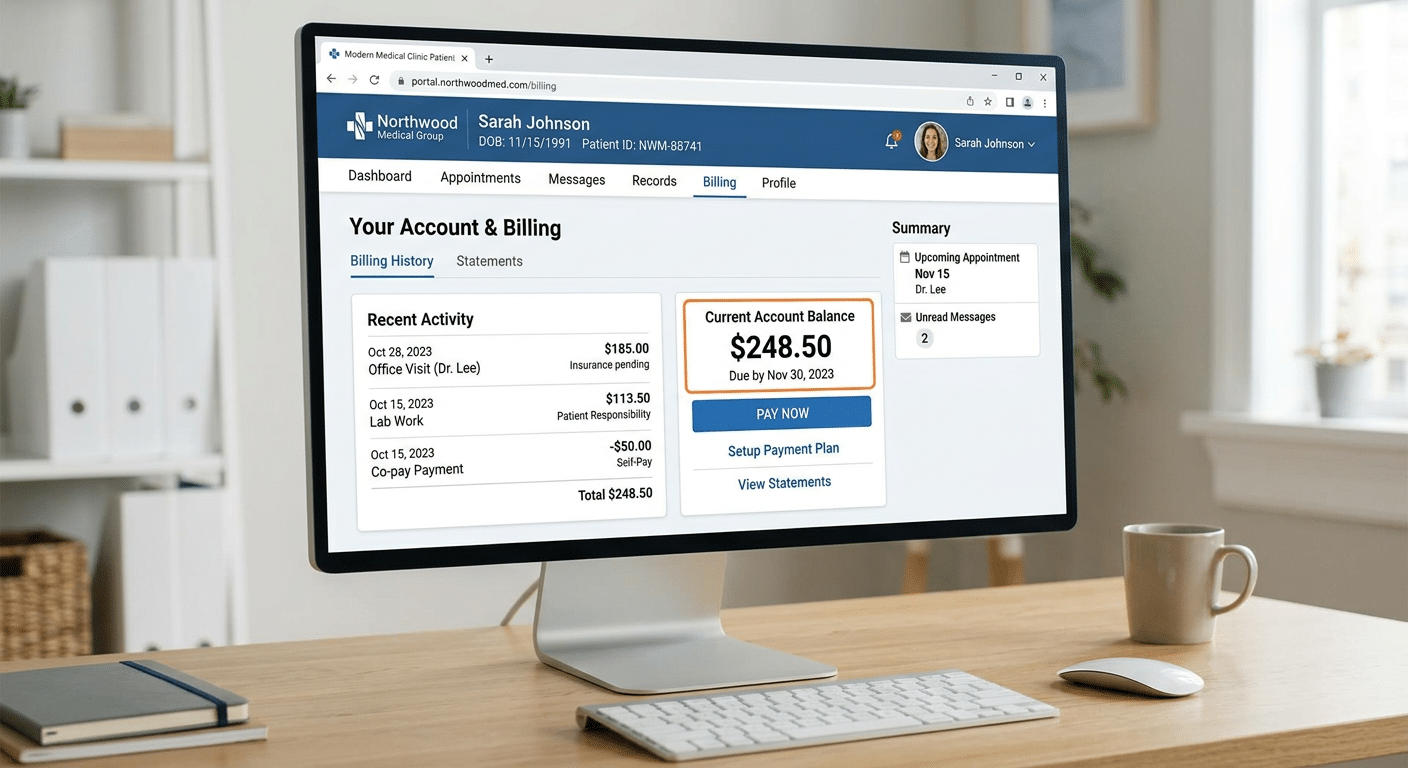



While chargeback prevention focused mostly on dispute ratios, the Visa Acquirer Monitoring Program (VAMP) requires merchants to think more broadly about fraud and chargeback prevention. Fraud reports, non-fraud disputes, and card-testing activity can all impact a merchant’s processor.
Thus, the best chargeback prevention strategies go beyond learning how to win a chargeback dispute. Instead, merchants should focus on preventing fraudulent transactions, reducing customer confusion, resolving customer complaints quickly, and monitoring their accounts for any signals that may prompt review by the processing company.
Why Chargeback Prevention Has Changed Under Visa VAMP
The Visa Acquirer Monitoring Program (VAMP) combines fraud and chargeback monitoring into a single program. The VAMP ratio is the number of fraud reports and nonfraud chargebacks divided by the total number of settled Visa transactions. TC40 is the number of Visa fraud reports while TC15 is the number of Visa transactions that resulted in chargebacks or disputes.
Under VAMP, fraud is no longer separate from chargebacks and customer service issues for merchants. The source of the fraud could have been a confusing subscription offer, a delayed refund process, or even traffic from individuals testing the website’s security.
Understanding Visa VAMP Chargeback Thresholds
The term “Visa VAMP chargeback thresholds” is common in conversation but not entirely accurate. VAMP does not measure chargebacks. VAMP measures the ratio of fraudulent transactions and chargebacks.
For AP, Canada, the EU, and the United States, the threshold is set at 220 basis points and will be reduced to 150 basis points on April 1, 2026. Additionally, merchants in these regions must incur at least 1,500 instances of fraud and chargebacks each month to be affected by this threshold.
This is the limit for merchants, but it is not the target that merchants and payment processors should aim for when maintaining a healthy number of transactions. The processor may take action before reaching this threshold if the number of fraud and chargebacks is trending in the wrong direction.
Effective Chargeback Prevention Strategies
The best strategy is layered. One tool rarely fixes the whole problem.
| Strategy | What It Prevents | How It Helps Under VAMP |
|---|---|---|
| Clear Billing Descriptors | “I don’t recognize this” disputes | Reduces avoidable customer confusion |
| Strong Refund Policies | Refund-delay chargebacks | Gives customers a path before they call the bank |
| Fast Customer Support | First-party misuse and frustration disputes | Resolves issues before they escalate |
| Fraud Scoring | Stolen card transactions | Reduces TC40 fraud reports |
| AVS, CVV and Velocity Rules | Basic card-not-present fraud | Blocks suspicious order patterns |
| 3DS Step-Up Rules | Higher-risk ecommerce transactions | Adds authentication when risk is elevated |
| Chargeback Alerts | Disputes that can be resolved early | Creates a chance to refund before chargeback escalation |
| Verifi RDR / CDRN | Visa pre-disputes | Can resolve certain cases before they become formal disputes |
| Ethoca Alerts | Fraud and dispute alerts from issuers | Helps stop fulfillment or refund quickly |
| Root-Cause Reporting | Repeat problems by product, offer or campaign | Shows what is driving the VAMP ratio |
The point is not to refund every unhappy customer or block every risky-looking order. The point is to know which transactions, products, campaigns and billing flows create the most exposure.
How to Prevent Chargebacks by Identifying the Root Cause
When merchants ask how to prevent chargebacks, they should first consider the type of chargeback. The approaches to fixing fraud chargebacks are notably different from those for subscription chargebacks, fulfillment issues, or delayed refunds.
If the issue is fraud, focus on fraud scoring, velocity rules, 3DS, bots, AVS, CVV, and manual charges for suspicious orders. If the issue is customer confusion, adjust the descriptors and focus on receipts, subscription renewals, and customer service response time. If the issue is with fulfillment, focus on proof of delivery, tracking, and proactively informing customers of potential delays.
For high-risk merchants that frequently face chargebacks, understanding the root of each chargeback is even more important. These merchants likely experience stricter underwriting terms from the payment processor. Every chargeable dispute has the potential to impact the merchant’s approval status with the processor.
How Enumeration Affects Chargeback Prevention
The Visa Acquirer Monitoring Program (VAMP) also includes monitoring for enumeration attacks. Enumeration attacks occur when bots test cards at checkout. The enumeration ratio is the number of suspected attempts to test cards divided by the total number of authorization attempts for that merchant. VAAI stands for Visa Account Attack Intelligence and is the score Visa uses to indicate whether enumeration attacks are present.
Enumeration is not the same as chargebacks. However, merchants might see spikes in failed authorizations, numerous low-dollar chargebacks from the same cardholders, or high decline rates for transactions that do not exhibit typical customer behavior.
Because enumeration can result in account scrutiny from Visa, merchants can reduce enumeration attacks by deploying bots or CAPTCHA challenges in appropriate situations, implementing rate limiting on suspected bots, and using the fraud prevention tools available at the payment gateway.
Monthly Chargeback Monitoring Checklist
A monthly review should connect fraud, disputes and operations in one place.
Track:
- settled Visa transaction count
- TC40 fraud records
- TC15 disputes
- estimated Visa Acquirer Monitoring Program (VAMP) ratio
- refunds by reason
- failed authorizations and decline spikes
- chargebacks by product, plan, campaign or affiliate
- descriptor-related complaints
- cancellation and refund response times
- fulfillment delays and delivery proof gaps
- chargeback alert outcomes
- 3DS and fraud-rule changes
- next-month watchlist items
This turns merchant chargeback monitoring into an operating habit. The business should know what changed before the processor asks.
Common Chargeback Prevention Mistakes to Avoid
The biggest mistake is waiting for the chargeback before taking action. By the time the merchant gets around to doing something, the customer has already gone around the merchant.
Another mistake is leaping into technology without a plan. There are many tools to assist with chargebacks. However, if a merchant refunds everything that gets challenged, they are losing revenue. If they block all transactions, they are losing good customers. If they challenge every chargeback, they may not find the root cause.
The best approach is a balance of preventing fraud before authorization, resolving customer confusion before chargebacks and using representment only when necessary.
FAQs About Chargeback Prevention Under Visa VAMP
Q: What are the best chargeback prevention strategies under Visa VAMP?
A: Fraud scoring, descriptors, refund clarity, customer support, chargeback alerts, 3DS rules, Verifi tools, and Ethoca Alerts can help prevent chargebacks under Visa VAMP.
Q: What are Visa VAMP chargeback thresholds?
A: Visa VAMP chargeback thresholds usually refer to Visa Acquirer Monitoring Program (VAMP) merchant thresholds. However, VAMP is not chargeback-only as it combines TC40 fraud reports with TC15 disputes against settled Visa transactions.
Q: How can high-risk merchants prevent chargebacks?
A: Use fraud and dispute tracking tools to monitor chargebacks from high-risk merchants. These can track fraud, disputes, refunds, failed transactions, billing issues and more. Use fraud filters and better customer communication to resolve these issues.
Q: How can chargeback alerts help merchants under Visa VAMP?
A: Visa VAMP chargeback alerts can help merchants respond to disputes before they become chargebacks. Depending on the alert, merchants can usually resolve the issue and issue a refund to the customer before a chargeback occurs.
Q: Does 3DS help to prevent chargebacks?
A: 3DS can help prevent fraud, which may result in chargebacks. However, it should be used strategically, as it can pose a problem for high-risk merchants, who may see a drop in sales due to added authentication requirements at checkout.
Q: What is enumeration under Visa Acquirer Monitoring Program (VAMP)?
A: Enumeration is when bots test credit cards on a merchant’s checkout page. This activity creates its own separate monitoring concerns under Visa Acquirer Monitoring Program (VAMP).
Q: How often should merchants review their chargeback data?
A: Reviewing chargeback data is recommended on a monthly basis for most merchants. However, merchants with high-risk chargebacks or high-risk categories (paid traffic, subscriptions, digital goods, high-ticket items) should review their chargebacks weekly.
Q: Can Payment Nerds assist with chargeback prevention?
A: Yes. Payment Nerds can review chargeback prevention for eligible merchants, including Visa VAMP chargeback thresholds, high-risk merchant chargebacks, fraud prevention tools, gateway settings and more.
Conclusion
Visa Acquirer Monitoring Program chargeback prevention is more than just a response to chargebacks. It’s about reducing fraud and making sure customers aren’t confused in the process. Monitoring and fixing the processes that create chargebacks will go a long way toward reducing the number of chargebacks merchants face.
Payment Nerds can help merchants compare chargeback prevention programs, assess Visa VAMP chargeback thresholds, and create a monitoring program for chargebacks from high-risk merchants to protect their revenue and merchant account.