


Growth can cause payment problems for merchants who do not have accounts built for high volume. While the business may be experiencing rapid success with its initial launch, entering new markets, or introducing a large wholesale client, increased volume may cause payment delays or a review of the merchant account.
Thus, high-volume payment processing must be considered before the sales spike. The goal is to increase sales revenue while maintaining the company’s growth, as is common.
Why High-Volume Merchants Get Reviewed by Payment Processors
Processors review high-volume merchants to mitigate the potential losses associated with high volume. If the volume of transactions for that merchant includes issues such as returns, chargebacks, fraud, or negative balances, the processor and bank may be responsible for those losses.
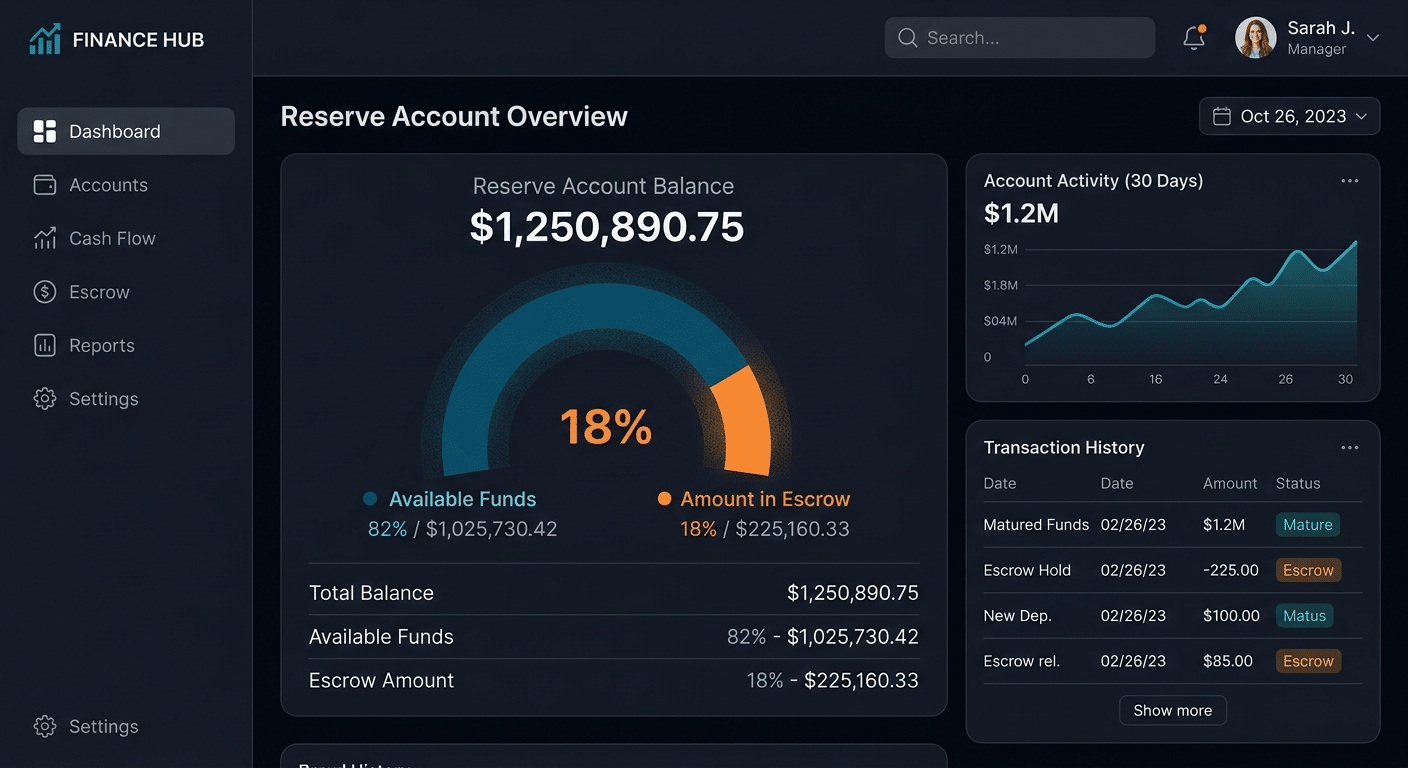
The review does not mean that the merchant did something wrong. The merchant may have been underwritten for lower volumes. Should the merchant experience a significant increase in sales volume, the processor may temporarily halt payouts until the merchant can provide documentation of the increase.
What Is a High-Volume Merchant Account?
There’s no hard-and-fast cutoff for what constitutes a high-volume merchant account. High-volume merchant accounts are underwritten for greater transaction volume, higher ticket sizes, and more complex merchant needs than standard small-business merchant accounts.
However, there are nuances to consider for risk assessment when underwriting for higher transaction volumes. For instance, a merchant who processes $100,000 in monthly sales in a low-risk category may have different underwriting considerations than another merchant who processes the same amount in a higher-risk category.
Standard vs. High-Volume Payment Processing Compared
High-volume merchants usually need more structure than a basic plug-and-play account.
| Payment Need | Standard Account | High-Volume Setup |
|---|---|---|
| Monthly Volume | Lower, predictable volume | Higher volume with growth planning |
| Ticket Size | Small to moderate tickets | Larger tickets, volume spikes or mixed tickets |
| Underwriting | Basic business review | Deeper review of financials, fulfillment, refunds and chargebacks |
| Funding | Standard payout schedule | Possible custom funding, reserve terms or volume limits |
| Gateway | Single gateway or platform | Gateway flexibility, routing or redundancy |
| Fraud Controls | Basic AVS, CVV and rules | Fraud scoring, 3DS, velocity rules and monitoring |
| Reporting | Standard dashboard | Payment analytics by channel, product, MID and location |
| Support | General support queue | More direct processor and account-management communication |
The stronger setup is usually worth it when payments become part of the business infrastructure. At high volume, a small approval-rate change, reserve change or funding delay can affect cash flow quickly.
How to Scale Your Business Without Account Holds
Proactively disclosing upcoming increases in sales volume to the card processor is the first step in ensuring the account will not be on hold during periods of increased sales. Such disclosure may be made in the case of a product launch, an increase in seasonal products, paid media initiatives, or even changes to wholesale contracts and pricing.
The second step is to keep accurate business and sales records. Should the card processing company request these records, the business will have them in order and be able to provide them.
The third step is to use a variety of payment methods. High-volume businesses should not rely upon only one card processing company. Using ACH payments, eCheck payments, secondary gateways, MOTO controls, and other payment methods can help ensure the business does not experience difficulties with any single payment method or account.
Best High-Volume Merchant Services to Prioritize
The best high-volume merchant services should make scaling easier to explain, monitor, and defend.
Prioritize:
- accurate volume and ticket-size underwriting
- clear reserve and funding terms
- gateway flexibility
- ACH and eCheck options
- fraud scoring and velocity controls
- 3DS step-up rules for risky transactions
- chargeback alerts and representment support
- reporting by product, channel, MID and campaign
- customer support and refund tracking
- accounting, ERP, CRM or data warehouse integrations
- processor communication before growth events
- backup processing or routing strategy where appropriate
A high-volume account should not only approve more payments. It should help the business understand why payments are approved, declined, refunded or disputed.
When Businesses Need Enterprise Payment Processing
When the complexity of payments begins to impact a business’s operations, enterprise payment processing becomes necessary. Factors such as multiple channels, locations, and payment gateways; high monthly transaction volumes; B2B invoices; subscription revenues; international customers; high rates of declined payments; and reliance on teams to manually reconcile payments with sales volumes indicate that a business should consider implementing an enterprise payment solution.
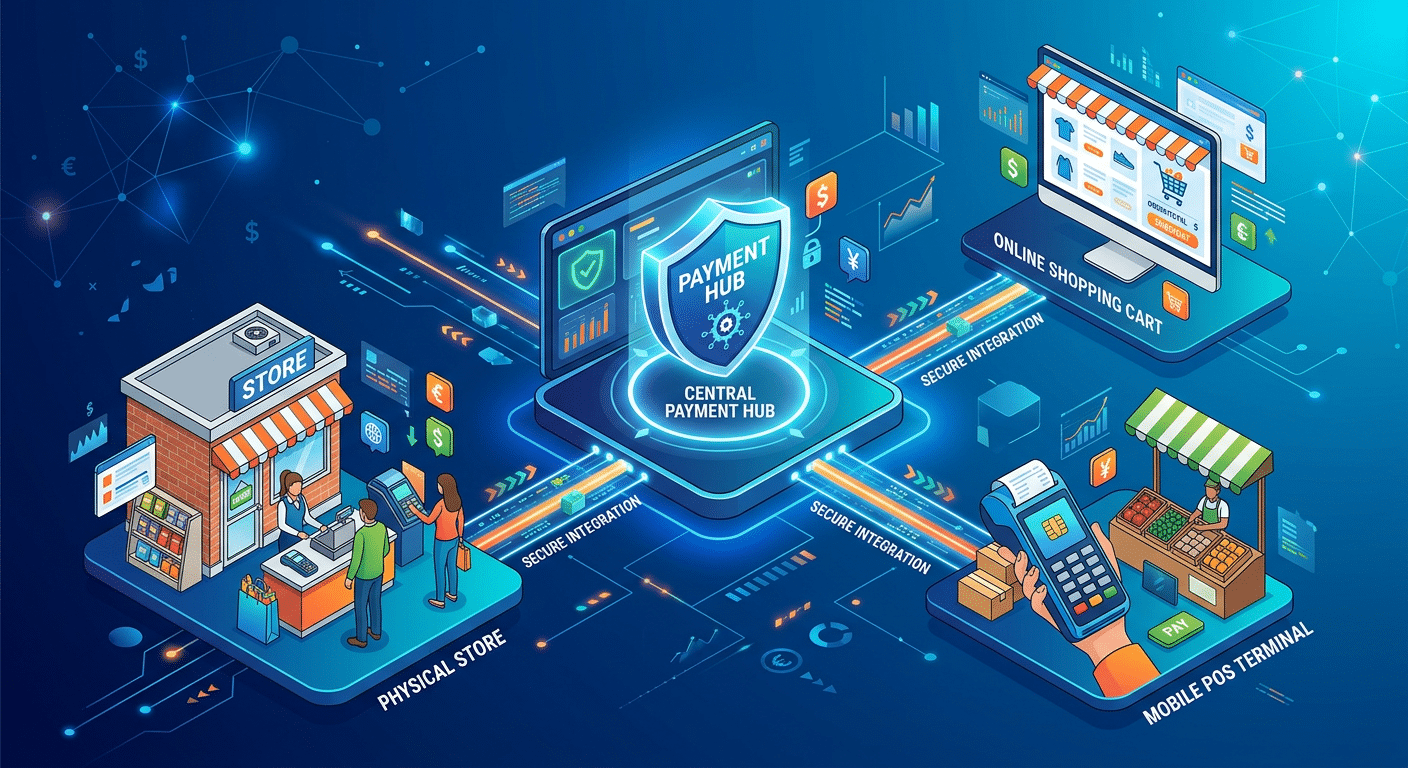
Features typically included in an enterprise payment solution include integration with APIs, webhooks, accounting software, customer databases, payment orchestration systems, tokenization systems, account-updating tools, issuer routing preferences, automatic payment retries, fraud detection software, and custom reporting systems. These features are not added to increase complexity in the payment process. Rather, they are implemented as a means of centrally managing payments before the business reaches a size and complexity that would render such oversight impossible.
How Visa VAMP Affects High-Volume Merchants
The Visa Acquirer Monitoring Program (VAMP) is a program that Visa uses to monitor for fraud and disputes. The VAMP ratio is the number of fraud and non-fraud disputes divided by the number of settled transactions. Visa’s TC40 is the number of fraud reports they receive and their TC15 is the number of transactions that are disputed or result in chargebacks.
The higher the volume of merchants in a given area, the more important it is to monitor VAMP. High-volume merchants have enough transactions to detect patterns in fraud and disputes if they are reviewed together.
VAMP also monitors for enumeration attacks on websites. Enumeration attacks happen when bots attempt to use various credit cards on a website checkout page. The enumeration ratio for a merchant is the number of suspected enumeration attacks divided by the number of authorization attempts on a website.
High-volume merchants should also monitor their account for various categories of sales and traffic. If one offer or checkout program generates fraud and disputes, the merchant should be aware of this before the processing company is made aware.
Common High-Volume Payment Processing Mistakes to Avoid
The biggest mistake is scaling the business before the account is underwritten for the expected transaction volume. Running a sale or entering into a major contract through a low-volume account can result in the hold that was avoided when building the business.
Another common mistake is only optimizing for the lowest rate. High-volume merchants should look at all the different metrics for each payment processor, including the rate and the hold on funds after the merchant increases in size.
FAQs About High-Volume Payment Processing
Q: What is high volume payment processing?
A: High volume payment processing is payment processing for merchants with high sales, high ticket sizes, rapid growth, or complex business needs.
Q: What is a high volume merchant account?
A: A high volume merchant account is a merchant account underwritten for high sales, high tickets, or rapid growth.
Q: What are high volume merchant services?
A: High volume merchant services include card and ACH processing, gateway services, fraud, chargebacks, recurring billing, payment integrations, and merchant account management.
Q: Why do payment processors hold funds from merchants with high growth?
A: Processors may hold funds from merchants with high growth to evaluate if the merchant can fulfill orders and cover chargebacks and refunds.
Q: How can merchants avoid account holds?
A: Merchants can avoid account holds by having a growth plan for their business, fulfilling orders, maintaining low chargebacks, having control over refund requests, using available fraud software, and using a merchant account that can accommodate the sales volume of their business.
Q: When does a business need enterprise payment processing services?
A: A business may require enterprise payment processing if it has high transaction volumes, various sales channels, complex reporting needs, recurring product sales, international sales, multiple sales locations, and manual bank reconciliations.
Q: Do merchants that process high sales volumes need to maintain reserves?
A: Merchants that process high volumes of sales may have reserves if they are in a high-risk category, offer high-volume deliveries, sell products with high ticket sizes, or have high exposure to chargebacks. This is usually outlined in the merchant account approval process.
Q: Does the Visa Acquirer Monitoring Program (VAMP) impact merchants that process high volumes of sales?
A: The Visa Acquirer Monitoring Program (VAMP) does impact merchants that have high volumes of sales, as they need to track fraud, chargebacks, and enumeration by merchant channel, product, and sales gateway.
Q: Can Payment Nerds help merchants that process high volumes of sales to scale their business?
A: Yes! Payment Nerds can help merchants of all sizes compare high-volume payment processing companies and services to find the best fit for the business and its growth plans.
Conclusion
High-volume payment processing is not just about processing more transactions. It’s about creating a system that enables merchants, finance departments, and customers to trust the payment process.
Payment Nerds can help merchants compare high-volume payment processing solutions, high-volume merchant account options, high-volume merchant services, and enterprise payment processing solutions. Each solution will help merchants increase their revenue without facing holds on their merchant accounts.
Sources
- Stripe. “High-Risk Merchant Accounts Explained.” Accessed July 2026.
- Stripe Support. “Reserves: Frequently Asked Questions.” Accessed July 2026.
- Mordor Intelligence. “Payment Processor Market Size & Share Analysis.” Accessed July 2026.
- Visa. “Visa Acquirer Monitoring Program Fact Sheet.” Accessed July 2026.