

Buy Now, Pay Later (BNPL) services have rapidly transformed the ecommerce landscape, offering consumers flexible installment plans at the point of checkout. But as BNPL adoption accelerates, its influence on credit card processing strategy is undeniable. Merchants who once relied solely on traditional credit card payments must now adapt to new consumer preferences, integrate with alternative payment providers, and evaluate how these tools affect transaction costs and cash flow. For businesses in both low- and high-risk sectors, understanding the intersection of BNPL and credit card processing is crucial to staying competitive and meeting modern buyer expectations.
What Is BNPL and How Does It Work?
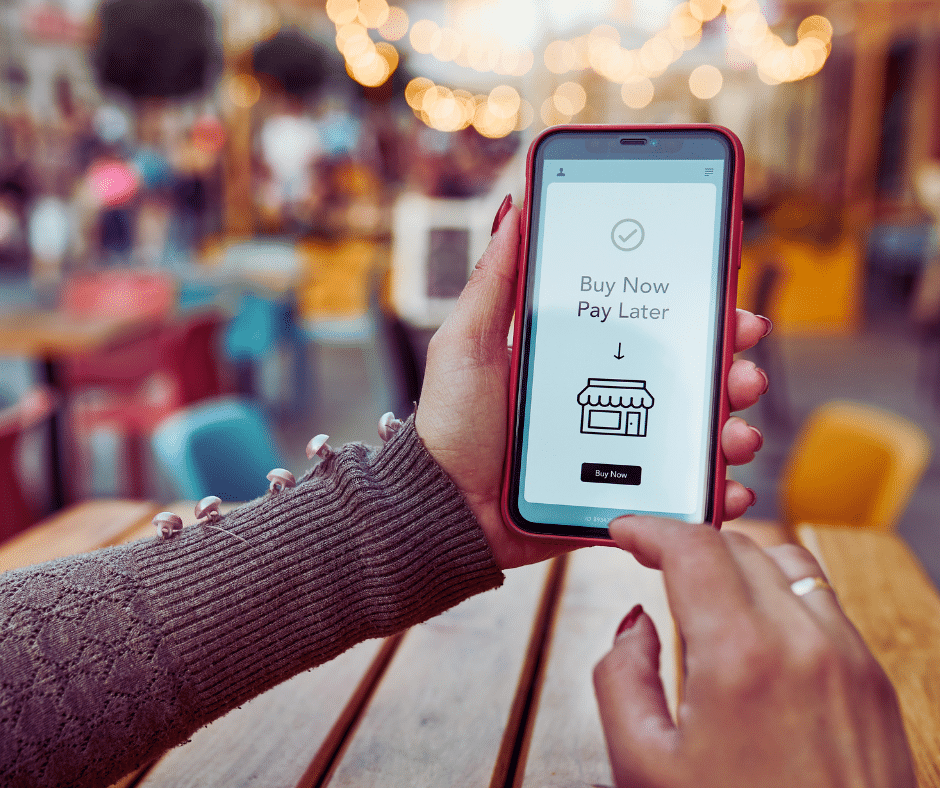
BNPL is a financing model that allows customers to split purchases into multiple payments, typically interest-free if paid on time. Providers like Affirm, Afterpay, Klarna, and Zip partner with merchants to offer this service directly at checkout. The merchant gets paid upfront—minus a processing fee—while the BNPL provider assumes the repayment risk[1]. These services appeal to shoppers who want credit-like flexibility without using traditional cards, and they’re especially popular among younger consumers and mobile-first buyers. Unlike credit cards, BNPL doesn’t require revolving credit or long-term approval processes, making it an increasingly accessible option.
How BNPL Affects Credit Card Processing Volumes
As more consumers opt for BNPL, merchants may see a decline in standard credit card transactions. This shift impacts overall processing volume and alters the payment mix, which can have both strategic and financial implications. Lower credit card usage may reduce interchange fees, but it could also affect your ability to negotiate favorable rates with your credit card processor if volume thresholds aren’t met[2]. Merchants need to monitor these changes closely, especially if their existing merchant service agreements are volume-dependent. Balancing BNPL and card acceptance becomes an important part of any forward-looking payment processing strategy.
BNPL for Credit Card Processing: A Strategic Add-On
Some businesses now view BNPL as an extension—not a replacement—of credit card processing. Providers like Mastercard and Visa are launching their own BNPL solutions, allowing cardholders to convert eligible purchases into installments after checkout. This model keeps the transaction within the traditional card processing system while offering BNPL flexibility. For merchants, this means they can support BNPL without needing separate providers or workflows[3]. The benefit is twofold: lower abandonment rates at checkout and continued participation in the credit card ecosystem. Integrating BNPL options through existing processors can enhance customer choice while maintaining operational continuity.
Fees and Revenue Considerations for BNPL Transactions
BNPL services typically charge merchants higher fees than standard credit card transactions—ranging from 2% to 8% depending on the provider and risk model. While these fees can eat into profit margins, many merchants justify them through increased conversion rates, higher average order values, and lower cart abandonment. In contrast, credit card processing fees are often more predictable and easier to negotiate. Merchants must weigh the benefits of BNPL’s sales lift against the cost of acceptance, especially when both options are available side by side. For high-ticket items or discretionary purchases, BNPL may help close more deals, but for small everyday items, credit cards often remain the preferred method.
Implications for Chargebacks and Risk Management
One of the major advantages of BNPL for merchants is reduced exposure to chargebacks. Because the BNPL provider is technically the one extending credit and collecting payment, they handle disputes and fraud claims, not the merchant. This shifts liability away from the business and can dramatically reduce operational headaches[4]. With traditional credit card processing, chargebacks can be costly and time-consuming, especially in high-risk industries. That said, BNPL isn’t immune to fraud, and merchants still need to ensure accurate order fulfillment and strong customer communication. Evaluating how BNPL and credit card processing each handle disputes should factor into your broader risk strategy.

Consumer Behavior Trends Driving BNPL Growth
BNPL’s popularity stems largely from changing consumer attitudes toward credit. Many shoppers—especially Millennials and Gen Z—view BNPL as more transparent and manageable than revolving credit cards. They prefer installment payments over accruing interest, and they often make purchasing decisions based on the availability of BNPL at checkout. This behavioral shift is pressuring merchants to offer more diverse payment options to remain competitive. Retailers that fail to offer BNPL may see decreased conversion rates, while those that do may attract a larger share of digital-first buyers. Understanding this trend is essential when refining your credit card processing strategy to include alternative methods.
Integration Challenges and Technical Considerations
Adding BNPL to your payments stack can create friction if not implemented properly. Merchants need to consider how BNPL integrates with their ecommerce platform, online POS system, and existing merchant service provider. Some BNPL providers require dedicated plugins or APIs that may not work seamlessly with your current checkout flow. Incompatibility can lead to abandoned carts, data discrepancies, or reporting confusion. The most effective implementation includes full backend integration, real-time tracking, and synced reporting with your payment processor. A coordinated approach ensures smooth customer experiences and simplifies internal operations.
Selecting the right balance of BNPL and credit card options depends on your customer demographics, average order value, and industry risk profile. High-risk merchants must be especially cautious—some BNPL providers avoid high-risk categories altogether, while others charge steep premiums[5]. Look for solutions that align with your business model and customer behavior. It’s also critical to work with a merchant services provider who understands the nuances of BNPL integration and can help you evaluate long-term cost implications. A thoughtful mix allows you to cater to a broader audience without compromising profitability or compliance.
Final Thoughts
BNPL has introduced a new layer to the payment ecosystem, one that significantly influences credit card processing strategy. Merchants must evaluate how BNPL adoption affects transaction volume, fees, chargeback liability, and customer expectations. For those who navigate the integration effectively, BNPL can be a powerful tool to boost sales and satisfaction. At Payment Nerds, we help merchants assess the right mix of payment options—including BNPL for credit card processing—to stay competitive, compliant, and profitable in 2025 and beyond.
Sources
- Visa. “Buy Now, Pay Later and Card Innovation.” Accessed June 2025.
- Federal Trade Commission. “Understanding BNPL: What Merchants Should Know.” Accessed June 2025.
- McKinsey & Company. “The Future of BNPL and Credit.” Accessed June 2025.
- Harvard Business Review. “Installment Payments and the Changing Credit Landscape.” Accessed June 2025.
- PCI Security Standards Council. “Security Guidelines for BNPL and Card Integrations.” Accessed June 2025.