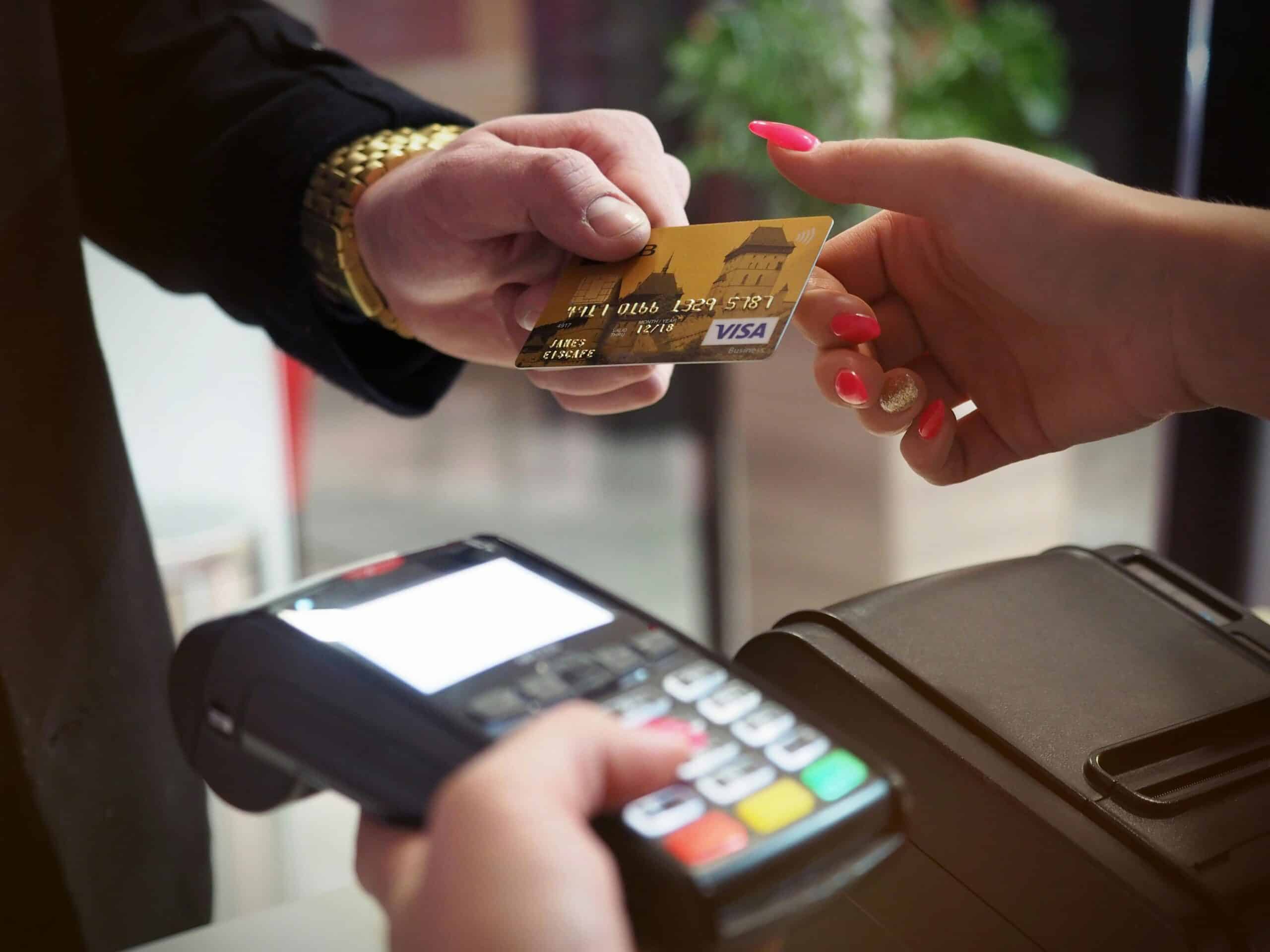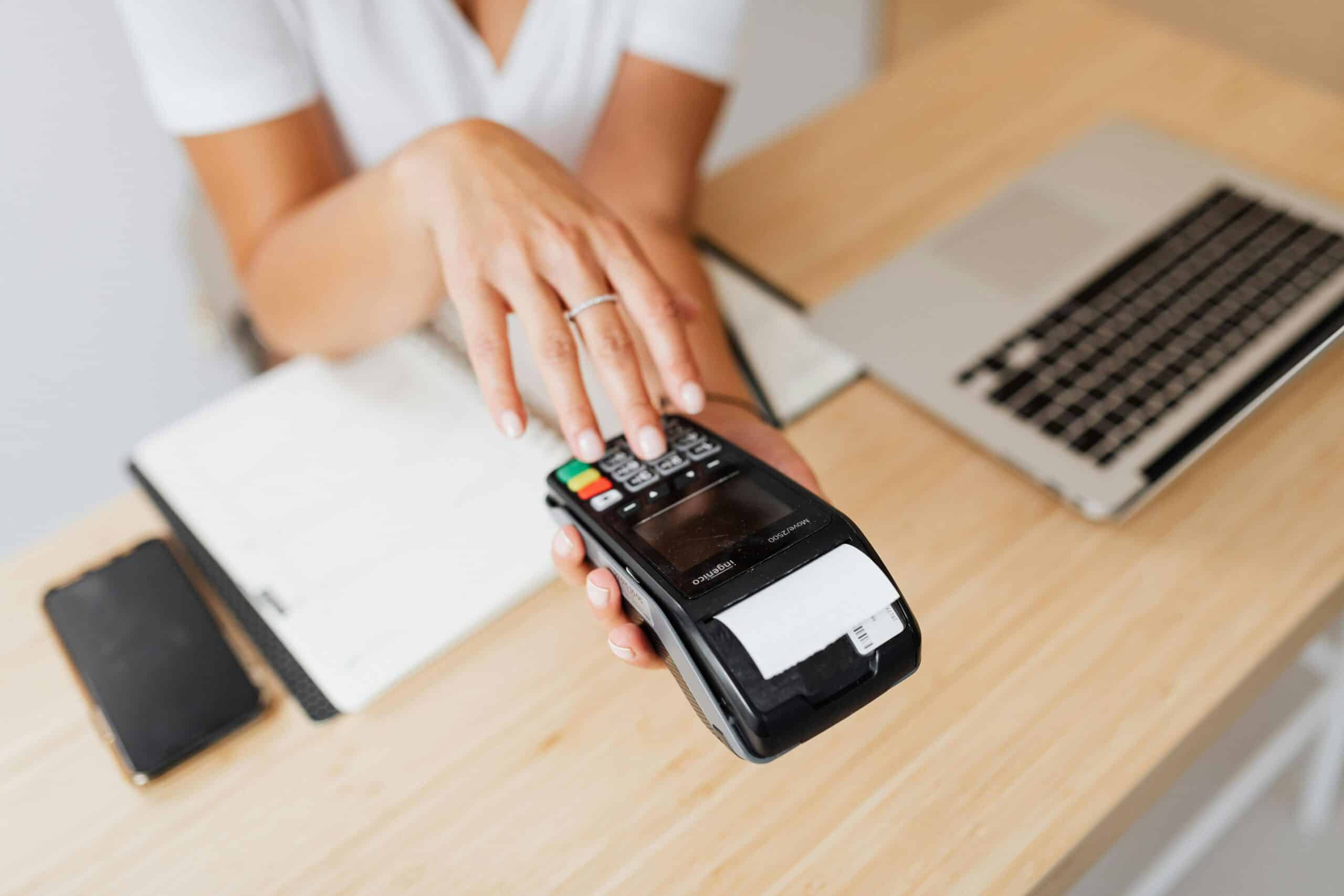



Bail bond agencies live in a world of high-stakes emotional payments. People are ready to make payments to get people out of jail. Your agents need to process payments quickly and avoid chargebacks, funding disruptions, and surprise underwriting audits. That’s why it’s critical to set up your merchant account correctly. You’ll want more than card acceptance; you need robust bail bonds payment processing that can handle variable high-volume days, high-ticket sizes, and 24/7 transactions.
In this guide, we’ll cover what makes bail bonds a high-risk industry, the underwriter’s concerns, and practical steps that lead to a successful merchant account.
Why Bail Bond Payments Get Flagged As High Risk
Bail bond payments are larger, time-sensitive, and more prone to being disputed than other retail payments. Many are also card-not-present, whether over the phone, through a link, or a virtual terminal, and that’s a red flag. Add the fact that clients can become non-communicative or even unhappy with outcomes they don’t understand, and it’s not hard to imagine why disputes abound.
Payment processors define payment categories, too. Bail and bond payments are often designated to an MCC code. Bail and bond payments are often coded to MCC 9223, which falls within the government services MCC category and is recognized by the major card brands. This classification by itself can place you in a stricter underwriting classification than most any other service industry.
Reasons Bail Bond Accounts Get Declined Or Limited
Most declines happen when the underwriter can’t see the business model or has something to dispute. If the underwriter considers a missing policy, it could be any number of things. Missing fee descriptions. Missing terms. Those things can assume the worst if your site is lacking contact information and policies. If your transaction patterns include high ticket sizes, a lot of keyed transactions, partial payments, and just a lot of stuff going on, you might appear to be too high risk for a vanilla processor.
Limits and freezes can also be applied even after approval. A volume spike, a spike in refunds, or even a temporary spike in chargebacks may trigger an underwriter review if the account was approved under generic terms that were not intended for bail bonds. The answer is not another button but a better merchant account relationship that more accurately reflects your business model.
What Bail Bonds Payment Solutions Need To Support In 2026
In 2026, the best bail bonds payment solutions support in-person payments, card-not-present payments, and payment links, while keeping reporting clean. They support a payment plan without confusing the customer to the point of disputing charges. More than features, the most critical factor is predictable funding behavior, because bail bonds are a cash-flow business.
You also want a partner who understands how risk monitoring is done these days. Dispute and fraud monitoring is more rigorous across the ecosystem, so stable processing is part of prevention habits, responsive support, and consistent documentation. Working with a processor experienced in bail bond risk can help prevent funding disruptions during high-volume or emergency periods.
Chargebacks, Refunds, And Disputes In Bail Bond Processing
Many bail bond disputes are not sophisticated fraud; they are miscommunication and emotion. Clients may not understand the label, may dispute after a family squabble, or may state they didn’t authorize the amount if there were several charges on their account. If your receipt is not air-tight, you are fighting an uphill battle even when the transaction was legit.
Preventing disputes is better than resolving them. Written terms, documented authorization, and a straightforward customer support pathway diminish the chance that a client will contact their bank first. When a chargeback occurs, you are armed and ready with a solid workflow in place before it arrives.
Compliance And Risk Controls That Protect Your Merchant Account
A bail bond merchant account will be stable based on simple fundamentals: strong consents, clear ongoing fee disclosures, and robust KYC. Assume the transaction will be questioned. Your process should capture what was agreed, who said yes, and why.
Defending your payment ecosystem makes your exposures manageable. Staying in a compliant area for your payment process limits your exposures. Even with issues, your business will survive. If you are processing card data, your PCI scope and tools should be chosen to minimize your exposure.
Choose Bail Bonds Payment Solutions That Are Built to Last
When shopping for bail bonds payment solutions, look for an underwriting pedigree, not sales hype. A company that does a lot of bail bond merchant underwriting will be less likely to screw up the account setup. You will want to find out how the provider approaches keyed transactions, payment plans, and 24/7 CNP volume. These will be the sources of friction in your operation.
Support quality factors into stability, too. If your operation has transactions at all hours, you need a provider who can respond quickly when something goes wrong. In bail bonds, slow support does not pay and leaves you looking unprofessional in your client’s moment of need.
How To Change Merchant Accounts Without Disrupting 24/7 Operations
If changing processors, treat it as a profit-protection initiative. Get the account approved, opened, and operational before any transition, particularly on non-present and payment plan queues. Keep the descriptor merchant-friendly so clients don’t start disputing charges they don’t recognise.
If possible, create a short overlapping period and train the team so late-night payments don’t become support issues. Smooth transition can get you upside down fast without damaging the client experience.
Bail Bonds Payment Solutions Setup Checklist
Clear Payment Policies And Disclosures
Your terms should include what the payment is for, what may apply, and what if the client has buyer’s remorse. Disputes develop quickly if there is any ambiguity, and family can get confused quickly. Terms go a long way. Good setups consider it chargeback prevention.
Documentation And Customer Identity Verification
Bail bonds is an urgent business but you still need an identity verification workflow. Capture signatures, receipts and know who ordered and who paid. In a dispute, you win with a process. The right docs also signal controlled and predictable business.
Card Present Vs Card Not Present Workflows
If you take payments in person, chips and a consistent set up goes a long way to limit fraud. Card not present workflows should use tokenization and properly capture payment info rather than ad-hoc texting and emailing. Payment links and virtual terminals are fine if you use them with verifications and disclosures. We want to accommodate urgency but we don’t want to make mistakes we could have avoided.
Funding Timelines, Reserves, And Cash Flow Planning
Bail bonds agencies should know the fund timings and what triggers holds before engaging with a provider. Some account setups may involve reserves or monitoring but it’s not a dealbreaker if it’s reasonably disclosed. What matters is you can plan your cash flow and manage your operations without sudden funding delays. Ask for written terms so you have what you bargained for.
Chargeback Prevention And Evidence Readiness
Dispute resolution prep is before the dispute not after the chargeback. Use recognizable descriptors, send confirmations, and make it easy for the client to reach out if they have questions. In a dispute, have a clean evidence package showing policy acceptance, service rendered and authorization. The quicker you send evidence, the better position you are in.
Reporting, Reconciliation, And Support Response
At high urgency, agencies skip reporting till it bites them. Your processing set up should allow for quick reconciliation and linking payments to clients and payment plans to get timely answers. You also want support that actually can help you when transactions are stuck or accounts need review. Good bail bonds payment solutions don’t complicate your life with admin chores.
FAQs
Q: Why do bail bonds companies need specialized bail bonds payment solutions?
A: Bail bond payments are typically higher ticket, more time sensitive, and have a higher percentage of card-not-present transactions, which makes for underwriting concerns. Most processors will not be comfortable supporting those types of behaviors long-term, even if they allow you to get set up initially. Specialized bail bonds payment solutions account for the true nature of your transactions, leading to fewer holds, fewer surprises, and steadier support.
Q: Why are bail bond merchant accounts closed or placed on hold?
A: The most common reasons for holds or closures include large spikes in transaction volumes, spikes in chargebacks, and a general mismatch between what underwriting was sold on and the reality of operations. Bad policies and vague disclosures also drive disputes and can quickly ramp up risk. Another common reason is too much keyed/CNP volume without strong documentation. Steadiness comes from predictable businesses and a provider that knows your category.
Q: Can bail bonds credit card processing be used for payment plans?
A: Yes. However, payment plans should be structured, well-documented, and understood by all parties before the first charge to avoid disputes. Clients should know what will be charged, how much, when, and the cancellation rules. Your process should also be able to track payments and attach them to the correct client and agreement. Payment plans increase collections if done correctly.
Q: What questions should I ask a provider?
A: Ask about underwriting experience with bail bond merchants, funding timelines, and what triggers a hold or review. Ask how they handle card-not-present volume and what evidence to submit to respond to chargebacks. Ask how the descriptors are handled and what payment plan reporting looks like if you use payment plans. The best partners will answer your questions and put the essential terms in writing.
Conclusion
Bail bonds merchants need reliable, resilient, and defense-ready payments. A good merchant account gives you enhanced approval rates, stable funding, and reduces the operational nuisance of surprise reviews and chargebacks. With a great bail bonds payment processing solution, you’ll be fielding calls from your customers’ panicked clients instead of dealing with payment malfunctions.
Sources
- Visa. “Visa Merchant Data Standards Manual.” Accessed January 2026.
- Mastercard. “Quick Reference Booklet, Merchant Edition.” Accessed January 2026.
- Citi. “Merchant Category Codes.” Accessed January 2026.
- Visa. “Visa Acquirer Monitoring Program Fact Sheet 2025.” Accessed January 2026.
- PCI Security Standards Council. “Merchants.” Accessed January 2026.
- Payment Nerds. “Payment Processing for Bail Bonds Agencies.” Accessed January 2026.