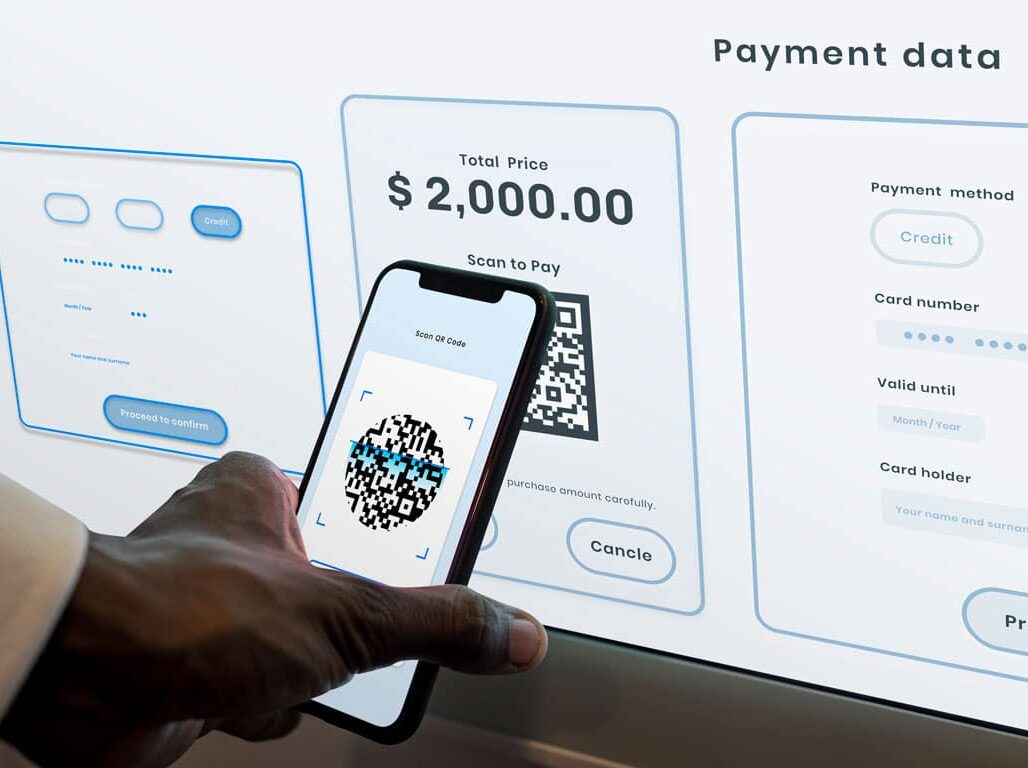


Homeowner associations (HOAs) and community associations don’t just control whether flower beds are weeded and whether overuse of the pool exists—they’re responsible for collecting monthly dues, assessments and one-time fees from dozens, if not hundreds, of property owners. They need systems that are accurate, secure and easy to use. Antiquated systems, from the reliance on paper checks to books tracked manually, impede payment facilitation while extending error-filled transactions to members who just want to get what they’ve promised, as paid for, in a timely fashion. New HOA payment processing solutions and community association payment solutions ease the fee collection process with streamlined efforts and automated reporting options that drastically decrease administrative task efforts.
Why Do Associations Need New Payment Solutions?
In order for communities to be successfully and effectively run, community association managers and boards need to maintain control of costs while also understanding that every member-owner has their own lifestyle with anticipated convenience and transparency. When an association allows for payment to be dropped off, emailed or mailed in, it not only provides an inefficient avenue plus additional barriers to entry, but also provides legitimacy to late payments, mistakes in data entry and jurisdictional concerns[1]. Transitioning to new HOA payment processing solutions minimizes this friction but promotes a better relationship with association boards and management companies, should collections and delinquencies occur, because the potential and awareness are there much sooner. When community associations have convenient access to payment processing, it’s one less concern for the property owner to worry about and with two clicks, payment can be made.
Community Association Payment Solutions: What Makes A Good System?
When looking for the best new community association payment solutions, there are certain features in systems that are most ideal. A quality payment processing system should be flexible and reputable, with as much automation as possible. It should have the ability to pay via ACH, debit, credit and mobile wallets; it needs to integrate with accounting software and/or HOA management software. It’s an added bonus if the system allows for autopay enrollment, payment reminders sent to homeowners, late fee inclusions for delinquent payments and access to ledgers for further reporting. Data security is critical; therefore, PCI compliance, encryption and data tokenization are critical to protecting all sensitive homeowner data[2]. The tools allow for HOA boards to save administrative time and effort with payments made on time without the need for straggler chasers.
Payment processors shouldn’t just be concerned with processing payments quickly. You’ll need a payment processor that offers customer success support, competitive transactional rates, and progressive features that support a developing community. Ideal companies are well-versed in HOA payment processing, have reliable uptime, and transparent pricing[3]. Avoid payment processors that require long-term contracts or hidden maintenance fees. In addition, your new payment processor should offer onboarding support, branding options, and mobile responsiveness for easy access for homeowners.
How HOA Payment Processing Improves Your Books
Whether your community association works with a professional management company or operates on a self-managed basis, its operational issues are the same as any small business. Your HOA has invoicing to process, collections to manage, and A/R and A/P reports to generate. HOA payment processing provides a centralized location for recurring dues, unexpected assessments, and event/facility fees. This digitized component gives boards access to a revenue and expense dashboard in real-time, enhancing transparency efforts. Sometimes, payment processors alert board members of delinquent accounts and establish collections processes automatically without needing someone to bring it to the attention of the board. Some payment processors even have upload portals for document submission, change of address or other amenities, which means less time spent with follow-up emails.
The Need for Payment Security For Community Associations
When dealing with any homeowner’s financial information, payment security is a must. Confirm that your community association payment solutions are PCI DSS compliant and offer a layered security approach, encryption, tokenization, and secure login capabilities. Data breaches not only put residents at risk, but they also tarnish associations’ images and lead to legal problems[4]. Always choose a secure platform that utilizes auditing protocols and fraud detection to minimize the board’s and community’s worries.
Fee Payment Transaction Conflicts HOA Boards Face
When collecting payments from a large population, many conflicts arise—lost checks, incorrectly applied payments, disputed balances, etc. However, HOA software provides residents with transparency about what they owe, why they owe it, and when it’s due. Automated receipts go out via email confirmations. Boards can set up auto-notifications for payments that are not processed or send mass messages to remind residents of pending assessments. Payment collection becomes seamless, and when residents can self-service their account management, it reduces friction and gives boards more time for more critical matters.
Essential Features Of HOA Payment Processing
Recurring Payment Options
Recurring payments mean fewer late fees and fewer follow-up attempts that stand between board members and strategic planning. Homeowners can set up their monthly dues or special assessments to automatically withdraw into the HOA bank account; thus, homeowners are more likely to take advantage of autopay. When payments are processed monthly (or bi-annually, depending on your HOA dues schedule), consistent cash flow reduces the time in which boards can fix maintenance issues and plan for long-term development sooner rather than later. Most platforms offer e-mail/SMS alerts for autopay, which also decreases late fees and delinquent payments.
Late Fee Automation
It's all too common for boards to forget to add late fees, and it's a timely process to do it manually when it's time to assess. Automated systems charge late fees when they're due and not a moment later, human error does not dictate whether someone pays a late fee or if they get an exemption because of custom pity. Therefore, payment automation supports the HOA's established rules and regulations and encourages timely payments, no awkward board member-homeowner confrontations are needed, as all fees will automatically render compliance.
Custom Payment Categories
Not all payments are the same. Generally, some associations have clubhouse rentals or parking permits for which they need to charge, or perhaps community events that residents must pay to attend. A community access payment solution allows you to customize and assign uniquely categorized payment types. This way, everything is charge correctly considered revenue streams and avoids problems of misunderstanding where payments go.
Accounting Integration
Integration with an accounting system, whether it's QuickBooks or one that pertains to communities like AppFolio and Buildium, automatically transfers payments within the appropriate accounting path. The payment goes where it needs to go in the budget, reducing double entries, human error, and the need to reconcile with dues and revenue, once payment is accepted. It also makes tax season and audits much easier.
FAQ
Q: What are my HOA’s options for accepting payments online?
A: The most popular HOA payment processing services accept ACH transfers, debit cards, credit cards, and digital payment services like Apple Pay. Some even allow paper checks to be scanned for those who still use that method. The more payment options available, the less likely a homeowner is to fall behind in payment.
Q: Is payment processing for community associations safe?
A: Yes, the most reputable community association payment processing services are PCI DSS compliant or better. Encryption and tokenization occur at the software level to protect sensitive data. Multi-factor authentication and IP address monitoring ensure that no one can access an account without permission[5].
Q: Can I monitor late payments and automatically remind residents?
A: Yes. Most services provide features for automatic reminders, late fees, and delinquency reports. This saves time from having to do things manually, provides a uniform approach to collections. Additionally, this prevents uncomfortable conversations about late fees from going unaddressed between residents and board members.
Q: Do payment solutions sync with HOA management software?
A: Many options seamlessly integrate with property management software like Buildium, AppFolio or TOPS so everything is in one place for record keeping, reconciliation, and financials. It also helps with board member and manager communication.
Q: What does HOA payment processing cost?
A: Providers may differ, but not transaction fees. Most take a small percentage per transaction, along with optional monthly fees for the software. Many allow you to pass on fees to homeowners. Compare all rates and contract terms and determine inclusions to make the correct choice.
Q. Can homeowners set up recurring payments?
A: Yes, one of the primary features of HOA payment processing is the ability to set up recurring billing (autopay). It ensures payments are made on time and reduces delinquency. Most systems allow homeowners to configure their own features, see what’s upcoming, and get alerts before billing.
Final Thoughts
Payment processing for HOAs and association payment solutions is required, not optional. They help with the effective, transparent, and scalable collection of dues. Stop with the paper trail and offer digital payment solutions like Payment Nerds to reduce manual entry efforts, enhance resident satisfaction, and create accurate payments/permanent records. It doesn’t matter if you’re on the board of a large condominium complex or a small community neighborhood; you’ll find that the right system not only makes your job easier but also provides a better community integration experience. The sooner you get the necessary software, the better your association will be in the coming years, and homeowners will appreciate more effective communication.
Sources
- AppFolio. “Simplify HOA Payments with Online Portals.” Accessed July 2025.
- Buildium. “How Online Payments Help Community Associations.” Accessed July 2025.
- Community Associations Institute. “Best Practices for Community Management.” Accessed July 2025.
- PCI Security Standards Council. “Understanding PCI Compliance.” Accessed July 2025.
- Bankrate. “The Importance of Secure Online Payments.” Accessed July 2025.