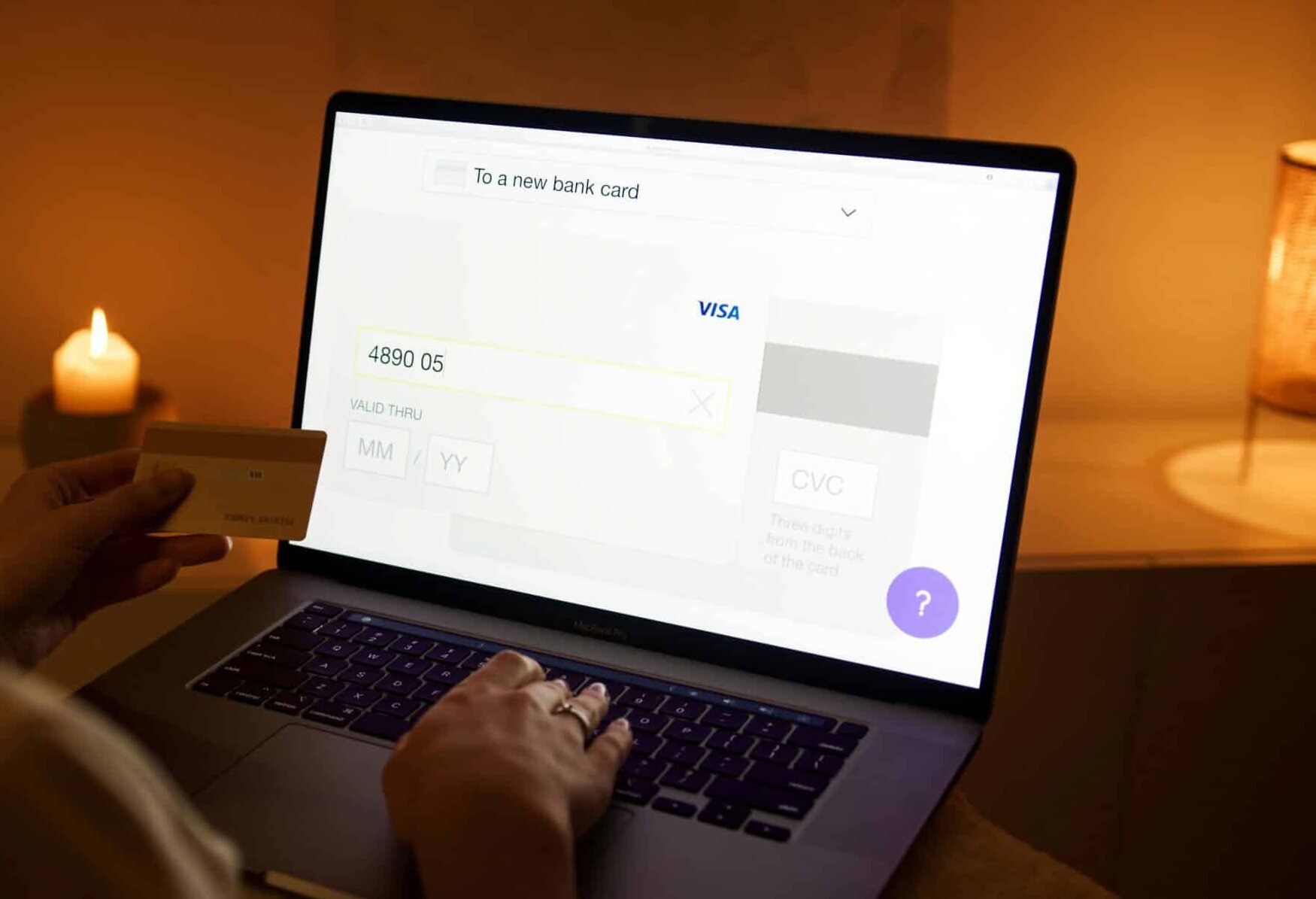



MLM companies face a different payment reality than most ecommerce businesses. Distributors bring in sales, people sign up for products, and products get automatically shipped. People also buy event tickets and are driven by sales incentives. While this can work beautifully, it can also lead to unexpected declines in sales and delayed funding. There are also situations where customers can charge back purchases. The goal is to have a stable MLM payment process.
In this article, you will find out how an MLM merchant account is typically structured, what to expect from an MLM payment processor, and how to choose the best MLM merchant services for your business.
Why MLM Payment Processing Gets Labeled High Risk
The primary reason MLM payment processing is labeled as high risk is the number of disputes arising from customers not understanding what they purchased, not understanding that their products will auto-renew, and getting frustrated with the slow refund process. Additionally, the nature of MLM companies and the variation in marketing and distributors across companies make the level of uncertainty quite high. Even if you operate a legitimate company, uncertainty is what will create risk for your business.
The good news is that high risk is not destiny. By structuring your offers and products to minimize chargebacks, you can significantly improve how your account is treated by banks and payment processors.
What an MLM Merchant Account Covers
An MLM merchant account is specifically underwritten and designed for the nature of mlm businesses. As such, an MLM merchant account does not work and is not suited to traditional retail businesses. By understanding the nature of your business and how it will operate within the merchant account, you can reduce the likelihood of issues during your initial period.
Furthermore, the MLM merchant account makes your reporting and dispute processes easier for your business. You want to ensure that all factors and data used in reporting and resolving customer disputes are handled properly, as this will ultimately affect the number of disputes and the approval rate of your customers’ payments.
Choosing the Right MLM Payment Processor
The best MLM payment processor is not necessarily the one that offers the fastest approval. You need to consider how the payment processor handles the specificities of your industry. For example, will they offer detailed questions and reviews on how they will handle refunds and cancellations for your enrollment campaigns?
In addition to the questions and answers a potential payment processor will require from you, you also need to consider the operations that will go under the MLM. If you offer subscriptions, will the mpm payment processor allow stored credentials? Will they offer better options for high-value products and events?
MLM Payment Processor Pitfalls to Avoid
Having a vague relationship with your MLM payment processor can quickly become risky. The best way to deal with this is to simply assume that the payment processor will reveal the rules during your business’s busiest month. Another common pitfall is choosing a provider that does not support the model you are using. This will lead to your company being shut down due to the nature of your transactions.
The biggest operational pitfall will be with billing. If the descriptor on the receipts changes and the receipt shows the canceled product, you will have issues with customer disputes. When it comes to mlm payment processing, stable customers create a stable relationship.
What MLM Merchant Services Include in 2026
Beyond card acceptance, good MLM merchant services include tools and guidance to help avoid disputes and chargebacks. That means tools for refunds and cancellations, robust reporting capabilities, and excellent customer support in case of unexpected high volumes.
Good MLM merchant services also include tools and guidance for underwriting growth. For example, if you’re planning a major push to recruit new distributors, launching a new product, or promoting a seasonal product, you want to be able to increase your limits and controls prior to the fact.
Compliance and Underwriting Signals That Make or Break Approvals
Underwriting MLM companies demands predictability from both the website and the customer. The user experience should clearly communicate what is being offered, including any autoship features, and outline the cancellation and refund processes. While distributors may generate website traffic, consistent messaging is essential to prevent customer complaints and disputes. Additionally, companies must be able to verify product fulfillment. If shipping physical products, proof of shipping and delivery is necessary. For digital products, proof must be provided to the merchant account demonstrating access and delivery as promised.
How to Keep an MLM Merchant Account Stable During Growth
The best way to ensure your MLM merchant account remains stable during periods of growth is to keep growth gradual and as expected. While sudden growth in the MLM environment is to be expected, unexplained and sudden growth will trigger a review of your merchant account’s performance.
Comparing MLM Merchant Services for Long-Term Fit
When you compare MLM merchant services, do not focus on the small difference in headline rates. Pay close attention to the underwriting fit and the merchant services’ ability to provide funding and support. If a company can tell you everything you need to know about their reserves and holds, you are likely dealing with a safe payment processor.
The Operational Playbook for Lower Disputes and Higher Approval Rates
Make Pricing and Enrollment Terms Obvious
One of the most common ways that MLM disputes begin is from customers not understanding what they had enrolled in during the enrollment process. The checkout process should make clear the total price, any renewal dates and amounts, and what the customer will immediately get. Making this information obvious is one of the most effective risk controls that you can use in the context of MLM payments.
Control Refund Timing and Policy Consistency
One of the best ways to trigger a series of disputes is to have inconsistent and unclear refund policies. Define your refund policy, stick to it, and issue refunds as quickly as possible if the policy dictates that you should. The goal is to reduce the number of chargebacks, even if the customer is unhappy with the product. Having a well-controlled and quick refund policy is one of the strongest indications of good MLM merchant services.
Use Clear Descriptors and Immediate Receipts
A major portion of MLM payment disputes are “I don’t recognize this charge” type of dispute. Ensure that the descriptor that is used for in house transactions matches what is shown on the receipt and what the customer would recognize as the brand in question. Providing immediate receipt is one of the best ways to cut down on the confusion caused by these types of disputes. If you want your MLM merchant account to remain stable, making recognition one of your primary goals is essential.
Reduce Manual Entry and Strengthen Verification
The use of manual entry can lead to problems and risk factors. Always verify the order and transaction before allowing manual entry and avoid allowing anyone to store the card data in the order notes. Limiting manual entry to staff that is properly trained and has access to a secure terminal reduces the risk of errors and fraud-related chargebacks.
Segment Traffic and Monitor Cohorts
The performance of MLM businesses is not uniform across all traffic. Using the tools and features available in most payment platforms, you can segment the approvals, refunds, and disputes that occur according to where the traffic came from. For instance, if one of your advertising campaigns results in a high number of chargebacks, you can change the messaging or the onboarding process to better suit that target.
Document Distributor Activity and Charge Permissions
If distributors can initiate transactions, schedule billing, or influence checkout language, you need clear internal controls and logs. Document who created an order, what the customer agreed to, and what confirmation communications were sent. When disputes occur, those details make it much easier to resolve quickly and consistently. Documentation is not bureaucracy, it is stability for MLM merchant services in a model where many people touch the customer journey.
FAQs
Q: What is an MLM merchant account and how is it different?
A: An MLM merchant account is specifically underwritten for the realities of mlm businesses. Standard merchant accounts and processing are underwritten with more predictable retail sales in mind. Since your mlm business has different volume and chargeback rates, you need a merchant account that is underwritten and structured for your business.
Q: How do I choose an MLM payment processor?
A: For MLM businesses, you’ll want to choose an mlm payment processor that stores the customer credentials, understands how to auto-retry certain transactions, and has good control over the descriptors on the receipts. The processor should show you how to avoid review requests due to chargebacks or refunded amounts.
Q: What kind of merchant services do I need as an MLM business owner?
A: You need good MLM merchant services that offer strong dispute prevention, solid reporting, and clear information about how funds and reserves will move in and out of your business. Good merchant services will give you the support you need to handle spikes in sales or volume. The best merchant services work for your mlm business and keep it stable.
Q: What is the fastest way to reduce chargebacks?
A: The key is to create clarity in the customer experience for your MLM business. You also want to reduce the number of days it takes for your customers to get a refund from your business and make it easy for them to cancel your products or services. Finally, keep track of your sales and resolve any issues that come from specific offers.
Conclusion
While the MLM payment processing industry is likely to be stable in 2026, the way companies are set up will have to match that model. Finding the right MLM merchant account, MLM payment processor, and MLM merchant services will go a long way toward avoiding payment disputes. By operating efficiently and managing payment processing effectively, MLM companies can scale their distributor network without creating payment issues.
Sources
- Federal Trade Commission. “Business Opportunity Rule.” Accessed March 2026.
- Federal Trade Commission. “Negative Option Marketing.” Accessed March 2026.
- Visa. “Dispute Management Guidelines for Merchants.” Accessed March 2026.
- Mastercard. “Chargeback Guide, Merchant Edition.” Accessed March 2026.
- Visa. “Stored Credential Transaction Framework.” Accessed March 2026.
- PCI Security Standards Council. “PCI DSS Standards.” Accessed March 2026.