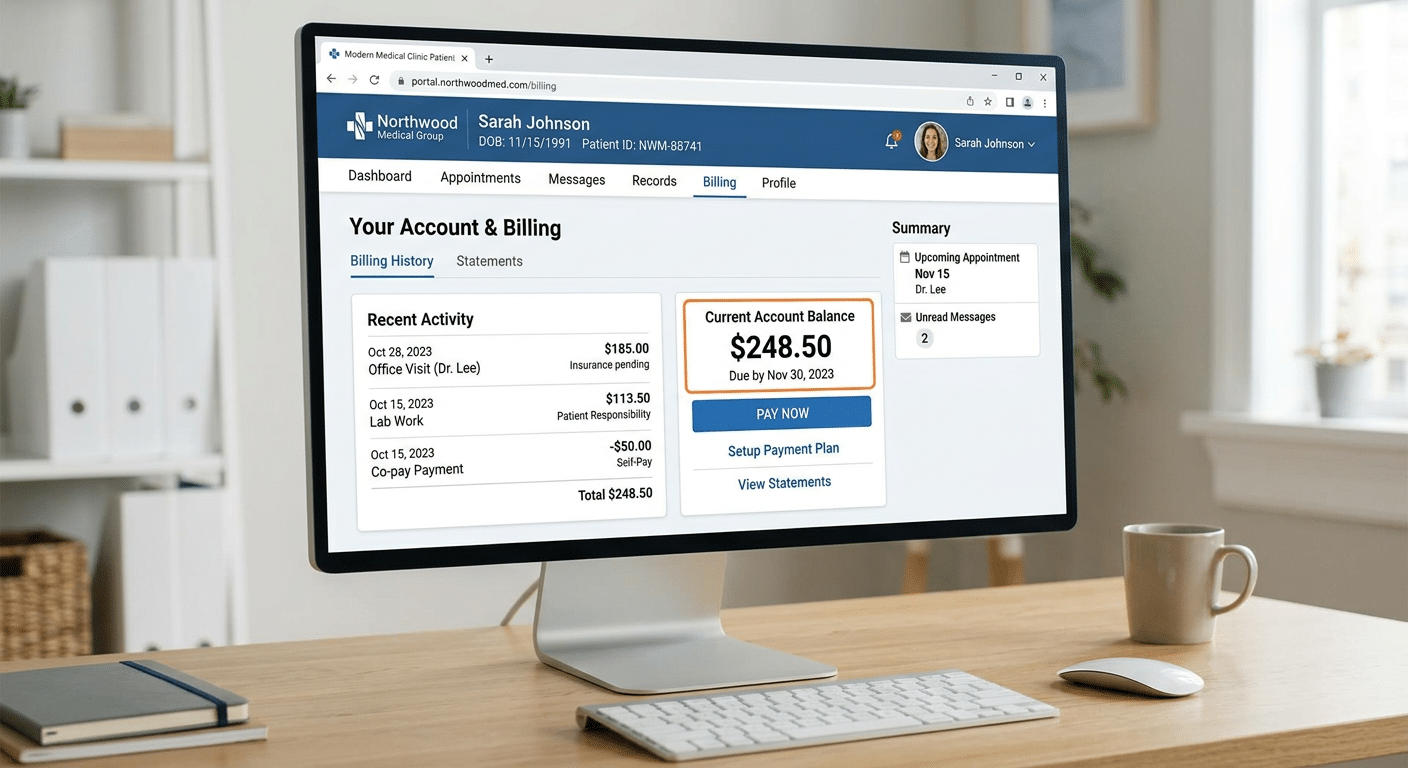



While online rent collection makes payments more convenient for property managers, it also groups all rent into a few days each month. If the merchant account is not underwritten for this volume, normal rent cycles can pose a challenge.
The best property management payment processing solution will support ACH deposits, credit cards, tenant portals, automations for recurring payments, and property-level reporting to help the payment processing company understand the rent cycle and where the revenue is going.
Why Rent Payments Get Put on Hold
Property management is not inherently a high-risk business. However, many property management company payments involve high-dollar rent and security deposit collections for multiple properties for various owners.
Several instances may result in holds on a property management company’s account:
- Monthly payment volume exceeds the approved limit
- Average size of rent payments exceeds the approved ticket size
- Sudden growth in the number of managed properties
- Payments for numerous properties are collected in high volumes around the first of the month
- A substantial number of card-not-present payments are collected
- A high number of ACH returns occur
- Tenants initiate chargebacks for the properties they rent
- The business does not accurately disclose ownership of the business or bank account
- Changes to the fees or services provided to the tenants are unreported
- Payment activity does not map to the leases or properties managed by the company
The best way to avoid a hold on a business account is to disclose the nature of the business and payment activity when applying for the account. The payment processor should be informed of the size of the property management portfolio, the average rent to be collected, and any plans for portfolio growth.
Features Every Property Management Payment Solution Should Include
Strong property management payment solutions should connect each payment to the correct resident, property, unit and balance.
| Payment Feature | Why It Matters | What to Monitor |
|---|---|---|
| Tenant Portal | Gives residents a self-service payment option | Portal access, receipt clarity and failed payments |
| ACH or eCheck | Helps control fees on large recurring rent payments | Authorization, returns and settlement timing |
| Credit and Debit Cards | Gives residents more payment flexibility | Processing costs, disputes and descriptors |
| Autopay | Encourages on-time recurring payments | Consent, payment changes and cancellation records |
| Payment Links | Helps collect deposits, fees or past-due balances | Clear links to the correct property and charge |
| Virtual Terminal | Supports staff-assisted phone payments | Keyed-entry risk and authorization records |
| Property-Level Reporting | Connects payments to units and owners | Reconciliation and deposit allocation |
| Accounting Integration | Reduces duplicate entry | Sync errors and unmatched deposits |
| Refund and Void Tools | Supports corrections and returned funds | Approval permissions and documentation |
| Fraud and Dispute Reporting | Shows payment risk by property or channel | Chargebacks, failed authorizations and card testing |
The goal is not simply to collect money faster. It is to create a clean record showing who paid, what the payment covered and where the funds should be allocated.
Choosing Between ACH and Credit Cards for Rent Collection
ACH is often the strongest option for recurring rent payments because they are typically large and predictable. Bank payments can reduce the percentage-based fee pressure that comes with credit cards.
Cards still matter because some residents value speed, rewards or short-term flexibility. A practical setup may make ACH the preferred rent-payment method while keeping cards available for residents who choose them.
| Payment Method | Best Use | Main Advantage | Main Risk |
| ACH | Monthly rent, HOA dues and recurring charges | Lower fee pressure on large payments | Returns and authorization issues |
| Credit Card | Resident convenience and urgent balances | Fast authorization | Higher fees and chargebacks |
| Debit Card | Routine resident payments | Familiar checkout experience | Card-network fees and disputes |
| Payment Link | Deposits, fees and one-time balances | Easy remote collection | Incorrect property or charge selection |
| Virtual Terminal | Staff-assisted collection | Useful for phone payments | Keyed transaction risk |
| Cash Payment Network | Residents without digital banking access | Expands payment accessibility | Posting and reconciliation procedures |
Nacha reports that the ACH Network processed 35.2 billion payments worth $93 trillion in 2025. Property managers using ACH should still monitor return codes, insufficient funds and revoked authorizations rather than treating bank payments as risk-free.
Compare Property Management Merchant Services
The right setup depends on portfolio size, existing property management software, accounting requirements and whether the business needs a bundled platform or an independent merchant account.
| Provider or Setup | Best Fit For | Key Strength | Main Tradeoff |
| Payment Nerds | Property managers needing merchant-account guidance, ACH, card processing and hold prevention | Strong fit for underwriting, gateway strategy, payment review and account stability | More consultative than a software-only product |
| Buildium Payments | Residential managers already using Buildium | Integrated rent collection, ACH, cards, autopay and property accounting | Payment pricing and software costs should be reviewed together |
| AppFolio Payments | Property managers using the AppFolio ecosystem | Resident portal, online payment history and integrated property workflows | Best suited to businesses using the broader platform |
| NMI + Merchant Account | Managers needing gateway and processor flexibility | ACH, cards, recurring payments, tokenization and reporting | Requires integration and underwriting support |
| Authorize.net + Merchant Account | Businesses needing eCheck, cards and a virtual terminal | Familiar gateway with recurring and staff-assisted payment tools | Property-level accounting may require another integration |
| ACH-First Merchant Account | Portfolios focused on recurring bank payments | Helps reduce card-fee pressure on rent | Cards and tenant-facing software may require separate tools |
Good property management merchant services should integrate with the property software rather than forcing staff to manually reconcile a disconnected payment portal.
Preventing Payment Holds
Provide accurate underwriting information to the card processor. This information should include the number of properties and units you will rent out, the average rent of those properties, the largest rent payment you will receive, the total volume of rent you will collect each month, and the schedule on which you will receive those rent payments (and if they include rent, deposits, dues, or management fees).
Provide your card processor with documents explaining your payment structure. The documents that may be required by your card processor can include:
- business formation documents
- owner identification
- bank statements
- prior processing statements
- property management agreements
- sample leases
- portfolio or unit summaries
- tenant payment policies
- refund procedures
- projected monthly volume of rent
- average and maximum rent payments
- ACH return and card chargeback history
Finally, let your card processor know prior to establishing your portfolio and rental structure if you plan to rent out major properties. It is always easier to establish a processing account with a higher volume of rent payments than after you have begun accepting rent payments from your tenants.
Understanding Processing Limits & Funding Delays
Some property managers will encounter situations where the company is capped on the volume of rent payments that can be processed, on when funds will be deposited into the company’s account, or on the reserve on the merchant account. These instances are usually present in young companies with high growth or no history with processing payments.
Review the terms of the property management software prior to the company’s launch. Terms to review may include the approved monthly volume, the maximum transaction amount, ACH timing, card funding schedule, and the percentage of funds to be reserved. These parameters should be factored into the company’s cash flow projections, not discovered during the rent collection week.
Protecting Resident Payment Information
PCI DSS provides requirements for protecting payment account data. Payment forms should be hosted, tokenized, and accessible through secure portals for residents, instead of by requesting and storing the resident’s card and bank information in emails, spreadsheets, or the notes of the property managers.
Only those who need to access the payment system should have access to it. Access should be limited to those who can provide refunds, change the resident’s payment methods, perform virtual terminal sales, and export payment reports. All actions should be tracked to create an audit trail.
Visa VAMP & Property Management Payments
VAMP is a fraud and dispute monitoring program created by Visa. The VAMP ratio combines fraud and non-fraud transaction reports and divides by the total number of Visa transactions that settled.
Property managers create VAMP ratios using online payment portals for tenants and properties with unrecognized descriptors or duplicate payments. These may occur at a particular property but not at others within the same management company.
Enumeration activity is also monitored by VAMP, which looks for bot activity performing test transactions on a property’s online portal. Property managers can use different website and payment tools to avoid such bot activity.
VAMP does not monitor ACH transactions, but there are return rates for those transactions as well. Property managers should monitor both Visa and bank payments during each month.
Common Property Management Payment Processing Mistakes
The biggest mistake is using a generic ecommerce account to collect rent without explaining the property management model. The processor may see large recurring card-not-present payments without the leases, unit information or payment schedule needed to understand them.
Another mistake is combining all properties and payment types into unclear reporting. Rent, deposits, application fees, HOA dues and management fees should be mapped to the appropriate property and account.
Property managers should also avoid forcing every resident to use cards. Offering ACH can lower processing costs and reduce card-volume pressure while preserving card payments as an optional convenience.
FAQs About Property Management Merchant Accounts
Q: What is property management payment processing?
A: Property management payment processing refers to the system through which property managers receive rent and other charges from their tenants. Payments can come through ACH, cards, portals, payment links, or virtual terminals.
Q: What are property management payment solutions?
A: Property management payment solutions connect electronic payments with the property managers, their tenants, their properties and accounting records. Such solutions may involve property management portals, autopay systems, ACH, card payments, and accounting reports.
Q: What are property management merchant services?
A: Property management merchant services may involve merchant accounts, ACH payments, cards, payment gateways, autopay systems, virtual terminals and various reports on the deposits that come into the merchant accounts.
Q: Why would a processor hold rent payments from property managers?
A: Rent payments are held by the processor if the property manager runs a business with a volume and ticket size that is different from the information on the manager’s account with the processor. Additionally, if the documents are missing, the payment can be withheld.
Q: Is ACH better than credit cards to receive rent payments?
A: ACH payments are typically more cost-effective for property managers who receive large amounts of rent payments every month. However, the property manager may prefer credit card payments from tenants for convenience.
Q: Can property managers charge tenants for card-processing fees?
A: The rules regarding charging tenants for card payments vary. Such fees may depend on the type of card, the card companies’ rules, local and state laws, and the lease agreement between the property manager and the tenant.
Q: Can property managers set up automatic rent payments from their tenants?
A: Yes. Most property management companies offer automatic rent payments via ACH or credit card. Property managers are typically required to maintain records of these authorizations and to change or cancel these automatic payments.
Q: What documents can property managers provide to avoid having their payments held?
A: Any documents that can help show the property manager’s financial situation or their capacity to receive the rent payments may work to avoid being assigned holds on the manager’s payments. Examples of these types of documents may include management agreements, leases, property summaries, bank statements and rent payment reports.
Q: Does the Visa Acquirer Monitoring Program impact property managers?
A: The Visa Acquirer Monitoring Program may impact property managers who take Visa payments. If there are issues related to the management of the payments, whether related to fraud or the enumeration of payments, the property manager may be required to take certain actions to resolve those issues.
Q: Can Payment Nerds help property managers to accept rent payments?
A: Payment Nerds can assist property managers with eligible businesses to compare property management payment processing, property management payment solutions, property management merchant services, ACH payments, card payments, and payment gateways.
Conclusion
Rent collection should not come as a surprise in your monthly funding. The right merchant account will explain the collection process and connect each collected rent payment to the proper tenant, unit and property.
Payment Nerds can help property managers compare property management payment processing options, property management payment solutions and property management merchant services. Our goal is to help property managers accept rent payments via ACH, payment apps, and tenant portals without incurring account holds.