

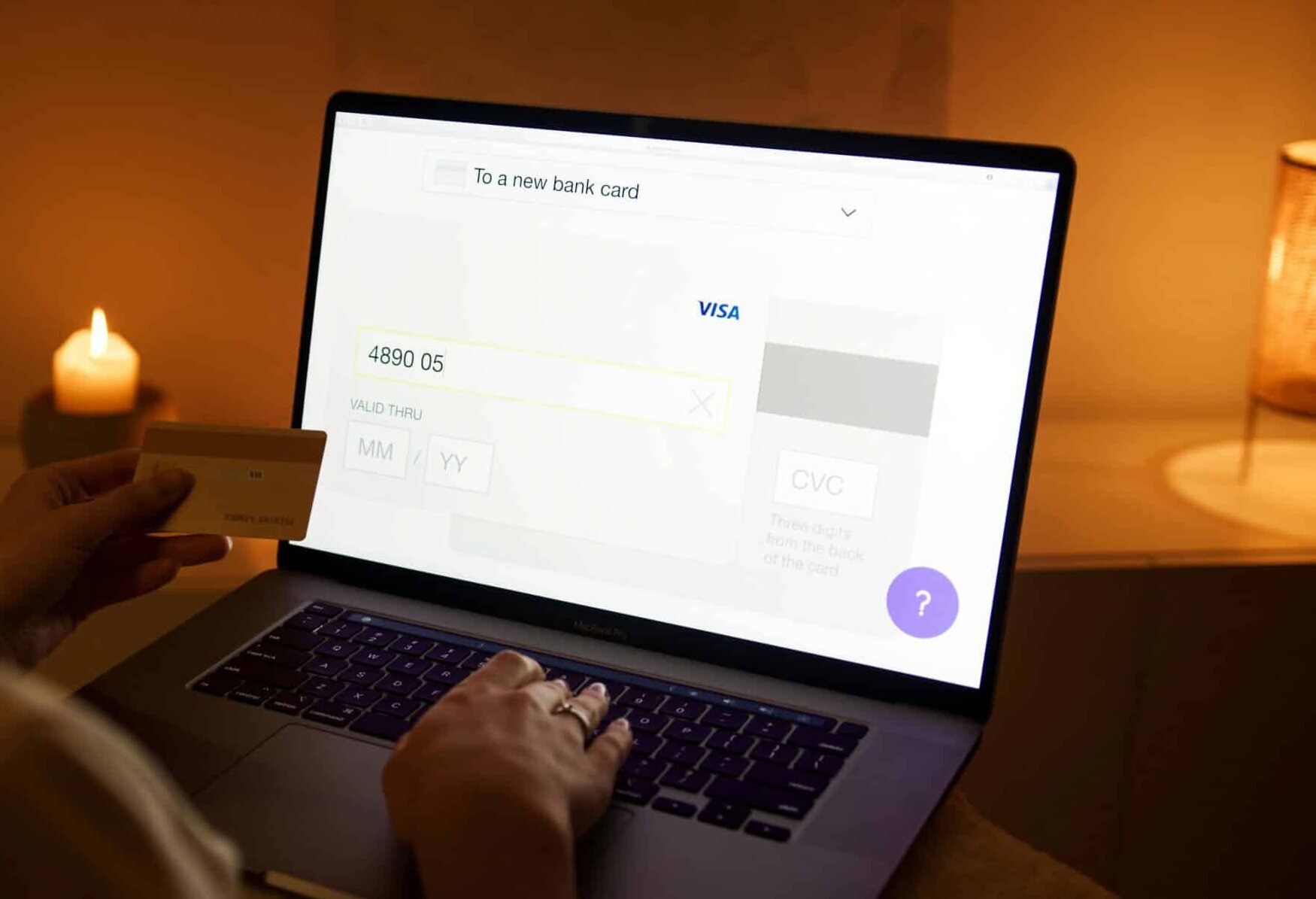

While recurring billing can provide businesses with more predictable revenue, it also requires closer monitoring of the payment processing industry. The business will require customers to sign up once but will charge them on a recurring schedule. Should something go wrong with the subscription agreement, support, or fraud controls, the revenue from these subscriptions can become a problem for the business.
Subscriptions for high-risk businesses require account stability from the beginning. The right payment processing solutions should include stored credentials, renewal reminders, automated retries, cancellation options, chargeback alerts, fraud controls, VAMP, and reporting and underwriting, all aligned with the subscription business model.
Why High-Risk Businesses Need Specialized Billing and Payment Processing Solutions
High-risk recurring billing is more sensitive than ordinary one-time ecommerce purchases, as these transactions often involve future transactions due to their recurring nature. High-risk ecommerce businesses often offer valuable products and services, including SaaS, memberships, supplements, coaching, digital content, subscription boxes, and more.
The operational risk for high-risk ecommerce businesses is also significantly higher. There are more chances of failed payments, resulting in revenue loss for ecommerce websites. According to Stripe, its revenue recovery tools helped ecommerce websites recover over $6.5 billion in 2024 alone. Additionally, failed payments on high-risk ecommerce websites confuse customers about their payments and create further issues with the ecommerce website and its future transactions.
Another risk of high-risk ecommerce websites is VAMP. VAMP is a Visa program that combines fraud and chargeback monitoring into a single framework. The VAMP ratio is calculated by dividing the number of fraud and non-fraud transactions an ecommerce website receives by the total number of transactions settled on Visa. High-risk ecommerce websites must monitor both fraud and customer transaction disputes to maintain their account stability.
Who Should Use Recurring Billing for High-Risk Businesses
This guide is for you if you operate in one of the following spaces:
- subscription businesses
- supplement and nutraceutical businesses
- SaaS businesses
- membership sites
- adult, dating and gaming sites
- coaching and consulting businesses
- digital course and content businesses
- subscription box businesses
- telehealth and wellness businesses
- trials, autoships, monthly and installment businesses
If your business relies on card-on-file sales, enrollments, trials, continuity products, affiliates and sales channels or restricted product categories, then you’ll benefit from having a solution in place for recurring billing. While many standard payment processors may be able to process your sales, your high-risk nature may require different underwriting and monitoring to manage the associated risks.
Subscription Payment Processing Solutions Compared
Recurring billing can be handled through a gateway, subscription platform, merchant account, ACH provider, or broader billing system. The right option depends on the business model, chargeback history, payment methods and operational complexity.
| Option | Best For | Main Strength | Main Tradeoff |
|---|---|---|---|
| High-Risk Recurring Merchant Account | Subscription businesses with elevated risk | Better underwriting fit and account stability | More documentation and custom pricing |
| Recurring Billing Gateway | Merchants that need scheduled card or ACH charges | Automates rebills and stores credentials securely | Still requires the right acquiring relationship |
| Subscription Management Platform | SaaS, memberships and complex plan structures | Handles plans, upgrades, downgrades, coupons and dunning | Must connect cleanly to the processor |
| ACH Or eCheck Billing | Larger recurring payments or bank-preferred customers | Lower-cost option for some recurring payments | Requires authorization and return monitoring |
| All-In-One Processor | Lower-risk subscriptions with simple billing | Fast setup and familiar tools | May not support high-risk categories |
| Backup Or Multi-MID Strategy | Higher-volume high-risk merchants | Adds processing continuity if one account is reviewed | Requires careful routing and reporting |
For most high-risk merchants, the safest setup combines recurring billing tools with a processor that understands the category. The software can automate recurring charges, but the merchant account determines whether the business can keep processing as disputes, refunds and volume change.
Best Recurring Billing Providers for High-Risk Businesses Compared
The best provider depends on whether the merchant needs high-risk underwriting, subscription tools, gateway flexibility, ACH, chargeback alerts, or VAMP-aware monitoring.
| Provider | Best Fit | Key Strength | Main Tradeoff |
|---|---|---|---|
| Payment Nerds | High-risk businesses that need recurring billing strategy, merchant account services and account stability | Strong fit for high-risk underwriting, subscription payment processing, Verifi, Ethoca, 3DS, fraud controls, chargeback prevention and VAMP-aware monitoring | More consultative than a plug-and-play billing tool |
| PaymentCloud | Subscription merchants that need help getting approved after declines or limited history | High-risk merchant account support, recurring billing options, fraud tools and chargeback-risk support | Pricing and terms depend heavily on underwriting |
| Easy Pay Direct | Continuity subscription merchants that want high-risk account support and gateway flexibility | Recurring billing, chargeback mitigation, multiple payment options and many integrations | Requires more setup planning than simple processors |
| SoarPay | Membership and recurring billing merchants in harder-to-place categories | High-risk account support and compatibility with major gateways and membership platforms | Fit depends on category, documentation and risk profile |
| Authorize.net Through A High-Risk Acquirer | Merchants that want a familiar recurring billing gateway | Automated Recurring Billing, customer profiles and eCheck support | The gateway alone does not solve high-risk underwriting |
| NMI Through A High-Risk Acquirer | Merchants that need gateway flexibility, recurring billing and processor choice | Strong gateway layer for ecommerce, recurring and integrated payment workflows | Must be paired with an acquirer that supports the category |
| Stripe Billing | Lower-risk SaaS and subscription businesses that fit Stripe’s policies | Strong billing, recovery tools, dunning, smart retries and developer support | Not a fit for every restricted or high-risk subscription model |
These are fit-based comparisons, not universal rankings. A SaaS company, supplement autoship brand, adult membership site, coaching program and subscription box company may all need different billing tools and underwriting support.
Understanding VAMP for Subscription Payment Processing
Because subscription businesses can create fraud and dispute pressure over time, VAMP is a program that matters to subscription payment processors. VAMP stands for “Visa Account Metrics and Performance,” and it calculates the number of fraudulent and non-fraudulent chargebacks versus the total number of Visa transactions that settled. Visa looks at fraud and chargebacks together through this metric.
Subscription merchants can create VAMP pressure if they offer free trials, have unclear billing terms, fail to honor canceled subscription requests, encounter friendly fraud, receive card testing requests, experience refund delays, provide incorrect descriptors, create affiliate programs with misrepresented vendors, or offer rebills that are disputed due to merchant forgetfulness.
Above Standard and Excessive are the two warning levels for merchants on Visa that indicate the merchant may experience fraud, chargebacks, or enumeration issues, which can result in fees.
Payment Nerds can assist subscription merchants with monitoring fraud and chargeback metrics to help ensure their VAMP ratios don’t become too high. Payment Nerds monitors metrics like TC40 fraud reports, TC15 disputes, chargebacks, failed transactions, enumeration activity, refunds, Verifi and Ethoca alerts, and any metrics related to subscription or recurring billing performance.
How to Set Up Recurring Billing in 2026
Start with the offer. Define what the customer is buying, when billing begins, how often billing repeats, how cancellation works and what support channels are available. If that part is unclear, the payment technology will not fix the risk.
A practical recurring billing setup usually includes:
- confirm merchant account support for the subscription model
- document trial, renewal and cancellation terms
- choose the gateway or subscription billing platform
- configure stored credentials and tokenization
- enable card updater and smart retry tools
- set up customer emails for trial reminders, renewals and failed payments
- configure AVS, CVV, fraud filters and 3DS where appropriate
- add Verifi, Ethoca or chargeback alerts if risk warrants it
- monitor refunds, disputes, failed authorizations and VAMP exposure
- connect billing records to support, CRM and accounting systems
The strongest recurring billing setup is easy for customers to understand and easy for staff to audit. The business should be able to explain every charge, renewal, cancellation, refund and dispute from the customer record.
How to Choose the Right Billing and Payment Processing Provider
First, ensure the provider understands the nature of the SaaS subscription offerings. A low-risk offering will require a different payment processing provider than a higher-risk one, such as a nutraceutical autoship company, a membership site, a coaching site, or a trial offering.
Providers should be compared within categories like underwriting, recurring billing features, stored credentials, ACH, card updater features, smart retry features, cancellation features, gateway support, chargeback tools, fraud tools, VAMP monitoring and reserves.
It is also important to ensure the provider will provide insight into what happens after the payment processing request is approved. This includes an understanding of how the company will handle rising chargebacks, processor reviews, failed payments, subscription disputes, VAMP monitoring and alerts, and any account stability concerns.
Recurring Billing and Subscription Processing Costs Explained
The costs of recurring billing depend on the nature of the business, the monthly ticket volume, the average ticket price, the chargeback history, and the subscription model. High-risk businesses will receive a custom pricing structure from the payment provider to account for the risks they assume for each rebilled subscription.
The costs include transaction fees, monthly fees, gateway fees, recurring billing software fees, ACH fees, chargeback fees, PCI fees, card updater fees, fraud tool fees, and rolling reserves. Additionally, merchants will pay for software such as Verifi, Ethoca, 3DS, bot controls, subscription, dunning, and revenue recovery software.
Instead of asking whether subscription software is inexpensive, the question should be whether the revenue will be protected. If subscription software is associated with higher rates of failed payments, chargebacks, VAMP ratios, reserves, or terminated accounts, the costs may seem low up front, but in the long run, revenue will be lower than with another provider.
Common Recurring Billing Mistakes to Avoid
The biggest mistake most recurring billing companies make is hiding the renewal. By not making the customer aware of when they will be billed, how much they will be charged, and how to cancel their subscription to the company’s products or services, the company will experience short-term revenue gains and long-term chargebacks.
Another mistake is failing to recognize that failed payments may indicate the customer needs to update their payment method. Failed payments, retries, emails, and the response to customer service inquiries will all play a role in whether the customer updates their information to avoid failed charges.
Ignoring the VAMP (Violation of Anti-Money Laundering Program) reports can also be a mistake. If there are any fraud reports, chargeback reports, or enumeration attempts against the company’s customers, the acquiring bank may refuse to grant the company access to its customers’ payment methods. High-risk companies should monitor these reports before the processor begins to report them to the acquiring bank.
Key Features of High-Risk Recurring Billing Solutions
Stored Credential and Tokenization Support for Recurring Billing
Recurring billing requires the customer to authorize a merchant to use their payment credentials for future charges. Visa allows merchants to store these credentials and automatically charge customers for their products or services according to the customer’s agreement with the company. Tokenization can make this process safer for high-risk merchants. Instead of the merchants’ systems storing the customer’s payment data, the data is replaced with a secure token that allows the merchant to automatically charge the customer for their products or services. Using tokenization, stored credentials and customer consent allows merchants to make future rebillings easier for their customers’ issuing banks and processors.
Clear Trial, Renewal, and Cancellation Terms
Many subscription chargebacks result from customers not understanding the terms of the subscription. Customers may have forgotten that their trial period has converted to a subscription period, they may have forgotten the subscription date, the price of the product or service is incorrect, or they may not be aware that the cancellation of the subscription will result in no further access to the product or service. To avoid these issues, merchants should display the terms of the subscription before customers attempt to purchase products or services from them. These terms should include the length of the trial period, the date of the first subscription charge, the subscription amount, the subscription frequency, the steps to cancel the subscription, and the terms of any refunds for the subscription.
Card Updater and Smart Retry Logic for Subscription Billing
A card updater allows merchants to update the payment credentials of customers whose cards have expired or new cards have been added to their accounts. Smart retry software allows merchants to automatically attempt to charge a customer who failed to be charged for their products or services during a given period. Both of these features can help prevent high-risk merchants from losing customers who wish to continue to subscribe to their products or services. Both of these features should be controlled. Too many retries can cause the customer and the merchant’s processors to become frustrated with the failed payments. Instead, using the retry function along with the merchant’s dunning and communications efforts, their website and portal updates, and their card updater can help to allow subscriptions to be charged without creating chargebacks for those customers.
Fraud, Chargeback, and VAMP Monitoring
High-risk merchants that offer subscription products or services need to monitor their transactions for fraud and chargebacks. The VAMP ratio is a Visa metric that allows merchants to see the number of transaction fraud reports (TC40) and chargebacks from customers (TC15) during a given reporting period. A good subscription billing and payment processing solution will offer AVS, CVV, fraud detection software, chargeback alerts, refund software, Verifi, Ethoca and 3DS software, as well as offer monitoring for the VAMP ratio to monitor for potential fraud and chargebacks.
Enumeration Attack and Bot Protection
Subscription merchants are targets for bot programs that attempt to test stolen and incorrect credit card data against the merchant’s website. These enumeration attacks can occur at the checkout page for the merchant’s products or services. The enumeration ratio is a Visa metric that measures the number of enumeration attacks divided by the total number of transactions attempted by customers. The VAAI or Visa Account Attack Intelligence software allows merchants to monitor their websites and transactions for enumeration attacks. High-risk merchants should use software that can monitor for enumeration attacks including failed authorizations, trial period abuse, BINs, IPs and bots.
Subscription Reporting and Account Stability
A good subscription payment and billing software solution should offer reports to merchants that detail the number of customers that have automatically rebilled for their products or services, the number of failed payments, the number of successful recoveries of those failed payments, the number of cancelled subscriptions, the number of payment refunds, chargebacks, disputes, fees and deposits. Furthermore, if any of these metrics relate to a specific offer, campaign, product, subscription, trial period, affiliate or another variable, that information should be reported to those merchants so that the merchant can act to prevent further chargebacks and account issues. If a merchant can act quickly to resolve the cause of any chargebacks, the merchant’s account with the payment processor will remain stable.
FAQs About Recurring Billing For High-Risk Businesses
Q: What is recurring billing?
A: Recurring billing is the process of automatically charging a customer for goods or services after they have agreed to future payments. Recurring billing is used for subscriptions, memberships, SaaS companies, autoship products and more.
Q: Why is recurring billing considered to be high risk?
A: Recurring billing is high-risk because customers may not remember to renew subscriptions or products they have purchased. Additionally, customers may believe they did not authorize recurring payments.
Q: What should high-risk subscription payment processing include?
A: High-risk subscription payment processing should include the ability to store customer credentials, tokenize their data, allow customers to update their payment information, handle smart retries for failed payments, allow customers to cancel subscriptions, implement fraud controls, have alerts for chargebacks and implement VAMP-aware monitoring.
Q: What is VAMP and why is it important for high-risk subscription companies?
A: VAMP is a program created by Visa to monitor fraud and chargeback rates for merchants. The VAMP ratio is calculated as the total amount of fraud and chargebacks divided by the total number of Visa transactions settled by merchants. High-risk subscription companies must monitor these ratios to ensure their business remains stable.
Q: What is an enumeration attack?
A: An enumeration attack uses bots to test multiple credit card credentials on a checkout page. These fraudsters attempt to utilize stolen or guessed credit card information to make purchases. High-risk subscription companies should implement bot detection on their checkout pages.
Q: Can high-risk merchants use ACH payments?
A: Yes. ACH payments can be very useful for high-risk merchants that offer subscriptions, memberships, and higher-ticket products with recurring payments. However, merchants will need to have authorization for these ACH payments, monitor ACH return codes, and understand the communication necessary with their customers to make this payment method successful.
Q: How can Payment Nerds assist with recurring billing for high-risk businesses?
A: Payment Nerds can assist high-risk businesses with their recurring billing processes by evaluating the various high-risk recurring billing companies in the market. Specifically, we evaluate their subscription payment processing capabilities for high-risk companies to determine which is the best fit.
Conclusion
Automated recurring billing can help high-risk businesses ensure they have a revenue stream, but it must be established with appropriate controls. The best billing and payment solutions will allow your company to automatically renew subscriptions, minimize failed payments and chargebacks, and monitor the health of your VAMP and merchant accounts as your high-risk company grows.
If you are in need of finding a billing and payment processing or subscription payment processing company for your high-risk business, Payment Nerds can help you find the best company and further set up automated recurring billing for your organization.
Sources
- Stripe. “Understanding Subscription Churn.” Accessed May 2026.
- Stripe. “Revenue Recovery.” Accessed May 2026.
- Chargebacks911. “Recurring Billing 101: The Merchant’s Guide.” Accessed May 2026.
- Chargeback Gurus. “What Causes Subscription Chargebacks?” Accessed May 2026.
- Visa. “Visa Acquirer Monitoring Program Fact Sheet.” Accessed May 2026.
- Visa. “Stored Credential Transaction Framework.” Accessed May 2026.
- Mastercard. “Revised Standards for Subscription/Recurring Payments and Negative Option Billing Merchants.” Accessed May 2026.
- PaymentCloud. “High-Risk Merchant Account.” Accessed May 2026.
- Easy Pay Direct. “Continuity Subscription Merchant Account.” Accessed July 2026.
- SoarPay. “Merchant Accounts for Membership & Recurring Billing.” Accessed May 2026.
- Authorize.net. “Recurring Billing.” Accessed May 2026.
- PCI Security Standards Council. “Merchant Resources.” Accessed May 2026.