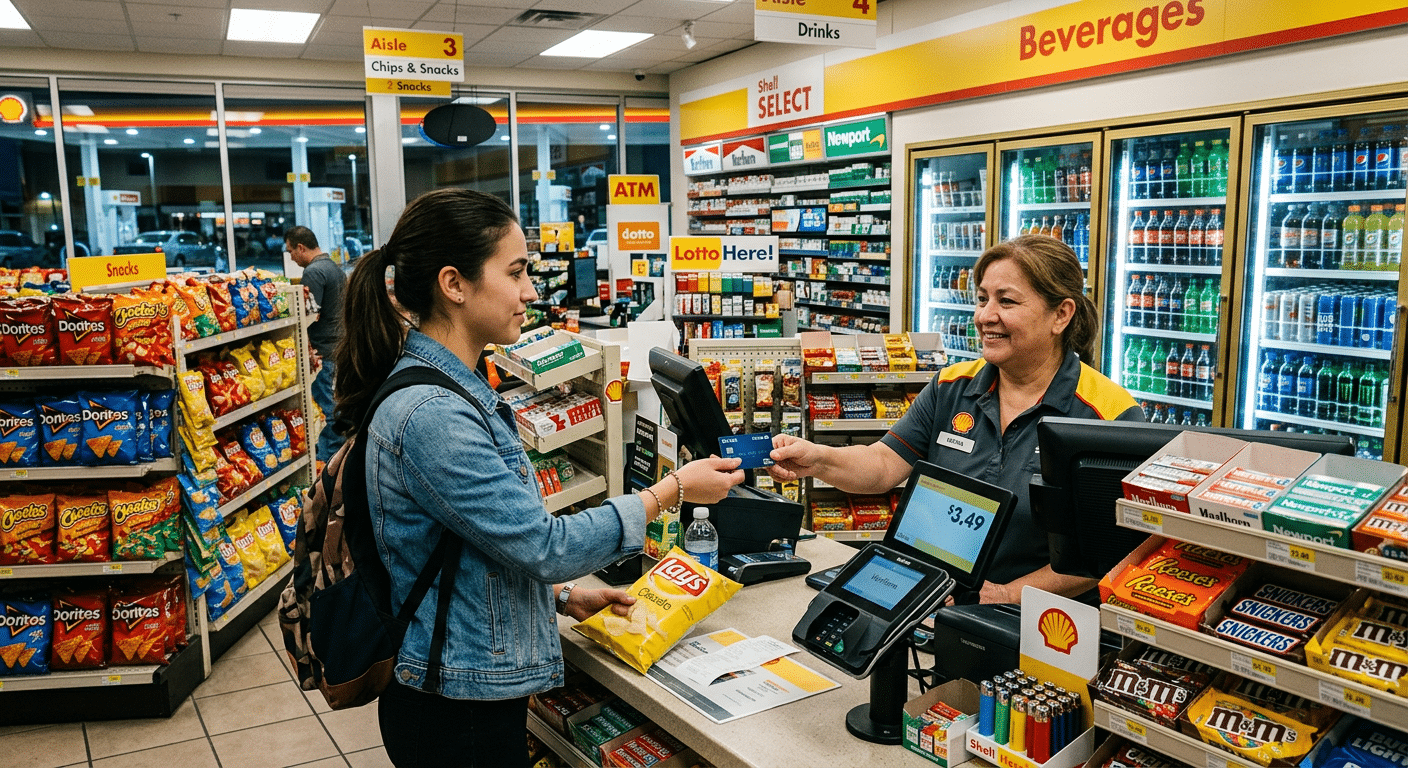

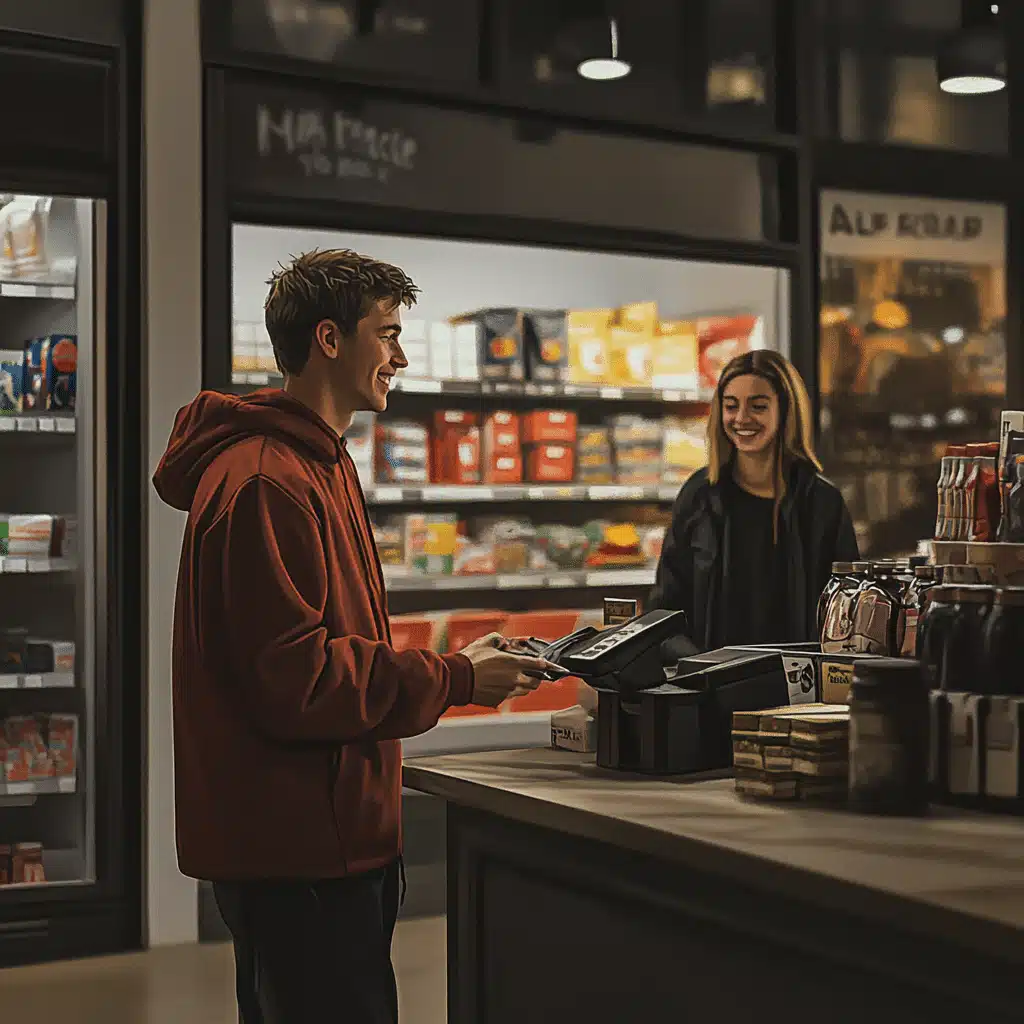

Most grocery store checkouts accept produce that is weighed, packaged goods, coupons, SNAP benefits, alcohol, contactless payments, and loyalty rewards. The register must be able to swiftly process all of these payments while also keeping up with inventory and sales registers.
Choosing a grocery store POS system is different from purchasing a retail POS system. Additional features to consider include payment processing fees, lane reliability, EBT support, scale integrations, and uptime during peak hours.
These seven POS systems for grocery stores stand out in 2026 for different types of grocery business owners.
What a Grocery or Supermarket POS System Needs
A small specialty market may find it easier to use a POS system with flexible functionality. A full-service supermarket with multiple departments and locations needs a more robust POS system with grocery-specific functionality.
Key features a supermarket POS system should have:
- barcode and scanner scale support
- ability to handle random weight items
- ability to accept EBT and SNAP payments
- split tender functionality
- EMV and contactless payment support
- inventory and purchase order management
- deli and label printing
- employee permissions management
- loyalty and promotion management
- ability to operate without an internet connection
- self checkout functionality (if needed)
- online ordering and pickup support
- multi-location management support
- accounting and reconciliation reports
- technical support
SNAP deserves particular attention. USDA requires retailers to receive authorization before accepting SNAP and use appropriate EBT transaction equipment. Online SNAP purchasing requires an additional authorization process and specific e-commerce functionality, including eligible-item controls and split tender.
A grocery retail store that accepts credit cards may not have all the features required of a complete supermarket POS system.
7 Best Grocery Store POS Systems and Processors
There is no universal winner. The best choice depends on store size, product mix, locations, payment volume and how much grocery-specific functionality the merchant needs.
| Provider | Best For | Starting Software Price | Standout Strength |
|---|---|---|---|
| Payment Nerds | Processor and POS flexibility | Custom | Merchant-account and hardware flexibility |
| IT Retail | Independent and growing grocers | $49/month | Grocery-specific workflows |
| ECRS CATAPULT | Larger supermarkets | Custom | Enterprise grocery operations |
| Markt POS | Specialty and independent markets | $49/month | EBT, scales and grocery features |
| Square for Retail | Small and newer grocery stores | $0/month | Simple setup and integrated payments |
| Lightspeed Retail | Inventory-heavy and multi-location stores | $89/month | Inventory and omnichannel management |
| Clover | Smaller groceries and convenience-style stores | Varies | Flexible retail hardware ecosystem |
Prices are published starting points as of August 2026 and can change based on hardware, locations, processing and selected features.
1. Payment Nerds: Best for Flexible POS + Payment Processing Options
Payment Nerds is the best fit for grocers who want to evaluate merchant accounts and POS systems before committing to a single payment processor.
Payment Nerds offers retail payment solutions that support countertop terminals, handheld devices, barcode scanners, contactless payments, e-commerce websites, and multi-location retail merchants. Additionally, grocery retail is one of the retail categories the company serves.
This payment processor is a helpful solution for grocers who need high transaction volumes.
Best for: Independent or multi-location grocers looking for a payment processor that supports their specific business workflow.
2. IT Retail: Best All-Around Grocery-Specific POS
IT Retail is built specifically for grocery environments, not general retail.
The company’s Starter plan begins at $49 per month and includes 24/7 customer support and training. Other plans are geared toward grocers that are growing or have multiple sales lanes. IT Retail also has to work with its own processing company.
Features that benefit grocery retail environments include:
- scanner and deli scales
- EBT
- split tenders
- purchase orders
- low-stock reporting
- inventory tools
- offline-ready registers
- self-checkout options
Because the software is designed for grocery environments, there are fewer third-party applications to account for features such as weighted foods and benefit payments.
Best for: independent grocers and supermarkets looking for a platform specifically designed for grocery retailers.
3. ECRS CATAPULT: Best for Larger Supermarkets
CATAPULT was built for grocery environments with more complexity than the average supermarket.
In addition to grocery sales channels, the system also includes pharmacy and fuel station sales, e-commerce, and self-checkout scales. Additionally, it also manages EBT, eWIC, FSA, HSA, EMV, and contactless payments.
CATAPULT includes perpetual inventory and replenishment software as well as over 300 reports. Pricing for this system is based on a quote.
While excessive for a small grocery store with a single POS register, CATAPULT’s features are beneficial for supermarkets that manage several departments and locations.
Best for: Supermarkets and larger independents
4. Markt POS: Best for Specialty and Independent Markets
Markt POS is focused specifically on independent grocery and specialty markets.
The start at $49 per month with grocery-specific functionality including EBT and SNAP, eWIC, support for random-weight products with scales built into the POS system, deli labels, perishable inventory management, loyalty program integration, and the ability to manage multiple stores from a single platform.
The features built into the system make it particularly attractive to independent markets that weigh products regularly, such as meat markets and produce stores.
Best for: Specialty grocers, meat markets, and independent food retailers.
5. Square for Retail: Best for Small Grocery Stores
Square also offers a simpler solution for retail stores that do not require the full range of enterprise supermarket functionality.
Its grocery-specific retail tools allow stores to manage barcode scanning, weighted items, ID scanning, inventory, online sales, and grocery pickup. Square also combines its POS and payment processing into a single environment.
Plans start at $0, with paid plans offering additional inventory management features. Published rates for in-person payments vary according to the plan the retailer selects. The base plan is 2.6% plus 15 cents per card-present transaction.
The flexibility of Square is one of the main trade-offs for retail stores selecting this software. Square is best for small retail stores with fewer processing needs.
Best for: Small retail markets, specialty food stores, and new grocery stores looking to establish themselves quickly.
6. Lightspeed Retail: Best for Inventory and Omnichannel Grocery
Lightspeed also includes features that are helpful for grocery retailers, such as inventory management and support for multiple sales channels.
Lightspeed offers grocery retailers real-time inventory availability, reorder points, purchase orders, barcode scanners, customer loyalty programs, reporting, and online ordering with pickup or delivery. This system can also manage multiple retail locations and synchronize inventory across them.
The starting price for Lightspeed is $89 per month, though more expensive plans offer additional inventory and order management features.
As a retail system instead of a grocery store software application, Lightspeed may not include features specific to grocery stores, such as EBT, eWIC, and scale functions. Supermarkets should check these requirements before implementing this system.
Best for: Specialty grocers and multi-location retailers.
7. Clover: Best for Flexible Retail Hardware
Clover is a solution that works well for smaller grocery and convenience stores that want to use retail hardware they are already familiar with.
The system integrates with retail functions such as barcode scanners, inventory management, customer loyalty programs, contactless payment systems, and the ability to run online sales and accept payments in person without a card reader. Clover sells its systems to grocery and convenience stores among other types of retailers.
Hardware options include countertop units and handheld devices such as the Station Duo and Flex. Prices for these devices and payment terms can vary depending on the devices’ configuration and the merchant services provider with whom the Clover systems are partnered.
Best for: Small grocery, specialty, and convenience stores that require flexible countertop and handheld devices.
Grocery POS Costs: Software, Hardware & Processing Fees
A POS subscription is only one part of the cost.
A grocery store should compare fees for:
- software
- hardware
- payment processing
- debit
- additional registers
- additional locations
- EBT and eWIC fees
- scale integrations
- self-checkout
- ecommerce
- loyalty programs
- support
- installation
- contract length
- early termination
- data migration
Processing costs are especially important for grocery stores because of their low margins. Even a small difference in the payment processing rate can be more important than the monthly cost of POS software.
IT Retail requires a processing agreement. Square’s software and payments are owned by the same company. ECRS integrates directly with payment processors. Payment Nerds offers more flexibility with the merchant account, POS, and hardware.
VAMP Matters More as Grocery Moves Online
While traditional grocery store transactions may rely on card-present technology, an increasing number of transactions are card-not-present, such as grocery pick-ups, deliveries, and e-commerce grocery orders.
As a result, the Visa Acquirer Monitoring Program (VAMP) is increasingly relevant to grocery retailers that have online shopping features. VAMP monitors Visa transactions for fraud, disputes, and enumeration activity (including automated card testing). VAMP requires a minimum of 1,500 reported fraud and dispute transactions to be enrolled in the program, though many payment processors can address individual merchants’ issues before reaching that 1,500-transaction threshold.
As a result, grocery retailers that offer online shopping should implement the following features in their online retail feature:
- velocity controls
- bot protection
- AVS and CVV
- fraud screening
- pickup and delivery records
- refund documentation
- repeated decline monitoring
In addition, because online SNAP presents additional requirements for grocery retailers, the USDA requires additional authorization for SNAP transactions to occur online. Additionally, retailers are required to include features that control for eligible products for SNAP shoppers, split tenders, refunds and fraudulent EBT balance-inquiry activity.
Grocery POS Mistakes to Avoid
Common mistakes include:
- choosing a generic POS without testing weighted items
- assuming EBT works because the system accepts debit cards
- buying hardware before confirming processor compatibility
- ignoring deli and scanner-scale integration
- comparing software price but not processing cost
- signing long equipment leases without calculating total cost
- overlooking offline checkout
- failing to test split tenders
- adding online grocery without reviewing fraud controls
- assuming in-store SNAP approval automatically covers online SNAP
- failing to test refunds and voids
- ignoring perishable inventory needs
- choosing a system that cannot scale to additional lanes
- failing to monitor online card testing and VAMP performance
Run real transactions during a demonstration. Ring weighed produce, split an eligible basket between tenders, process a refund and test what happens if the internet connection disappears.
A good product demonstration is less valuable than showing how the system will perform on a busy Saturday afternoon in a grocery store.
Grocery and Supermarket POS Questions
Q: What is the best grocery store POS system?
A: The best grocery store POS system will depend on the size of your grocery store. For grocery stores looking for an inventory and point-of-sale system with grocery-specific functionality, both IT Retail and Markt POS are good options. For supermarkets with more complex needs, ECRS CATAPULT is available, as is Payment Nerds, with more POS and payment options.
Q: What is the best supermarket POS system?
A: Supermarkets should look for software with features that allow for scale integration, EBT support, self-checkout systems, inventory replenishment, and department management. Both ECRS CATAPULT and grocery store POS systems may be of greater interest to supermarkets given these requirements.
Q: Does a grocery store POS need to have EBT support?
A: Grocery stores that accept EBT or SNAP customers will need EBT-compatible equipment and will need to be authorized by the USDA. The standard POS system for grocery stores will not allow them to take SNAP/EBT payments.
Q: Can grocery stores accept SNAP online?
A: Yes, grocery stores can accept SNAP benefits online. However, the process requires an additional level of authorization and technical requirements beyond grocery stores that accept SNAP benefits in-store.
Q: Which grocery POS is the cheapest?
A: The cheapest grocery POS systems include Square at $0 for its entry-level retail plan. Other options include IT Retail and Markt POS at $49 per month. All prices include hardware and software add-on requirements.
Q: Can a grocery POS handle items sold by weight?
A: Many grocery store POS platforms allow grocery stores to integrate scales into their systems to accept items sold by the pound. The specific scale models supported can be confirmed with the POS system manufacturers before purchase.
Q: Should grocery stores accept contactless payments?
A: Contactless payments are supported by most grocery store POS systems. The contactless payment capabilities benefit grocery stores by expediting the checkout process for customers.
Q: Does VAMP affect grocery stores?
A: Grocery store owners who accept Visa payments may be affected by VAMP. VAMP becomes more of a concern for grocers that also have e-commerce and delivery systems, since these generate the card-not-present transactions on which VAMP is based.
Q: Should I choose the POS or payment processor first?
A: The POS and payment processor should be evaluated together. Grocery store POS systems may require specific payment processors, but those processors may have limitations on grocery store POS systems.
Match the POS to the Store, Not the Brand Name
If your grocery store requires specific functionality beyond what a typical POS system offers, IT Retail, Markt POS, and ECRS are the best options. Square and Clover are better for small stores with fewer requirements. Lightspeed leads in providing inventory and omnichannel selling capabilities.
Payment Nerds is the better system if you need a payment processing solution with a high degree of flexibility. Always assess the processes used daily in your store before switching POS systems. Find the best supermarket POS system that will allow your employees to complete every task required in your grocery store.
Sources
- IT Retail. “Build and Price Grocery POS.” Accessed August 2026.
- ECRS. “Grocery and Supermarket Point of Sale System.” Accessed August 2026.
- Markt POS. “Grocery Point of Sale Software.” Accessed August 2026.
- Square. “POS System for Grocery and Convenience Stores.” Accessed August 2026.
- Lightspeed. “Grocery Store POS.” Accessed August 2026.
- Clover. “Retail POS System.” Accessed August 2026.
- USDA Food and Nutrition Service. “How Do I Apply to Accept SNAP Benefits?” Accessed August 2026.
- USDA Food and Nutrition Service. “Retailer Criteria to Provide Online Purchasing to SNAP Households.” Accessed August 2026.
- Visa. “Evolving the Visa Acquirer Monitoring Program.” Accessed August 2026.