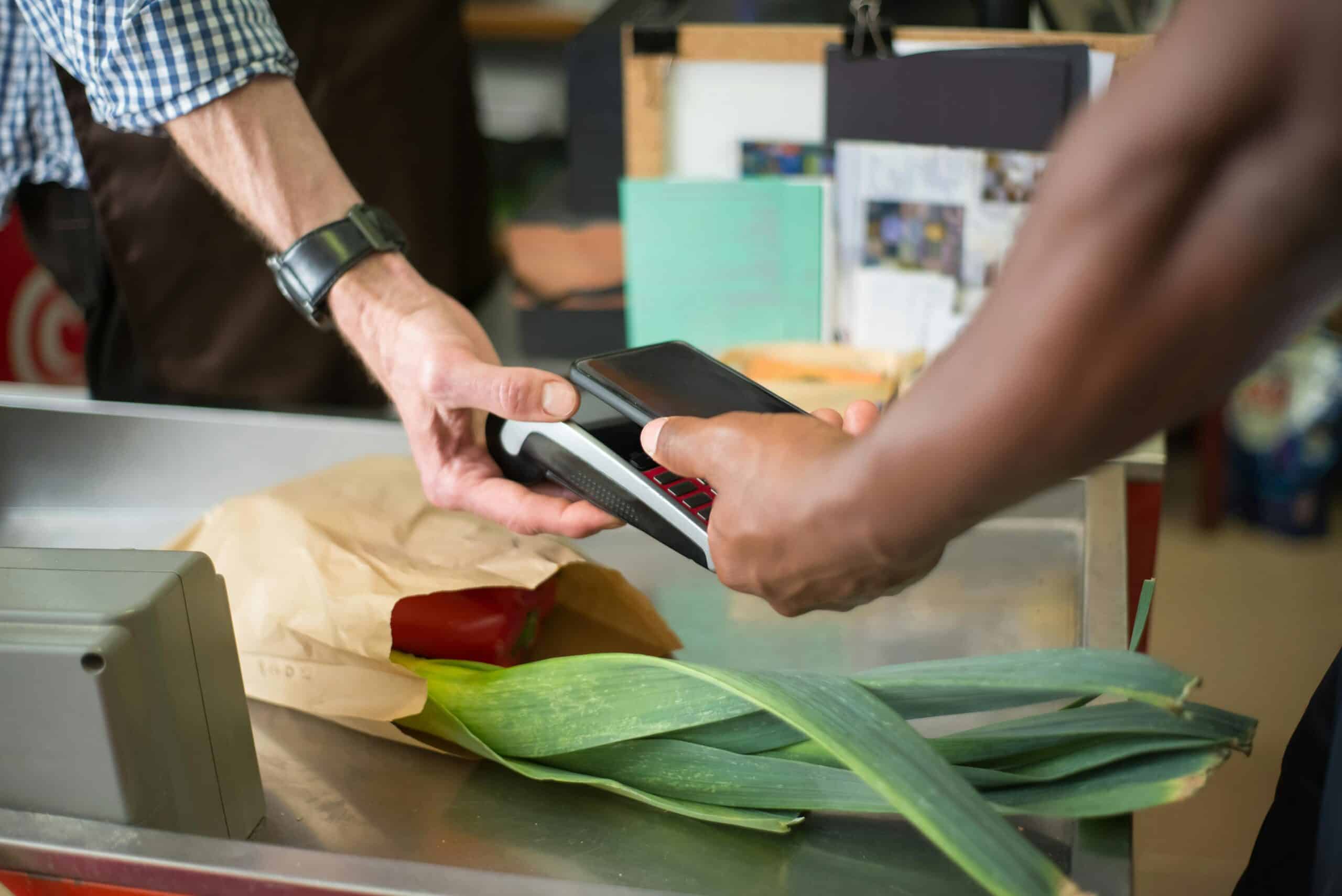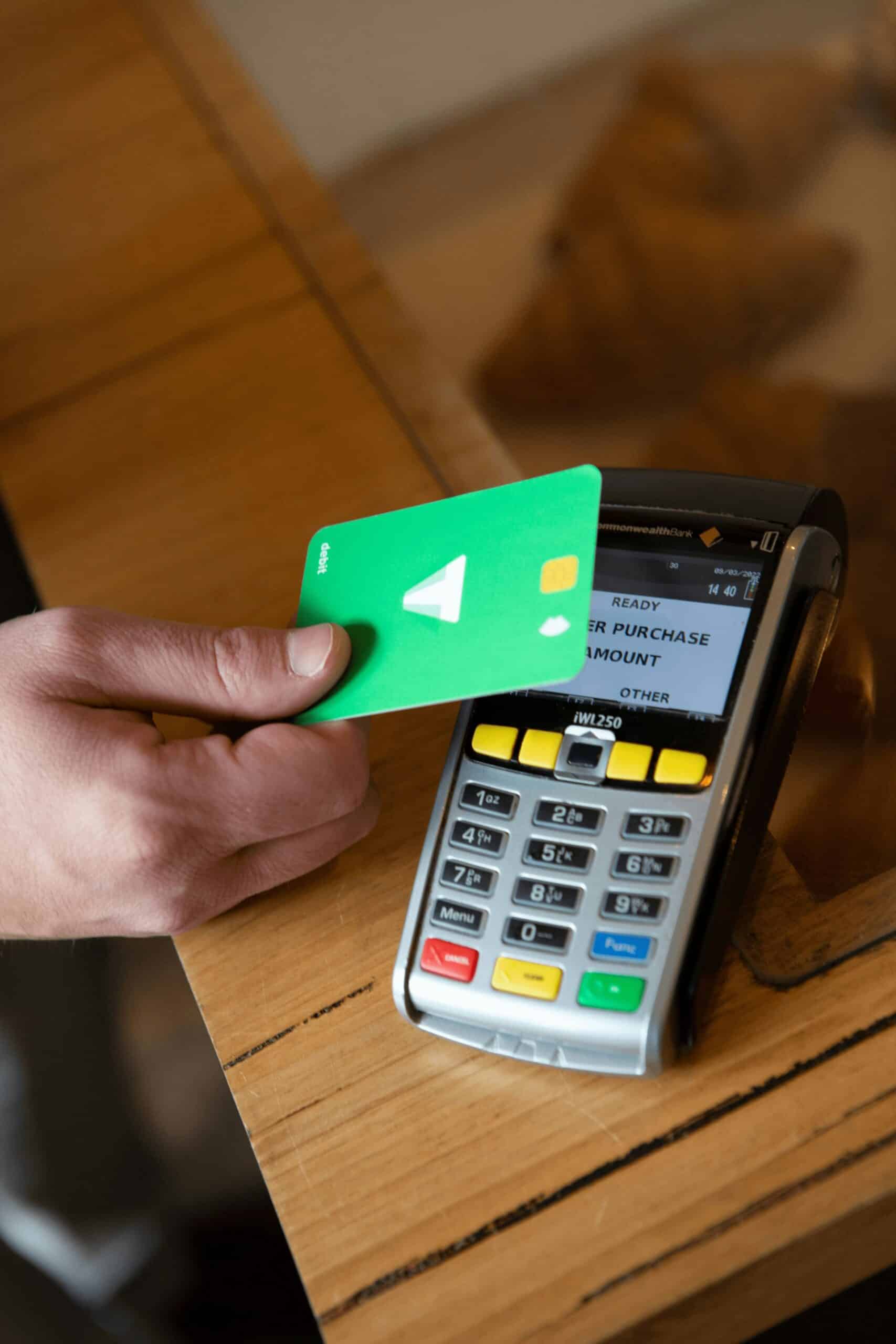



How people pay is changing rapidly. Cash and credit cards are not the only current dominant payment options anymore. By 2025, consumers and businesses will be utilizing alternative payment solutions to include digital wallets, cryptocurrency and account-to-account transfers. They offer faster payment solutions, lower fees and convenience. For merchants—especially those in high-risk sectors like nutraceuticals, CBD, and subscription services—adding alternative payments to their menu of offerings does more than keep them current; it helps their businesses survive in a growing global marketplace. Customers expect payment flexibility and speed; if your business doesn’t offer it, they’ll go to the competition that does.
What Are Alternative Payment Methods?
Alternative payments are any payment solution outside of cash and credit card transactions. They include mobile wallets like Apple Pay or Google Pay, cryptocurrency like Bitcoin and stable coins as well as new account-to-account options like real-time payments or open banking[1]. Consumers can purchase goods and services using resources they likely already use in daily life—on their phones or within their blockchain wallets. Merchants stand to benefit from alternative payments by reaching a larger consumer base and opening themselves up to even more revenue potential.
Why Do Consumers Want Alternative Payment Methods?
Consumers want alternative payment methods because they value speed, convenience and security. For example, digital wallets encourage one-click payments instead of digging through personal information to manually enter credit card numbers. Cryptocurrency appeals to those who value privacy and/or reside in developing markets where access to banks is limited; thus, alternative payments grant them access to ecommerce that was otherwise impossible with cash-only states of being[2]. For merchants, meeting consumer requirements means improved conversion rates and customer retention.
Why Are Alternative Payment Methods Important To High-Risk Merchants?
Many high-risk merchants have trouble getting merchant accounts or are charged higher-than-average rates for credit card processing. Alternative payments provide additional channels. For example, CBD companies can process stablecoin payments to avoid banks that ban these businesses, while subscription-based businesses can process payments with digital wallets that allow for recurring billing. Alternative payment methods provide solutions where there might not be any traditional options and create more reliable revenue streams for industries that would usually be excluded from mainstream financial offerings[3].
What Are the Benefits of Implementing Alternative Payments?
Merchants looking to expand their horizons could benefit from implementing alternative payments as they encourage lower transaction fees, improved payment processing times, and extended reach for customers. Additionally, providing flexible payment choices minimizes cart abandonment while helping overall sales. For high-risk merchants, alternative payments also act as payment backups should traditional processors freeze business accounts or place holds on funds. Having access to multiple avenues means merchants remain flexible, innovative and customer-centric.
What Are the Downsides of Alternative Payments For Merchants?
Alternative payments boast merchant benefits but can come with challenges. For example, integration requires costs, regulatory concerns must be paid attention to, and fraud must be handled delicately. Cryptocurrency can decrease in value; BNPL increases merchant exposure if customers do not pay; real time payments are often irrevocable increases exposure to fraud so high-risk merchants need to work with partners experienced with these issues who provide safe solutions. Without highly experienced providers, alternative payments can leave businesses vulnerable[4].
What's Next for Alternative Payment Methods?
In ten years’ time alternative payment methods will be the norm. Merchants adopting alternative payment methods like digital wallets, crypto, and real-time payments can stay ahead of shifting customer expectations. Digital wallets will grow, cryptocurrency and stablecoins will integrate into international commerce more seamlessly and real-time networks will alleviate lag times upon receipt. Merchants must understand the best way to diversify payment offerings while complying with regulations. Especially high-risk merchants should expand beyond credit card processing today; doing so helps position them for sustainable growth in the future.
Six Examples of Alternative Payments That Will Dominate in 2025
Digital Wallets
Mobile wallets have taken off—more consumers use Apple Pay, Google Pay and Samsung Pay than any other avenue—and have features that offer faster, safer and contactless payments online and in-person.
Cryptocurrency
Coins like Bitcoin and Ethereum are decentralized and appeal to those who value privacy or live in regions with limited banking options.
Stablecoins
Tethered to fiat currency, stablecoins provide most of the advantages of crypto without price fluctuations, making them ideal for cross-border payments or for those in high-risk industries.
Buy Now Pay Later (BNPL)
BNPL services give consumers options to pay over time and increased conversion rates for ecommerce merchants who are more likely to sell when buyers know they can pay a little now and a little later.
Real-Time Payment
The account-to-account solution integrates with real-time payment networks to allow immediate payments to settle which improves cash flow for merchants while making customers happier.
Open Banking
Open banking initiatives from across Europe and North America allow for consumer-to-consumer account transfers, reducing dependence on card-based networks as well as offering payment transparency.
FAQ
Q: What are alternative payments?
A: Payment options outside of cash and credit cards such as digital wallets, cryptocurrencies, stablecoins, BNPL and real-time payments.
Q: Why are alternative payments important for merchants?
A: Merchants will see improved conversion rates, reductions in costs and expanded consumer access while having backup options should traditional processors put caps on what can be processed.
Q: How do alternative payments help high-risk merchants?
A: They provide safe, flexible payment rails that avoid stringent banks while reducing delay in settlements that increase reliability in high-risk deemed industries.
Q: What are the risks involved with alternative payments?
A: Regulatory compliance concerns exist as well as fraud pitfalls and integration costs which requires expertise from the payment provider[5].
Q: What trends will emerge with alternative payments?
A: Expect digital wallets in use even more frequently, expansion of stablecoins in addition to AI driven fraud tools and integration of real-time payments into general ecommerce.
Sources
- Visa. “Alternative Payment Solutions.” Accessed August 2025.
- Federal Reserve. “Developments in Payment Systems.” Accessed August 2025.
- International Monetary Fund. “Emerging Payment Trends.” Accessed August 2025.
- Bank for International Settlements. “Innovation in Retail Payments.” Accessed August 2025.
- PCI Security Standards Council. “Security Standards for Emerging Payments.” Accessed August 2025.