

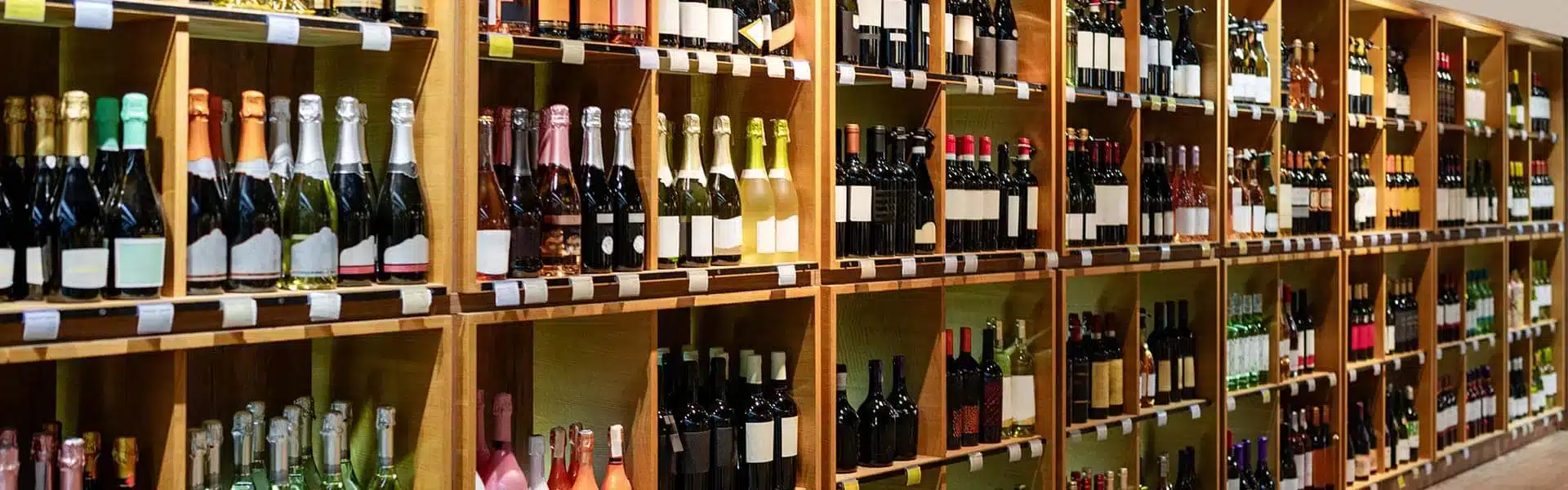

Alcohol payments are not the same as ordinary retail payments. Customers may purchase wine online, beer in store, join a wine club, buy a tasting room ticket, or order alcohol for delivery or from a wholesaler.
Therefore, an alcohol merchant account must accommodate more than just card payments. It must account for licensing, age verification, delivery, point-of-sale systems, ecommerce systems, wine clubs, wholesaler payments, chargebacks, and more.
Why Alcohol Businesses Need Specialized Payment Processing Solutions
Due to the regulated nature of alcohol products, business owners must adhere to age restrictions and various sales channels. While a liquor store may process many in-person transactions, a winery may receive orders through direct-to-consumer sales, club sales, tastings, and online orders.
Each state in the U.S. has the authority to regulate alcohol within its borders. The TTB explains that these requirements can be more restrictive than federal regulations. Therefore, alcohol payment processing is more than just comparing payment processing rates.
Why Alcohol Merchant Accounts Are High Risk
Due to alcohol regulations, merchants are required to provide information on alcohol licensing, the types of products they sell, how they sell them, and whether they deliver alcohol. A retail store selling liquor in person is less risky than a company that sells alcohol online across state lines.
It does not mean that alcohol merchants can not get approved for merchant accounts. However, the application will need to include information on whether the business is licensed to sell alcohol, whether it complies with alcohol regulations, and how it sells its products. The merchant will be asked questions about the type of alcohol they sell and how they sell it.
Who Needs Alcohol Merchant Accounts
This guide is useful for alcohol businesses that need card, ACH, POS, ecommerce, or invoice payments without relying on a generic processor that may later review the account.
It is especially relevant for:
- liquor stores
- wine shops and bottle shops
- wineries and tasting rooms
- breweries and taprooms
- distilleries
- alcohol delivery businesses
- beverage ecommerce stores
- wine clubs and subscription programs
- restaurants or bars selling packaged alcohol where permitted
- alcohol distributors and wholesalers
- c-stores selling beer, wine or spirits
- merchants comparing alcohol merchant accounts
If alcohol sales are part of the business model, the merchant account should be underwritten around that activity before transactions start.
Alcohol Payment Options Compared
Alcohol merchants often need more than one payment method because retail, ecommerce, club, delivery and wholesale payments work differently.
| Payment Option | Best For | Main Strength | Main Risk To Manage |
|---|---|---|---|
| In-Store POS Payments | Liquor stores, tasting rooms and taprooms | Fast checkout, card-present payments and inventory sync | Age checks, restricted products and POS configuration |
| Ecommerce Checkout | Online wine, beer or spirits sales where permitted | Convenient online ordering and customer reach | Licensing, state rules, age verification and shipping limits |
| Local Delivery Payments | Retailers offering delivery or pickup | Supports modern ordering and local customer convenience | Delivery-area rules, ID checks and proof of delivery |
| Wine Club / Recurring Billing | Wineries and subscription programs | Predictable revenue and retention | Renewal clarity, cancellation rules and failed payments |
| ACH / eCheck | Wholesale invoices, distributors and higher-ticket orders | Lower card-fee dependence and strong fit for B2B payments | Authorization, returns and reconciliation |
| Virtual Terminal / MOTO | Phone orders and back-office payments | Useful for repeat customers and office-entered orders | Card-not-present risk and documentation requirements |
| Payment Links | Remote invoices and quick payment requests | Easy to send by email or text | Must be tied to a clear order or invoice |
| Multi-Location POS | Retail chains and distributor networks | Central reporting and standardized controls | More setup, training and permissions management |
The best payment mix depends on the license type, sales channel, state footprint, average ticket, delivery model and whether the business sells to consumers, retailers or both.
Best Alcohol Merchant Account Providers Compared
Provider fit depends on the merchant’s license, product category, sales channel, ecommerce model, DTC footprint, chargeback history and whether the business needs POS, ACH, recurring billing or wholesale payment tools.
| Provider Or Setup | Best Fit For | Key Strength | Main Tradeoff |
| Payment Nerds | Alcohol retailers, wineries, delivery businesses and distributors that need merchant account guidance and processor-fit support | Strong fit for alcohol merchant account planning, POS, ecommerce, ACH, gateway strategy, chargeback controls and Visa Acquirer Monitoring Program (VAMP) monitoring | More consultative than a self-serve payment app |
| Easy Pay Direct | Alcohol and liquor merchants needing high-risk account support and recurring billing tools | Alcohol merchant account positioning, recurring billing, chargeback mitigation and gateway support | Terms depend on underwriting and processor fit |
| PaymentCloud | Alcohol merchants needing application support and high-risk placement | Alcohol merchant account page, online payment support and high-risk positioning | Pricing, reserves and approval depend on documentation |
| InovioPay | Online alcohol merchants, liquor subscriptions and recurring billing models | Online alcohol positioning, recurring billing and account updater support | More specialized than many small local retailers need |
| SoarPay | High-risk alcohol merchants comparing merchant account options | High-risk placement, fraud filters and integration compatibility | Terms vary based on license, sales channel and risk profile |
| Authorize.net + Merchant Account | Alcohol merchants that want a familiar gateway with virtual terminal and eCheck tools | Gateway recognition, online payments, eCheck and fraud tools | Merchant account approval still depends on alcohol support |
| NMI + Merchant Account | Alcohol ecommerce, clubs and multi-channel merchants needing gateway flexibility | Processor compatibility, recurring billing, tokenization and reporting | Requires more setup discipline than a bundled account |
| Fintech PaymentSource | Alcohol distributors and wholesale beverage suppliers | Alcohol distributor payment collection and AR automation | More focused on distributor workflows than consumer retail checkout |
| POS + Alcohol Merchant Account | Liquor stores, tasting rooms and c-stores | Connects checkout, inventory, age prompts and card payments | Requires POS and processor configuration |
Payment Nerds is usually the strongest fit when the merchant needs help matching alcohol merchant accounts, POS systems, ecommerce gateways, ACH, DTC shipping workflows and chargeback controls. A single software tool may solve one part of the payment flow, but alcohol merchants need the account, gateway and compliance workflow to fit together.
How VAMP Impacts Alcohol Merchants
The Visa Acquirer Monitoring Program (VAMP) is the card network’s program to monitor fraud and dispute activity. The VAMP ratio is the percentage of fraud and non-fraud disputes relative to the total number of settled Visa transactions.
The TC40 is the percentage of fraud reports relative to the total number of transactions. The TC15 is the percentage of disputes (chargebacks) relative to the total number of transactions.
For alcohol merchants, VAMP is a concern for transactions not presented to the customer in person. These types of transactions can include online alcohol sales, delivery orders, alcohol club memberships or subscriptions, or orders in which the customer does not present their card at the point of sale.
The Visa Acquirer Monitoring Program (VAMP) also includes monitoring for enumeration attacks on merchants’ websites. Enumeration is when bots attempt to enter multiple credit and debit card numbers on a merchant’s checkout page. The enumeration ratio is the number of suspected enumeration attempts relative to the total number of authorization attempts on the merchant’s site. The VAAI is Visa’s measurement of the enumeration ratio. An enumeration ratio of Standard or Excessive indicates that the merchant may be under investigation for enumeration activity and may be subject to fees.
For alcohol merchants, ensuring that every card-not-present transaction is defensible is of the utmost importance. Maintaining sales and delivery records will help merchants to better justify every transaction and continue to receive positive VAMP and enumeration attack monitoring scores.
Choosing Alcohol Payment Processing in 2026
Start with the business model. A brick-and-mortar store has a different needs than someone who sells directly to consumers, delivers products or is a distributor.
Then compare the features. What matters most includes POS systems, ecommerce platforms, age verification systems, ACH payments, virtual terminals, subscription models, payment links, fraud detection, delivery invoice printing and support for the sale of alcohol. The best system will make it easier for the business to be underwritten and to operate.
Understanding Alcohol Merchant Account Costs
Alcohol merchant account costs include processing rates, monthly account fees, gateway fees, POS software costs, terminal costs, ACH fees, virtual terminal fees, recurring billing fees, account updater fees, fraud tools, PCI compliance costs, and possible chargeback and reserve fees.
If you are an alcohol merchant who sells online or ships your product to customers across multiple states, uses recurring billing, has high sales tickets for your products, or has had a chargeback history with your merchant account, you will pay more for your merchant account costs.
The question is not “what is the rate?” for your alcohol-sales merchant account. The more important question is whether your merchant account can handle alcohol sales without placing holds on your account or abruptly shutting it down.
Common Alcohol Payment Processing Mistakes
The biggest mistake is using a payment provider that does not support alcohol sales. Many payment providers will allow a few initial sales to go through before reviewing the account for alcohol sales, delivery, DTC, and subscription sales.
Another mistake is treating compliance and payments separately. If the business does not maintain proper compliance with shipping, delivery, refund, and other policies, then sales of alcohol will also be considered a mistake by the payment provider.
Documents Needed for Alcohol Merchant Account Approval
Alcohol merchants should be ready to provide:
- business formation documents
- owner identification
- business bank account details
- alcohol license or permit information
- website, ecommerce or POS details
- product categories sold
- state footprint and sales channels
- DTC shipping or delivery policies if applicable
- age verification process
- adult-signature or ID-check workflow if applicable
- refund and cancellation policy
- chargeback and refund history if available
- prior processing statements if available
- average and maximum ticket size
- expected monthly volume
- recurring club or subscription terms if used
- distributor or wholesale invoice workflow if used
- POS, gateway and inventory system details
The goal is to show the processor that alcohol sales are licensed, documented and controlled.
Key Features of Alcohol Payment Processing
License-Aware Underwriting
When considering the features of an alcohol merchant account, it’s important to review the license of the business and the products that will be sold. Each type of license may come with different documentation and requirements for underwriters to complete the merchant account approval process. These can include forms related to the business formation, alcohol licenses, websites, sales and delivery channels, DTC shipping details, and policies regarding refunds and chargebacks for the business. Providing these documents to the underwriter will help to reduce any surprises after the merchant account is approved.
Age Verification And Delivery Controls
For merchants that take and deliver alcohol, age verification is an essential part of the payment processing system for alcohol. In most instances, a simple age gate on an ecommerce site is insufficient for the requirements of alcohol-related businesses. Those businesses will need age and identification verification at the point of purchase as well as at the time of delivery. Additionally, in the case of charge and delivery disputes, these documents will be necessary to provide to the ecommerce payment processor to substantiate the delivery of the alcohol to the customer.
POS, Inventory And Restricted Product Support
Any payment system for alcohol-related businesses will need to work alongside a point-of-sale (POS) system for that business. The POS system will manage the sales of alcohol products, inventory management, age verification at point-of-sale (POS) terminals, staff permissions, taxes, and many other features related to alcohol sales. Additionally, the payment system should be integrated with the POS system for that company’s success.
Ecommerce And DTC Shipping Workflows
For wineries, breweries, distilleries and ecommerce alcohol retailers, there are specific requirements for each state in the nation for ecommerce deliveries. The Wine Institute, for example, has published information on how alcohol companies can maintain compliance with their states in 2026. Any ecommerce site will need features related to destination controls, taxes, shipping restrictions, age verifications, adult signature controls, return policies and customer records management. These features should be connected to the payment gateway so the ecommerce site and customer are compliant with all regulations.
Recurring Billing For Clubs And Subscriptions
Revenue from wine clubs, beer clubs, spirits clubs and VIP bottle clubs may be steady for the company, but the nature of recurring charges can create financial disputes between the club and its members. Customers should be made aware of the billing frequency for club memberships, how to cancel memberships, policies regarding refunds and changing payment information for club members. Any merchant and merchant gateway should have support for these features related to clubs and members.
Distributor And Wholesale Payment Support
Distributors of alcohol products often have different requirements than ecommerce alcohol stores regarding payment systems. For instance, their merchant account may use ACH or other forms of B2B payments rather than requiring that customers use credit and debit cards to purchase products. Additionally, the wholesalers may work with many other businesses rather than direct customers. Furthermore, the payment and accounting systems for wholesalers may have to reconcile more transactions than an ecommerce business due to the management of invoices and deliveries and payments related to those distributors.
FAQs About Alcohol Payment Processing
Q: What is an alcohol merchant account?
A: An alcohol merchant account allows business owners to accept payments from their customers. Eligible businesses can accept card, ACH, POS, ecommerce, invoice, delivery, virtual terminal, and recurring payments. The account must be underwritten according to the business license, the type of alcohol they offer, and where they sell their products.
Q: Why is alcohol payment processing considered high risk?
A: Alcohol sales are regulated by the buyer’s age, the state in which the alcohol is sold, and for DTC (direct-to-consumer) sales. Therefore, because of these regulations, alcohol payment processing is considered high risk. Online alcohol stores and clubs that use recurring payments may also experience chargebacks.
Q: What types of businesses need an alcohol merchant account?
A: Businesses that require an alcohol merchant account include liquor stores, wineries, breweries, distilleries, wine clubs, alcohol delivery services, beverage ecommerce stores, and restaurants that sell alcohol packages (if permitted).
Q: Can wineries accept online payments for DTC shipping?
A: Wineries can accept online orders for DTC shipping if their license and destination states allow for DTC shipping with applicable taxes and age verification. Each state has different regulations, so the winery must be able to handle DTC orders in accordance with each state’s regulations.
Q: Can alcohol distributors accept ACH payments?
A: Alcohol distributors can accept ACH payments for their wholesale orders and products. ACH payments for alcohol distributors reduce the need for card payments and allow for more control over the receipt of these payments from alcohol wholesalers.
Q: What should an alcohol payment processing solution include?
A: An alcohol payment solution must include options for in-store or online sales, age verification, delivery documentation, ACH payments, the ability to handle recurring alcohol club sales, fraud prevention software, and tools to monitor chargebacks and payment gateways for alcohol sales.
Q: Can alcohol merchants use Stripe, PayPal, or Square?
A: These companies do allow some liquor and wineries to use their platforms to accept alcohol payments. However, due to regulations on alcohol sales, these companies may review alcohol sales more closely during the application process. Merchants should confirm the vendor accepts alcohol sales before using this provider to handle their alcohol sales.
Q: Does the Visa Acquirer Monitoring Program (VAMP) impact alcohol merchants?
A: The Visa Acquirer Monitoring Program (VAMP) reviews the transactions of merchants for fraudulent activity. Alcohol merchants that take place online or through recurring alcohol clubs face the highest levels of chargebacks and may be impacted by this program.
Q: Can Payment Nerds help alcohol merchants get approved for merchant accounts?
A: Payment Nerds can assist alcohol merchants with comparing available merchant account options for liquor, wineries, alcohol delivery services, and alcohol distributors. Options may include payment processing, in-store and ecommerce POS systems, ACH payments, and software for managing chargebacks.
Conclusion
Alcohol merchants have unique needs for payment processing solutions that reflect the specifics of their businesses. Whether you sell liquor, wine, or beer, or deliver alcoholic beverages to customers, your business likely has different needs than other retailers.
Payment Nerds can help alcohol merchants compare merchant accounts, alcohol payment processing, POS systems, and more. When choosing an alcohol payment processing solution, merchants want to ensure their business accepts payments and avoids compliance and payment processing issues.
Sources
- Alcohol and Tobacco Tax and Trade Bureau. “Alcohol Beverage Authorities in United States, Canada, and Puerto Rico.” Accessed June 2026.
- Wine Institute. “Direct-to-Consumer Shipping Laws for Wineries.” Accessed June 2026.
- Wine Institute. “State Shipping Laws FAQs.” Accessed June 2026.
- National Conference of State Legislatures. “Direct Shipment of Alcohol State Statutes.” Accessed June 2026.
- NACS. “NIQ: C-Stores Gain Share of Wine and Spirits.” Accessed June 2026.
- Distilled Spirits Council of the United States. “Distilled Spirits Council Annual Economic Briefing 2025.” Accessed June 2026.
- Easy Pay Direct. “Alcohol Merchant Account.” Accessed June 2026.
- PaymentCloud. “Alcohol Merchant Account.” Accessed June 2026.
- InovioPay. “Online Alcohol Merchant Accounts & Payment Processing.” Accessed June 2026.
- SoarPay. “High Risk Merchant Account Provider.” Accessed June 2026.
- Fintech. “Alcohol Payment Solutions for Distributors & Wholesalers.” Accessed June 2026.
- Visa. “Visa Acquirer Monitoring Program Fact Sheet.” Accessed June 2026.
- PCI Security Standards Council. “Merchant Resources.” Accessed June 2026.