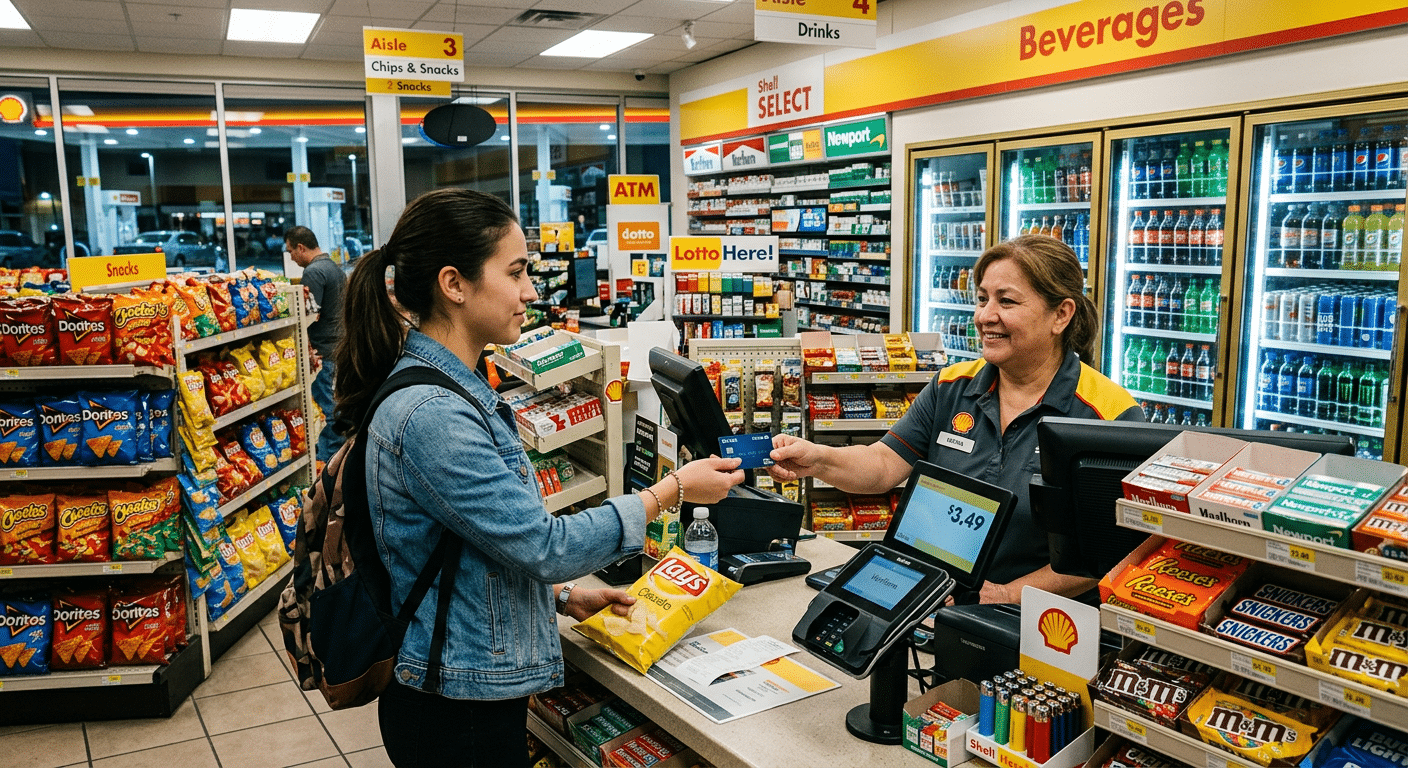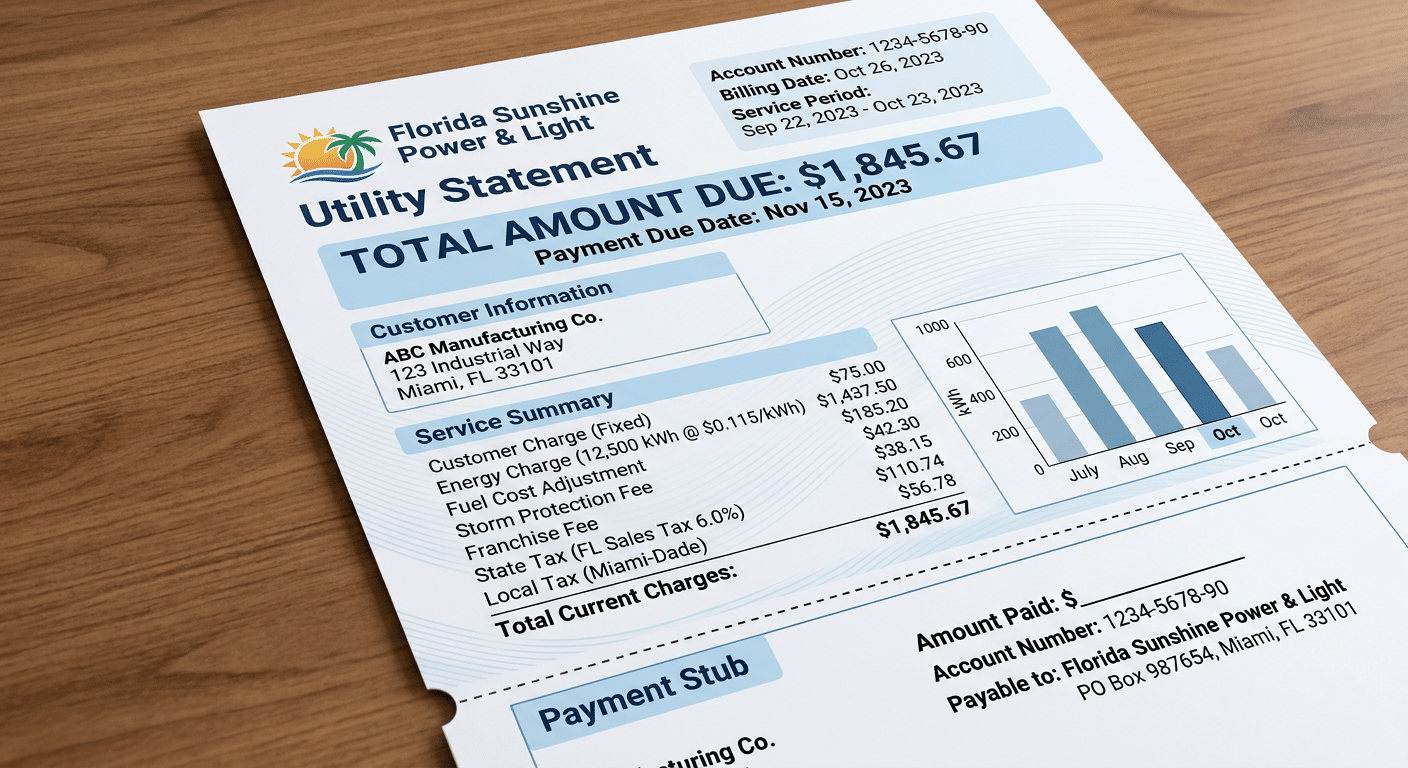



When you’re receiving card payments via the phone, fax, or a standard envelope in the mail, you’re in a world of speed, increased risk, and potential beyond most online checkouts. In 2026, MOTO payment processing remains one of the most common ways service-oriented businesses, call centers, and B2B teams get their payments, but it’s also one of the quickest ways to trigger declines, chargebacks, and funding reviews unless your system is set up for it. The most effective payment processing method isn’t a single feature; it’s how underwriting, fraud mitigation, and other process elements overlap effectively. This article will discuss the most common MOTO configurations, effective solutions, and how to ensure consistent solutions as your business grows over time.
What MOTO Payment Processing Means In 2026
MOTO is an abbreviation for mail order/telephone order and refers to card-not-present transactions in which a customer provides their card information from afar, and you process it through a virtual terminal, POS, or payments app. It’s different from e-commerce because you don’t charge the customer directly at the web checkout initially, even if you plan to invoice or email a receipt later. For underwriting and risk teams, MOTO payment processing usually implies more entries, less common customer authentication, and a higher risk of I-didn’t-authorize-this chargebacks.
When a provider’s documentation discusses the payment processing MOTO, it’s usually relative to how the transaction is flagged, routed, and risk-scored in the aftermath. This flag could determine approval rates, processing costs, and the options you have to reduce chargebacks.
Why Payment Processing MOTO Is Treated Differently Than Ecommerce
E-commerce is inherently more structured—user accounts, device IDs, duplicated fields due to the repetitive nature of filling in entry boxes. MOTO is more dependent on your business’s metrics, since agents have to take time to enter card information, and the customer may not have a direct online record of what they selected. This less standardized nature is exactly why chargebacks and fraud exposure are higher with MOTO payment processing—especially when you have after-hours payment acceptance, high-ticket sales processing, or recurring billing management.
For many merchants, it’s not even fraud that poses the highest level of exposure, but misinformation. If a customer does not like the descriptor provided, doesn’t understand the refund time frame, or feels they were charged in error, the dispute generally goes to the bank. If your business runs phone orders, you’ll want a processor that explicitly supports MOTO underwriting (so you don’t get sudden holds later). Talk to Payment Nerds about a MOTO-ready setup.
The Major Types of MOTO Processing Solutions Compared
There are three “shapes” of most MOTO payment processing solutions, and which works best for your situation depends on how you sell. The first is an all-in-one, embedded virtual terminal solution that enables quick onboarding and minimal configuration. This is ideal when volume is low to medium. Still, when ticket size spikes or chargeback history changes, it can become tenuous, as the provider often sets the underwriting corridor.
The second is a gateway and dedicated merchant account, where you use a virtual terminal or invoicing solution with a processor and acquiring partner that independently underwrites your situation. This solution is more stable over time, with more dependence on limits set, reporting, and risk tolerance settings, and is typically better for those who anticipate high volume or larger payment requests in the future.
The third is a high-risk specialized solution. Standard solutions do not welcome certain providers and specific processing patterns. If your situation, whether it be your industry, your volume, or your billing pattern, could result in declines, a specialized approach can be more high-risk getting onboarded as it requires more documented evidence for justification, but more stable once running. For many merchants, it’s the difference between “approved” and “approved in a manner that still makes sense three months later.”
When To Use MOTO Payment Processing Instead Of Payment Links Or Invoices
MOTO is appropriate when a customer is actually giving authorization to pay in the moment for a time-sensitive need you have (e.g., call center sale, service dispatch, emergency), and the customer cannot do so via online checkout. While payment links and hosted invoices are technically more secure and easier to document, they do not always lend the same immediacy of a sale made over the phone.
Therefore, the best approach is to use MOTO payment processing sparingly and divert lower-risk customers to invoice or link-based avenues whenever feasible. This better documents and often better uniformly approves while keeping MOTO for when it’s truly needed.
What To Look For In MOTO Payment Processing Solutions
Does payment processing MOTO alleviate your pain points in these areas? The best solution makes approvals, funding, reconciliation, and dispute prevention seamless. Approvals are seamless when your payment processor understands your ticket size, daily volume, and industry. Funding becomes the norm when underwriting expectations are set and known, based on consistent processing patterns and repeatable risk mitigations.
Reconciliation is seamless when a keyed transaction can be attributed to a customer, invoice, and agent with minimal educated guessing. Dispute prevention is stronger when your operational process can record permission, send confirmations, and offer refunds and cancellations.
Pricing, Funding, And Reserves In MOTO Payment Processing
MOTO pricing is often more expensive than entirely card-present acceptance due to the risk and manual entry required. Funding and reserve requirements change from processor to processor, and this is where merchants get blindsided. If your processor is vague about what’s within their power to review, you’re more likely to run into surprise holds during the holiday season or after a large volume of returns.
A successful MOTO payment processing relationship is established from the get-go, with honest limitations that cater to your usage, and a history of how you’ll handle authorizations and resolutions. The best processors would rather start you off with conservative approval and build as you go, using history to show it’s working, than give you aggressive approval and dial down standards after the fact.
Integrations And Workflow Fit For MOTO Payments
The best tools are based on what your team does. Some businesses need a virtual terminal that features agent permissions, audit trails, and easier access to their on-the-phone customers. Some businesses require invoicing and partial payments that reconcile into accounting systems, so finance doesn’t have to piece together reports.
If there is a lot of volume with selling over the phone, make sure there are features that prevent agent errors—required fields, saved customer histories with the right approval, and the right notations about what was purchased during the call. Good MOTO payment processing is as much a preventive for errors as it is a risk preventer that reduces disputes and chargebacks.
How To Choose The Best Payment Processing MOTO Provider For Your Business
In the end, you will find the best payment processing MOTO provider not by ticking off a list of features but instead, by aligning with your reality. Larger tickets? Recurring billing? Are disputes more sensitive? You need underwriting that cares about your model and a support team that can pivot when things change. Small but poised for growth? You’ll want to ensure you have the tools to scale without revamping everything else to accommodate hitting thresholds.
Finally, how will you prove you are worth it? The best MOTO payment processing provider will be one that enables you to create a repeatable process to ensure approvals, meet subsequent funding expectations, and reduce disputes down the line.
Fraud And Chargeback Controls For Payment Processing MOTO
AVS And CVV Policies
AVS and CVV policies are some of the more basic controls in MOTO payment processing, but the kicker is consistency. If every agent doesn't use them every time or opts out because they “feel” a transaction is bad, and conversely, adds them only because they're suspicious, then results are inconsistent, and your reporting is a mess. A strong payment processing solution outlines when an AVS or CVV is warranted and what to do if the findings don't match. That consistency allows you to appeal against chargebacks and maintain trends in approvals.
Call Recording And Order Documentation
For payment processing MOTO, more documentation is required than you'd think, for a customer never actually clicked through a purchasing process. Call recordings, no authorization verbiage, and clear documentation of orders all reduce “no authorization” chargebacks and shorten representation when it comes to it. It's not for unreasonable administrative stress; rather, it's to create a paper trail that makes sense through how an institution would assess the claim. Without evidence of what the two parties agreed on, you eat the fee even when the original sale was perfectly legitimate.
3D Secure And When It Does Not Apply
3D Secure applies to ecommerce authentication flows, many MOTO transactions do not. That does not mean authentication is ignored, but instead, more advanced verification, documentation, and risk scoring takes its place. In addition, if you work in foreign countries or areas that boast powerful authentication appeal, explore how your processor identifies MOTO transactions and what exemptions or regulations exist. For 2026, it means you need to partner with a processor that understands how MOTO operates, not one who gives vague answers.
Velocity Controls And Manual Review
Card testing, attempts to rapidly swipe, and all other velocity controls can negatively impact MOTO systems if someone finds a poor virtual terminal solution. Velocity limits on attempts per card, customer, agent, and time frame help flag this early on. Manual review comes into play, but only when needed, limited in scope; if your team is constantly manual reviewing on their own, frustration grows with time delays. The better MOTO payment processing solutions rely on automation to identify the obvious offenders and manual review as a secondary measure for real exceptions.
Descriptor, Receipts, And Customer Recognition
Many chargebacks occur because “I don't know what this charge is.” MOTO customers are especially susceptible to that since it was a live-charge over the phone, so your descriptor should be your brand name and your receipt should note what the customer will see on their monthly statement. Confirmations via email and SMS receipts greatly reduce chargebacks simply because customers know what they purchased and how to pivot to support. This is an overlooked aspect of payment processing MOTO that is the least expensive to rectify.
Refund Timing And Dispute Prevention
“I was issued a refund by the merchant” is a chargeback reason tied to refunds, but they never got it or didn't realize how long it would take for it to come through. In MOTO, that frustration breeds chargebacks quickly because customers don't feel they have a digital paper trail of recoverable information. Strong workflows acknowledge the inception of refunds from Day 1, note expectations, and follow up if something is awry. When customers are told that expectations can be had regarding refunds, your chargeback ratio decreases.
FAQs
Q: Is payment processing MOTO the same as keyed-in card payments?
A: Very much the same. Many processors use MOTO as a special, keyed, card-not-present transaction. But the difference is that MOTO usually implies that the cardholder provided the merchant with the information from a distance (over the phone or by mail), rather than standing in front of the terminal. This matters for underwriting since it impacts scoring and expected reasons for disputes. If you’re unsure how your provider marks it, ask them because how it’s marked will impact the outcome.
Q: Who benefits most from payment processing MOTO?
A: Companies that have phone-based sales, call center sales, B2B invoicing pickup, field service dispatch, and more customer service teams often operate with MOTO. Essentially, if a customer cannot get through a digital checkout or needs to pay while you’re on the phone with them to get something done right there and right away, MOTO makes sense. The best fit is when you can authorize the payment and send a confirmation after. The less it’s used, the better, because if you can alleviate the many by switching to hosted invoices or links, you lower your exposure while keeping moto for emergencies.
Q: Why do MOTO transactions get charged back more?
A: MOTO transactions have less automated support for checkout and are more confusing about what was authorized. Meaning, they don’t necessarily know what’s charged when they see the charge on their statement. They might not know how long it takes for a refund to go through—and that it won’t if they don’t action it—based upon a conversation they’ve now regretted. Human error (wrong or duplicate amounts keyed in) with a physical credit card makes it more complicated, too. But good documentation, line-item receipts, and predicted refunds reduce these chances significantly.
Q: How can I keep payment processing moto more consistent over time?
A: Consistency comes from underwriting, workflow, and risk controls that relate to them all. For example, using consistent verification parameters, good documentation, and clear customer service lowers disputes. Similarly, if approvals, refunds, and chargebacks can be tracked by agent and by sales channel, problems can be preemptively identified. If your provider can help you tune the controls as you scale over time, you’ll avoid surprise holds and sudden limitations.
Conclusion
The best MOTO solution is the one that’s best for your selling reality and never changes under duress. The 2026 payment processing MOTO indicates that it’s a good product for telephone sales and invoicing, but it needs more documentation, increased customer education, and a merchant services provider willing to acknowledge the associated risks. With the right MOTO payment processing in place, providers enjoy higher approval rates without disputes, easier reconciliation, and fewer “surprise” audits that risk cash flow.
Sources
- Mastercard. “Transaction Processing Rules.” Accessed January 2026.
- PCI Security Standards Council. “Protecting Telephone-Based Payment Card Data.” Accessed January 2026.
- EMVCo. “Optimising Online Payment Authentication with EMV 3-D Secure.” Accessed January 2026.
- Stripe. “MOTO Payments 101.” Accessed January 2026.
- Adyen. “Mail Order/Telephone Order (MOTO).” Accessed January 2026.
- Square. “What Are MOTO Payments and How Do They Work?” Accessed January 2026.