


Among the many types of retail outlets, supermarkets are among the most demanding from a technological standpoint. The right supermarket POS system can make all the difference to your business.
In this guide, we’ll break down the features that will improve your supermarket operations and what to prioritize when looking for POS systems for supermarkets. You do not want to invest in a system that requires you to do everything manually, even after you acquire the software!
Why a Supermarket POS System Is Different From Standard Retail POS
When it comes to supermarkets, time and money are of the essence. With the number of items a supermarket offers, WIC and EBT processes, and a constantly changing inventory and price list, grocery stores cannot afford to be without specialized software.
The modern supermarket POS system is supposed to reduce friction in all aspects of the business. If it doesn’t, it’s a bottleneck instead of a solution. Even a few seconds of delay in each transaction costs supermarkets a great deal of labor money.
Checkout Features Every Supermarket POS System Needs
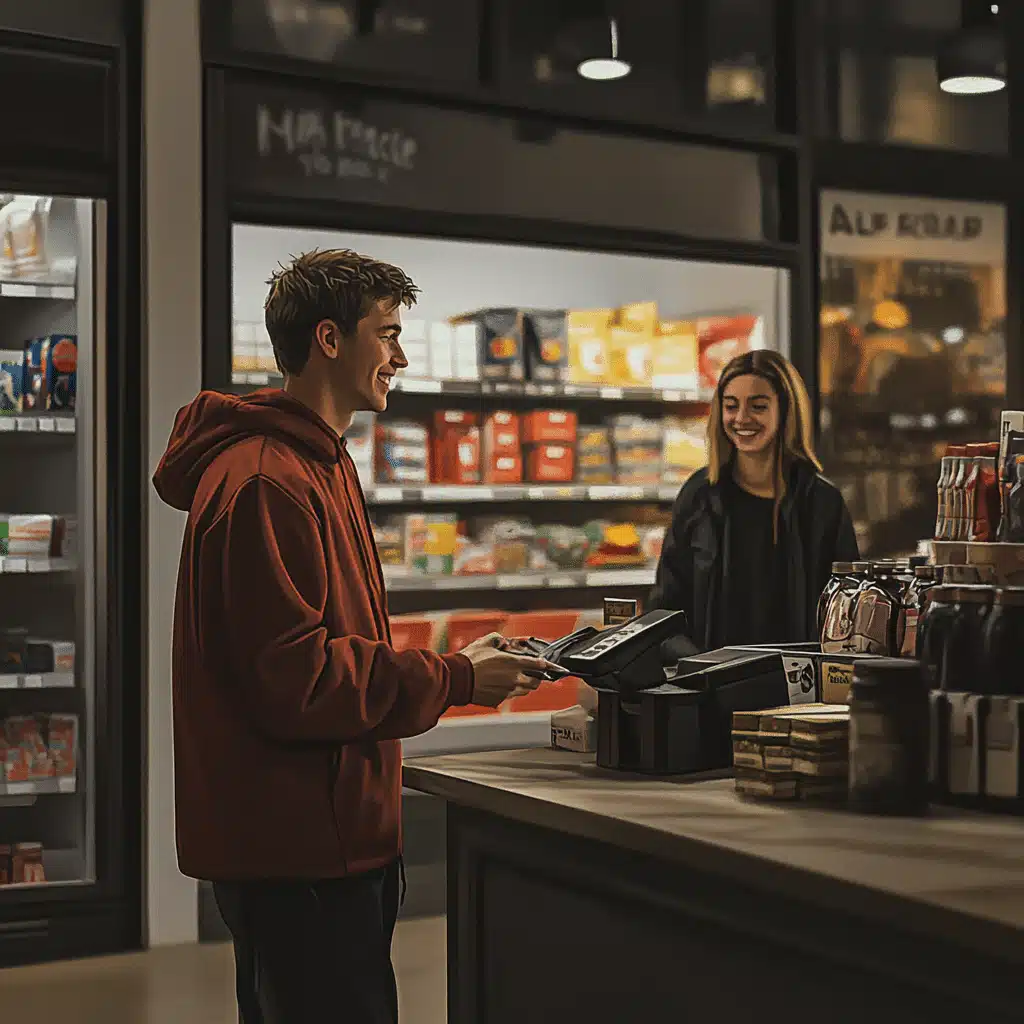
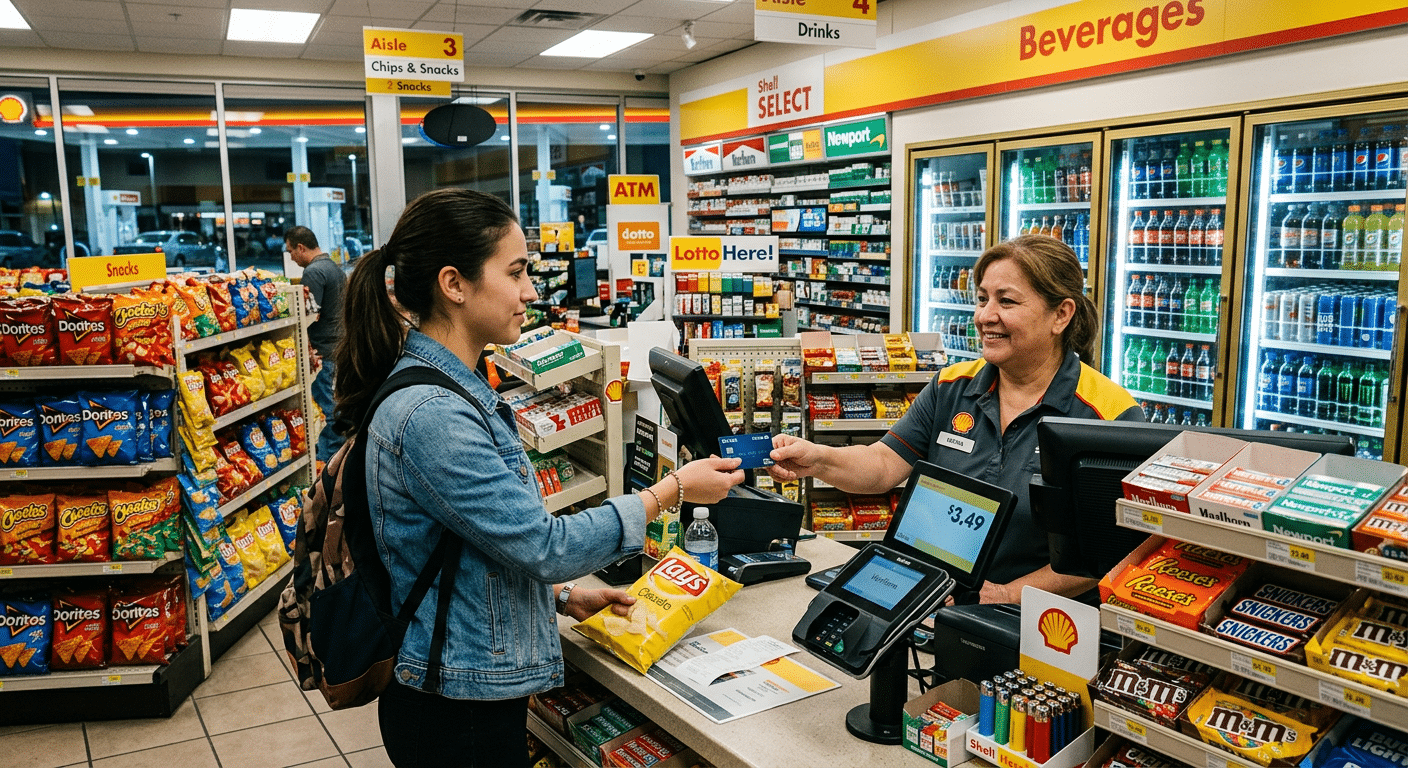
The best POS systems for supermarkets prioritize scan speed, reliability, and flexibility across payment types. Support for self-checkout, mobile checkout, and easy returns will become increasingly important as labor challenges continue. Your system should support split payments, gift cards, and quick receipt delivery via email or SMS.
You also want a system that remains stable during peak hours. If your POS slows down during rush periods, you lose sales, and you create customer frustration.
Inventory Features That Keep Shelves Full And Shrink Low
One feature of a robust supermarket POS system is the ability to track inventory effectively and reduce shrinkage losses. Inventory features may include real-time inventory updates, multi-location management, barcode printing and labeling as needed, and controls to track waste, damage, and inventory adjustments. Most inventory discrepancies stem from operational process issues.
Pricing, Promotions, And PLU Management That Do Not Break
One essential thing for managing supermarket POS systems is promotions. How do you ensure it is easy for staff to manage promotions and pricing? PLU management is a big deal for supermarkets. If you charge the wrong price, customers will be highly dissatisfied. A good supermarket POS helps reduce pricing mismatches.
Loyalty Programs That Actually Drive Repeat Visits
It is impossible to talk about marketing without loyalty programs. The best supermarkets use POS systems that drive loyalty program card use, coupons, and promotions. These programs provide customers with the benefits they want while making them accessible just as quickly. You also want to make it easy for your people on the floor, so no one has to slow down at checkout to address loyalty issues.
Payment Processing For Supermarkets: What To Consider
When it comes to supermarket payment processing, you’re likely looking at a high volume of transactions at a lower cost per transaction than other types of stores. Whether you’re going to accept different types of payments or plan to use that data for a variety of purposes, supermarkets might have certain challenges, especially within certain areas of the industry that are of higher risk. Many supermarkets look for consistency and reliability in their payment processing.
Implementation Tips: Switching POS Without Disrupting Stores
Make sure all common workflows work well and that staff are trained in them. Common “edge” cases should be considered as well, as these are often the most problematic during the first week. Common examples include produce handling, coupons, refunds, EBT, transactions with multiple forms of payment, and so forth. Note that vendor support is critical here; supermarket issues often need to be resolved more quickly than in some other retail situations.
Top Supermarket POS System Features That Matter Most
Real-Time Inventory And Automated Reorder Signals
A great supermarket POS system will allow users to incorporate real-time inventory reordering automation. This feature makes a real-time impact on how supermarkets operate, especially regarding out of stock products, revenue, and customer satisfaction. In 2026, real-time inventory ordering automation and workflows are some of the most important features of POS systems for supermarkets.
Integrated Scale Support For Weighted Items
Many people do not know that weighed item support and integrated scales are a way to automate item and produce prices. However, if there is a slow process for weighed items and the integration of scales, this causes people to wait longer in line and causes issues with pricing accuracy. Supporting these features in supermarket POS systems is needed to improve customer satisfaction.
Centralized Promotion Engine And Digital Coupon Support
Supermarket POS systems need to have the ability to centrally plan, schedule, and deploy promotions. The ability to execute centrally creates more accuracy and confidence for the user executing a promotion or a digital coupon. Many features such as this make a POS system better for supermarkets, which also further adds to why many users upgrade their supermarket POS system.
Loss Prevention Controls And Audit Trails
Loss prevention may be the most important feature and benefit that the best POS systems offer supermarkets. Supermarkets operate on thin margins. That means that they are negatively affected by theft. This is why there is a need for this feature on POS systems for supermarkets.
Multi-Lane Reliability And Offline Mode
The next feature that supermarket POS systems must offer is operation performance uptime. This is because supermarkets cannot afford to have poor internet connection or system downtime, which leads to chaos for customers. This is one of the highest ROI requirements for POS systems for supermarkets.
Reporting That Improves Decisions, Not Just Produces Numbers
The last of the best POS system features and benefits for supermarkets is reporting needs. Reporting software is available through market ERP software integrations. However, it is important that POS systems create reports people want to see and that improve their decisions in regards to operations.
FAQs
Q: What is the most essential feature in a supermarket POS system?
A: The point of the POS system is to make your operations more efficient and increase revenue. That comes down to inventory accuracy, promotion accuracy, and checkout speed. If the inventory and promotions are accurate, you don’t have to go out of your way to make checkout efficient. A supermarket POS system combines all of those features.
Q: Are POS systems for supermarkets different than POS systems for convenience stores?
A: Convenience stores and supermarkets have different needs. Convenience stores focus on fast service. Supermarkets focus on managing inventory for departments and detailed reporting. This requires a different POS system, with features optimized for supermarkets.
Q: Should supermarkets have self-checkout and mobile checkout?
A: Many supermarkets have switched to self-checkout and mobile checkout because it helps with store traffic. It reduces the workload for frontline workers during busy times. A supermarket POS system that integrates well with self-checkout can increase your profits. It will be a hassle if it doesn’t.
Q: How do I evaluate loyalty features in a supermarket POS system?
A: The loyalty features in a supermarket POS system should be easy to use and should offer valuable benefits for your customers. Look for a system that supports digital coupons and targeted offers and can track loyalty activity related to purchase behavior. Loyalty programs are only worth it if they provide value without slowing down checkout.
Conclusion
The best POS systems for supermarkets offer capabilities that extend beyond item scanning and payment processing. A modern POS system offers numerous benefits, including reducing errors, increasing operational efficiency, driving customer loyalty, and ultimately increasing profits for the supermarket. These benefits underscore the importance of investing in the best supermarket POS systems on the market.
Sources
- GS1. “Barcode Standards.” Accessed January 2026.
- National Retail Federation. “National Retail Security Survey.” Accessed January 2026.
- Food Industry Association (FMI). “Research and Insights.” Accessed January 2026.
- PCI Security Standards Council. “PCI Security Standards Overview.” Accessed January 2026.
- Visa. “Dispute Management Guidelines for Visa Merchants.” Accessed January 2026.