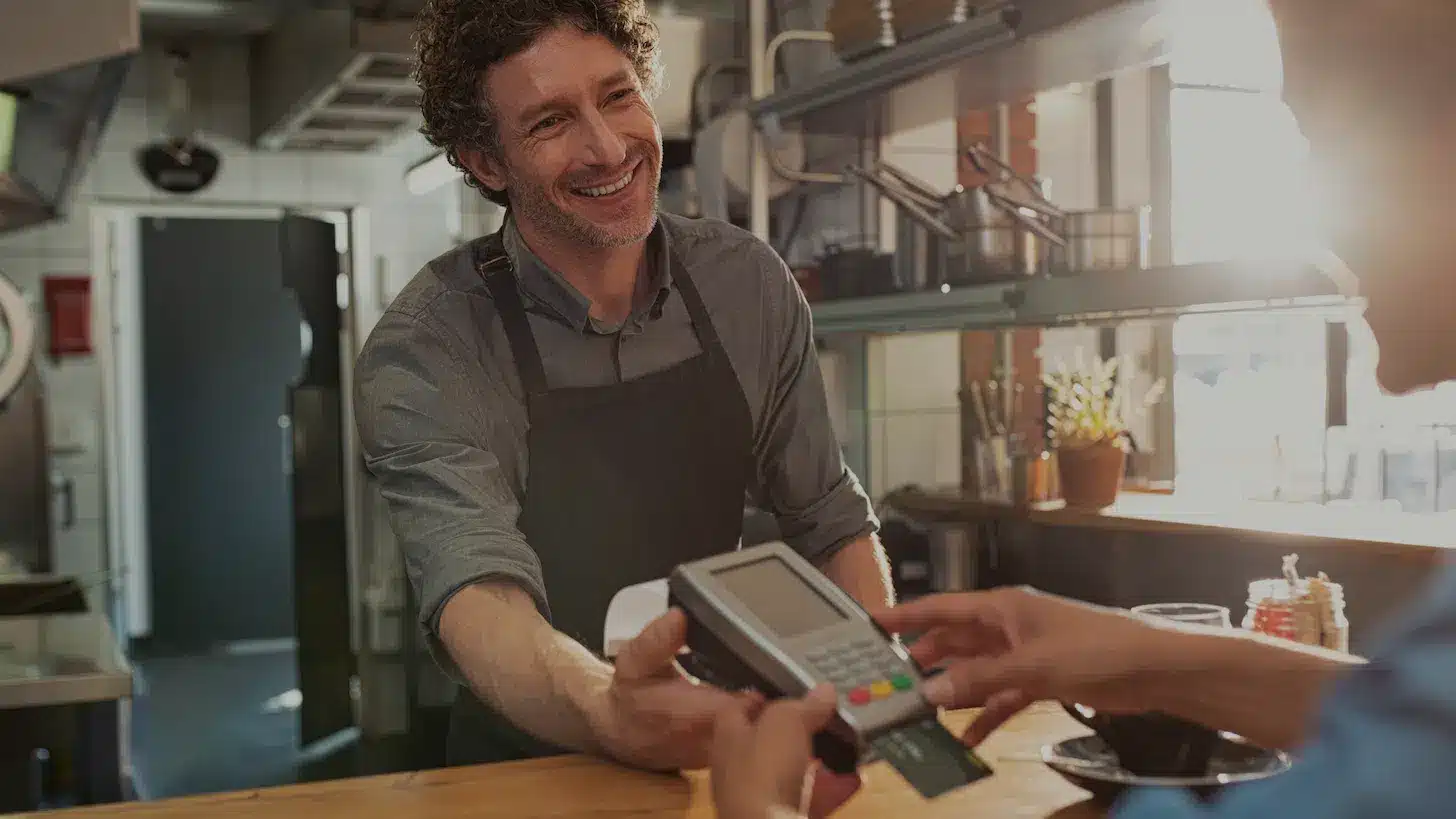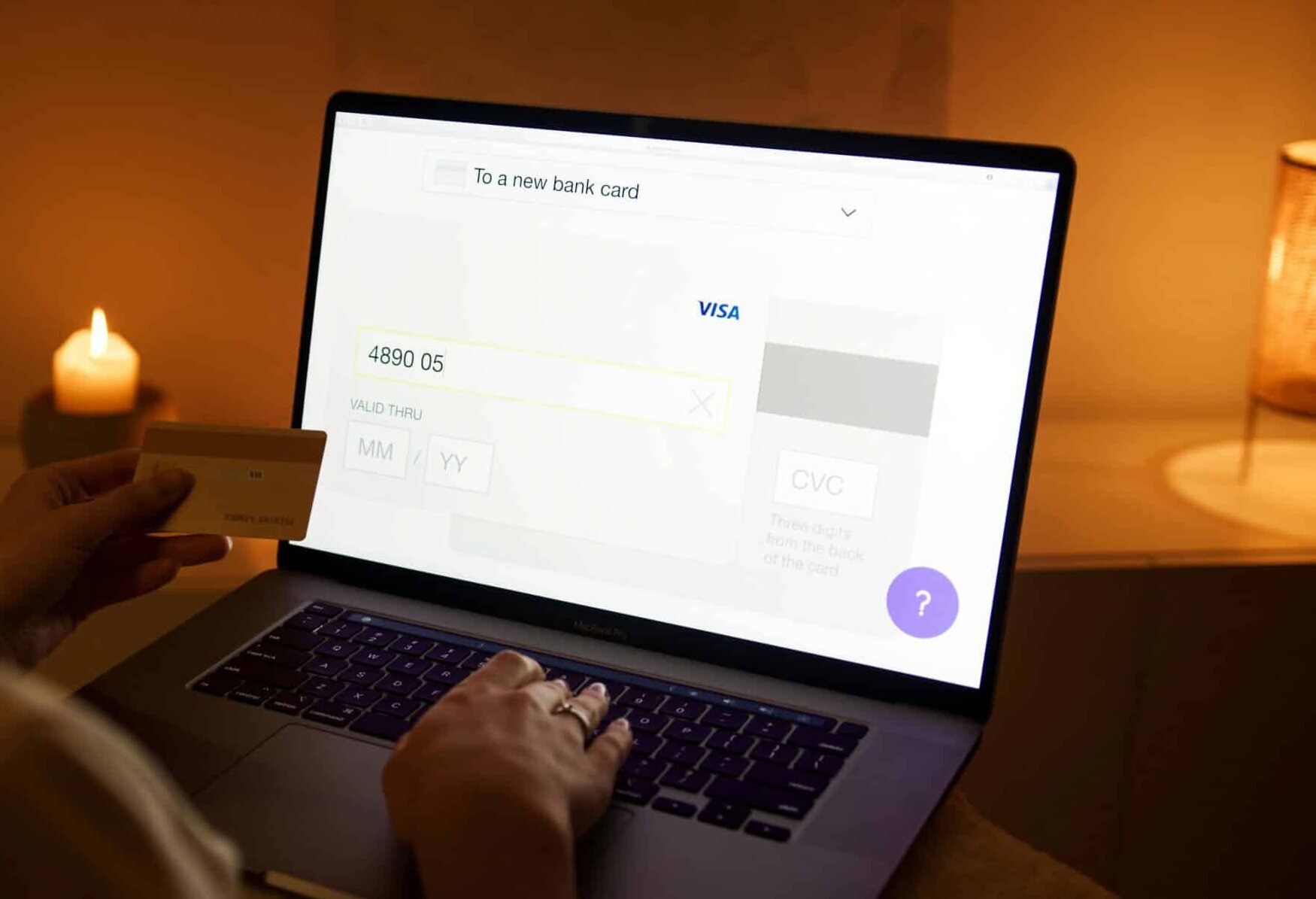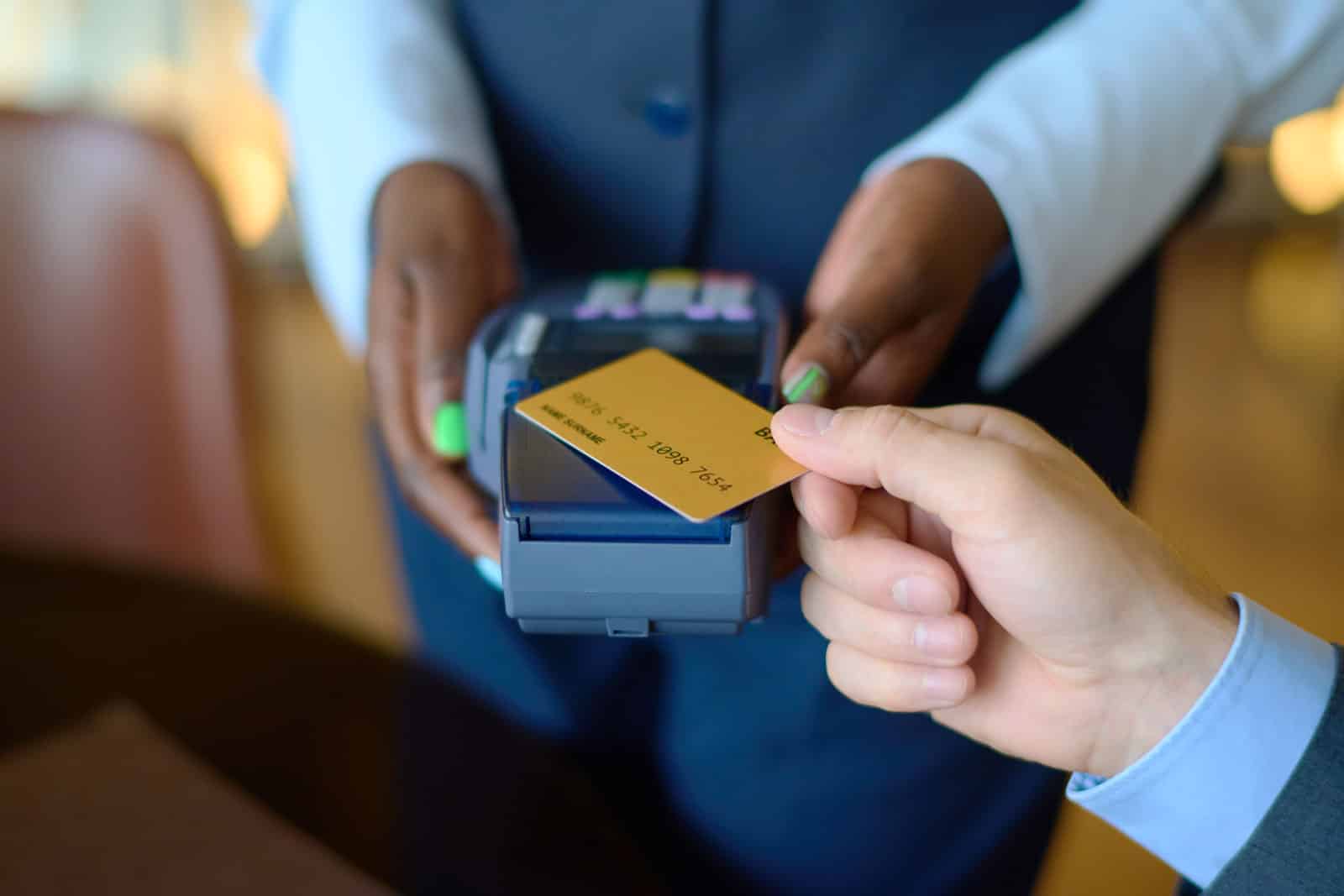



A high-risk merchant needs more from their POS than a traditional retailer. While most merchants handle card payments in person, high-risk merchants must deal with stricter underwriting, higher fraud risk, and closer scrutiny.
Braintree, for instance, states that merchant account providers are liable for merchant losses. As such, they are likely to apply greater scrutiny to merchants with higher risk in their business models or billing methods.
A POS payment solution for high-risk merchants should be part of the overall risk management strategy. The best solutions for 2026 will have to offer hardware that fits the business, focus on reducing the risks of data exposure, and include features that help the merchant stay under support after receiving approval for their merchant account. Payment Nerds’ own guidance on POS for high-risk merchants focuses on fraud, routing, tokenization, and compliance rather than the basics of completing payments.
Why High-Risk Merchants Need Specialized POS Payment Processing
The approval standards for payment processing companies have become tighter in recent years due to the higher costs associated with poor performance in their merchant portfolios. Visa has published a fact sheet regarding its VAMP program, indicating that the threshold for excessive merchants in the U.S., Canada, the EU, and the AP regions will be reduced to 150 basis points on April 1, 2026. This significantly increases the pressure on merchants and payment processing companies to exhibit good fraud and dispute management within their operations.
While any point-of-sale (POS) system can accept a customer’s payment, it does not necessarily indicate that it is the best system for a merchant that processes higher-risk sales. Such merchants will require additional features and functionality in their POS payment systems, such as enhanced fraud controls, better audit trails, or the ability to use an alternate payment processor in the case of issues with the primary vendor. Payment Nerds’ guidance on POS systems for high-risk merchants is built with these concerns in mind.
Who Needs a High-Risk POS Payment Solution?
High-risk POS solutions are most useful for merchants that accept in-person and in-house payments, but are in more scrutinized categories with payment processors. Braintree, for instance, considers certain business models to be higher risk than others, such as auctions, lodging, events, gaming, and telemarketing. Additionally, annual billing, retainers, and aggregation of payments from third parties can be more challenging for processors to manage than standard sales.
Therefore, merchants with in-person sales, service counters, events, in-house sales, and in-house POS environments will benefit from a POS that better manages in-person sales. Additionally, merchants that care more about issues such as fraud, payment disputes, fulfillment, and account management will find more value in a POS solution that can handle in-person sales and provide the tools to manage them effectively.
POS Payment Options Compared
| Option | Best For | Main Strength | Main Tradeoff |
|---|---|---|---|
| Countertop POS | Fixed checkout environments | Stable hardware and easier peripheral support | Less flexibility away from the counter |
| Mobile POS with reader | Events, field sales, line-busting | More flexible in-person acceptance | Can be less ideal for heavier front-counter workflows |
| Tap-to-Phone / MPoC setup | Merchants that want fewer devices | Accepts contactless payments on supported mobile hardware | Depends on approved solutions and device compatibility |
| Multi-gateway POS setup | Merchants worried about processor interruption | Better routing resilience and account continuity | More implementation complexity |
The important point is that high-risk merchants should compare POS by risk fit, not only by hardware style. PCI SSC’s P2PE and MPoC programs both exist because the way payment data is captured and protected matters to merchants and acquirers, and Payment Nerds’ high-risk POS content adds routing and monitoring as equally important practical concerns.
What Makes Approval Harder for High-Risk Merchants?
The difficulty of acquiring a card is not just that some categories are high risk. It is also because the providers are looking more closely at whether the merchant can support its model post-approval. Braintree, for example, requires higher-risk merchants to demonstrate financial strength and the ability to support their business model. At the same time, the higher threshold for merchants with weak fraud controls in Visa’s 2026 VAMP program means there is less leeway for these merchants.
A weak POS setup can make it worse for these merchants. If the merchant cannot provide a clear explanation of how their transactions will be secured, what will happen if their POS company pauses their transactions, or how they will handle any disputes, the payment provider will consider their business inherently fragile. This is why the approval process for POS companies goes beyond the form that the merchant must fill out.
How Long Does Approval Take?
There’s no set timeline for approval with high-risk POS vendors. The vendor will look at your business model and documents to determine whether you are approved for the POS software. The underwriting overview on the Braintree website states that they ask for as much information as possible from the merchant when they first sign up for the POS software to ensure that their merchant is not a later interruption to the POS processing. If you have all your information together, you will most likely be approved faster than someone who did not fill out their application properly.
Documents Required for Approval
For most merchants, the typical documentation that providers ask for includes business and ownership documents: the formation documents for the business, tax information for the business and its owners, bank account information and statements for the business, and, if the business accepts payments from customers, any statements from that payment processing system. For merchants in higher-risk categories, providers may also ask for additional information about the products sold by the merchant, how those products are billed to customers, and the procedures used to control risk from those sales.
For merchants with high-risk Point of Sale systems, providers may also ask for information on the POS system’s workflow, whether it accepts mobile payments, how it protects customer payment data, and whether it uses validated, supported POS system hardware and security models. Both the Payment Card Industry Data Security Standard’s (PCI SSC) Payment Application Data Security Standard (PA-DSS) and the PCI SSC’s Payment Application Interface Standard (PAIS) are standards that can assist these merchants and payment processors in selecting a POS system that offers higher levels of security in protecting customer payment data.
Quick Approval Checklist
Before applying for a high-risk merchant, one should be able to say yes to most of the following:
- Business Model
- Owner and Banking Documents
- POS Process
- Fraud and Dispute Process
- Hardware and Software
- Stored Credentials
- Reporting and Backup
- Payment Provider
While this does not guarantee approval for any high-risk merchant, it does prevent most of the issues that could make a high-risk merchant seem unprepared to payment providers. This is especially important for high-risk merchants, given the increased monitoring they face in 2026.
Cost of POS Payment Processing for High-Risk Merchants
There is no fixed pricing for POS payment processing in high-risk industries. Beyond the transaction rate typically associated with such merchants, there are other potential costs for the merchant – for hardware, software, and even fraud and monitoring system fees. While the initial cost of a payment processor for a high-risk merchant may seem low, it may become costly for the merchant over time.
Consider what a POS payment system removes for the merchant – does it reduce the amount of data the merchant must expose to the payment processor? Does it reduce the risk of fraud associated with the merchant? Does it provide the merchant with a better system for routing and reporting sales? These factors may indicate that the system costs less upfront but provides more value overall than one that costs more but offers the same benefits.
Common POS Payment Processing Mistakes High-Risk Merchants Make
The most common mistake is choosing a POS as a low-risk retailer would. High-risk merchants often prioritize convenience over the needs of a high-risk business. Payment Nerds’ guidance on high-risk POS can help merchants understand these issues.
Another common mistake is ignoring the scope of security. Should card data pass through this merchant’s environment at all? Considering PCI SSC recommendations for P2PE and MPoC can help merchants in high-risk industries determine the best methods to handle their data.
What Should High-Risk Merchants Look for in a POS Payment Solution in 2026?
Countertop And Mobile Hardware Options
There are a variety of hardware solutions for POS payments that allow merchants to manage different aspects of their business locations. The POS page on the Payment Nerds website describes a variety of hardware options, from fixed POS systems for counters to mobile solutions that allow merchants to receive payments with mobile devices. Additionally, the Merchant Pay at Point of Sale (MPoC) program by the PCI Security Council focuses on allowing mobile payments at point-of-sale devices that are readily available off the shelf for merchants.
P2PE, Tokenization, And PCI Scope Reduction
Security features for merchants are important when the merchant is in a high-risk category. The PCI Security Council suggests that merchants, acquiring banks and POS solution providers use the PCI listings for solutions that offer P2PE solutions for their businesses. Additionally, their merchant resources section suggest that high-risk merchants build up a solid foundation of security for their payment data. By reducing the number of locations where payment data is stored, high-risk merchants can potentially reduce the risk of those issues and make their accounts appear as more supportable to the acquiring bank.
Multi-Gateway And Routing Flexibility
If one payment gateway fails, the merchant will not want to lose sales because of it. Merchants should seek out a POS that has multi-gateway support. Routing flexibility, according to the site, would allow the merchant to not be dependent upon one path for their in-person sales only. This is a benefit of high-risk POS systems compared to low-risk merchants’ systems.
Chargeback, Fraud, And Monitoring Tools
High-risk merchants should seek out a POS that can highlight any issues with transactions before they become a problem for the merchant or the acquiring bank. POS systems that are geared towards high-risk merchants include fraud detection tools, dispute software and real time monitoring of those transactions. These features are additionally important due to the changes to the Visa Acceptance Program (VAMP) in 2026. Any POS system that does not have these features may not be enough for high-risk merchants.
Stored Credentials And Recurring Billing Support
Some high-risk merchants may require stored credentials in their POS systems. Additionally, high-risk merchants that use recurring billing may need to use a POS that includes that feature. According to Braintree, billing methods like annual billing and retainers pose a risk for acquiring banks. Thus, high-risk merchants that use these models must have POS systems and accounts created in a way that support these models for the business.
Reporting, Audit Trails, And Backup Controls
High-risk merchants may need to provide logs and reports that are more detailed than other merchants. Additionally, acquiring banks may review these sales reports for high-risk merchants to determine if the merchant is presenting a risk for those sales. High-risk merchants that seek out quality POS systems will find features like compliant reporting, backup data and real time alerts. In the case of audits of these sales, these reports will allow the merchants to provide appropriate documentation of how they are managing their sales and how their business is running.
FAQs
Q: What is a POS payment solution for a high-risk merchant?
A: A pos payment solution for a high-risk merchant is specifically designed for in-person and in-house transactions that require enhanced security and features that are more robust than those required of a standard POS solution for a retail merchant with a low-risk reputation.
Q: Why are some POS payment processors better for high-risk merchants?
A: Some pos payment processors are better for merchants in high-risk categories due to the enhanced security features and transaction routing capabilities that those processors offer to those merchants.
Q: Does a high-risk merchant need a different POS than a normal retail merchant?
A: In most cases, yes. The POS software used by a high-risk merchant will have features that are more robust and secure than those in the average POS software used by a retail merchant.
Q: Can a mobile POS work for high-risk merchants?
A: Yes, as long as the mobile POS is within an appropriate security model. The PCI Security Standards Council created the MPoC program to assist merchants and acquirers in selecting PCI-listed mobile POS systems.
Q: What documents should a high-risk merchant provide for POS approval?
A: High-risk merchants will be required to provide the same documents as a standard merchant, in addition to documentation regarding their products, their billing procedures, and the security of their POS software.
Q: How can a high-risk merchant increase the chances of POS approval?
A: Using a secure POS and POS hardware that is supported by the processor and providing a clear model of their POS procedures will lead to the best results in gaining approval for a high-risk merchant.
Conclusion
The best payment processing setup for a merchant in a high-risk category will prioritize protecting the account over processing payments. In 2026, that means a solution with great hardware fit and support, strong security features, solid reporting tools, and flexibility in managing transactions.
If you’re having trouble with your current system, the Payment Nerds can help you compare the available options for point-of-sale and merchant account solutions. When you find the right one for your business now, it’s likely to remain the best solution as your business grows.
Sources
- Braintree. “Underwriting Overview.” Accessed April 2026.
- Visa. “Visa Acquirer Monitoring Program Fact Sheet.” Accessed April 2026.
- PCI Security Standards Council. “Point-to-Point Encryption (P2PE).” Accessed April 2026.
- PCI Security Standards Council. “Mobile Payments on COTS (MPoC).” Accessed April 2026.
- Payment Nerds. “Beyond the Basics: What High-Risk Merchants Need in a POS System.” Accessed April 2026.
- Payment Nerds. “POS Payment Gateway.” Accessed April 2026.